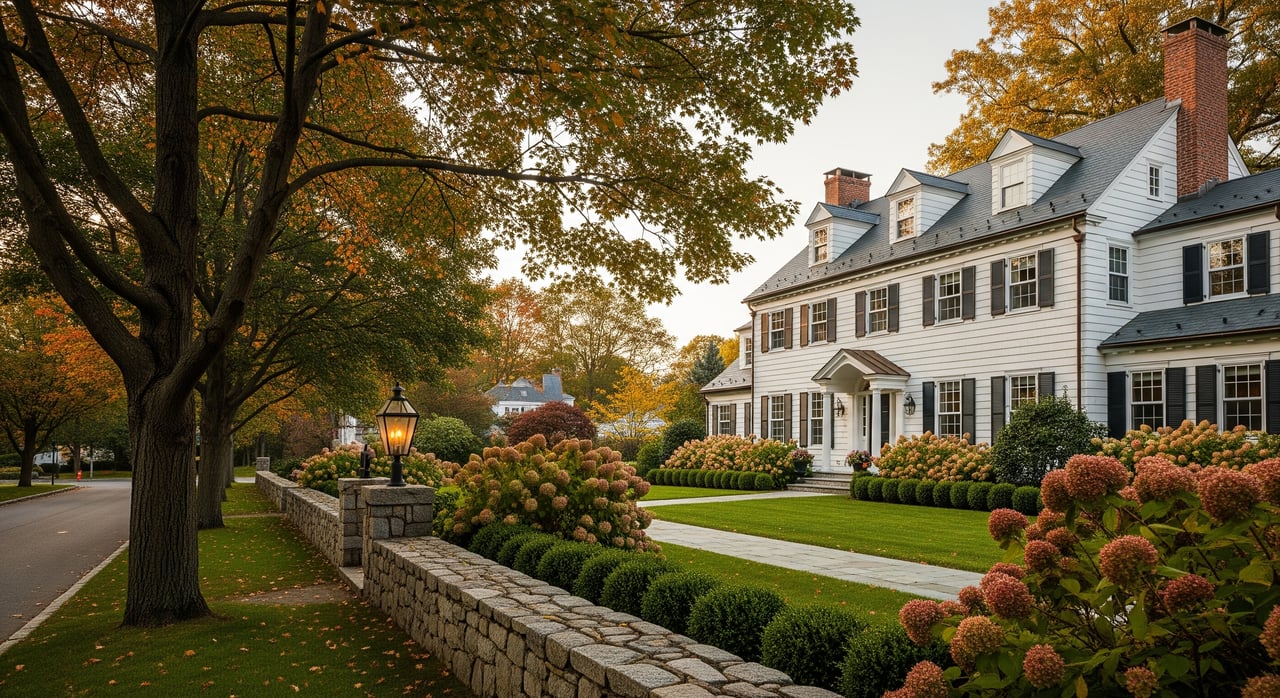
If you are drawn to classic New England charm, space to breathe, and an easy hop to Greater Boston, Westford should be on your shortlist. You might be comparing village-style living to quieter, larger-lot neighborhoods and wondering how commute, schools, and daily life stack up. In this guide, you will learn how Westford’s village areas differ, what to expect for housing styles and lot sizes, and practical tips for commuting and due diligence. Let’s dive in.
How Westford fits in Greater Boston
Westford sits in north-central Middlesex County within the Cambridge–Newton–Framingham metro area. The town blends a historic village center with suburban and semi-rural neighborhoods, so you can choose walkable charm or more privacy and acreage. Zoning is primarily residential with village and mixed-use areas guiding density and character.
Buyers often come for strong public schools, relative value compared to inner suburbs, and a range of housing types from historic homes to newer construction. Prices and inventory shift quickly, so plan to verify current figures with local MLS data and town resources during your search.
Neighborhoods at a glance
Westford’s neighborhood names reflect historic villages, not separate municipalities. Boundaries are informal and can overlap, so always confirm parcel details with local assessor maps.
Westford Center
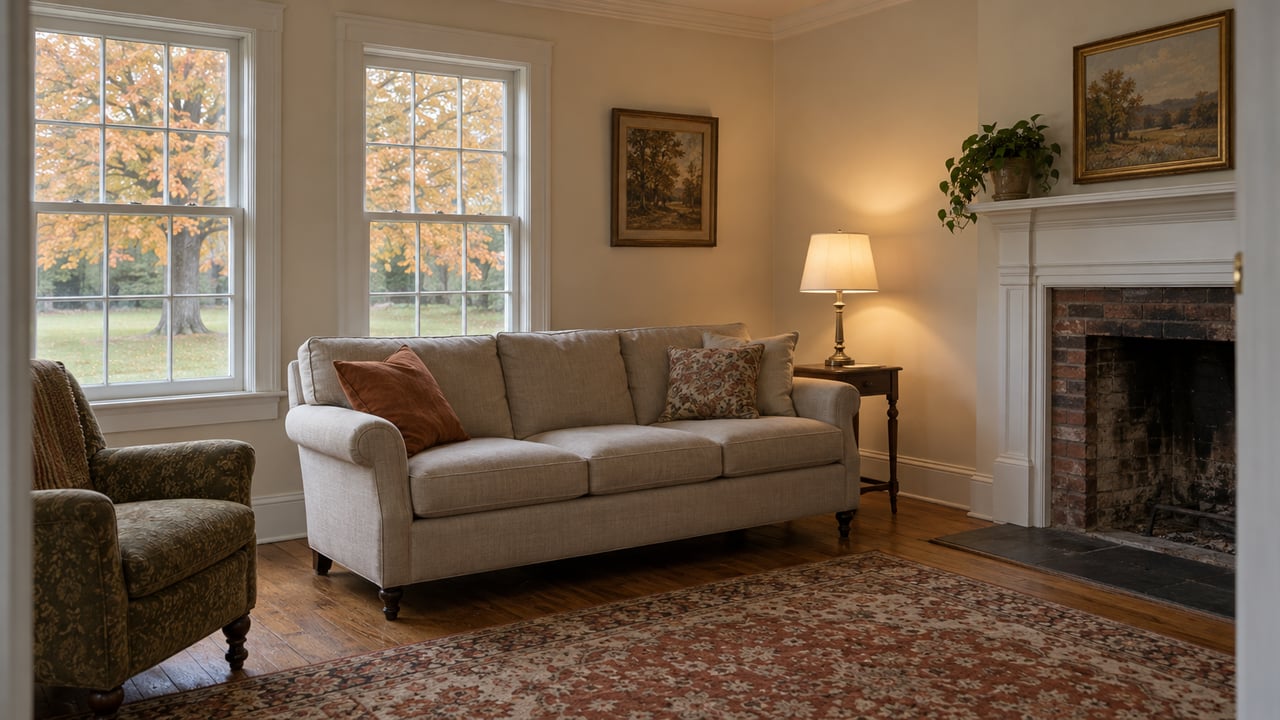
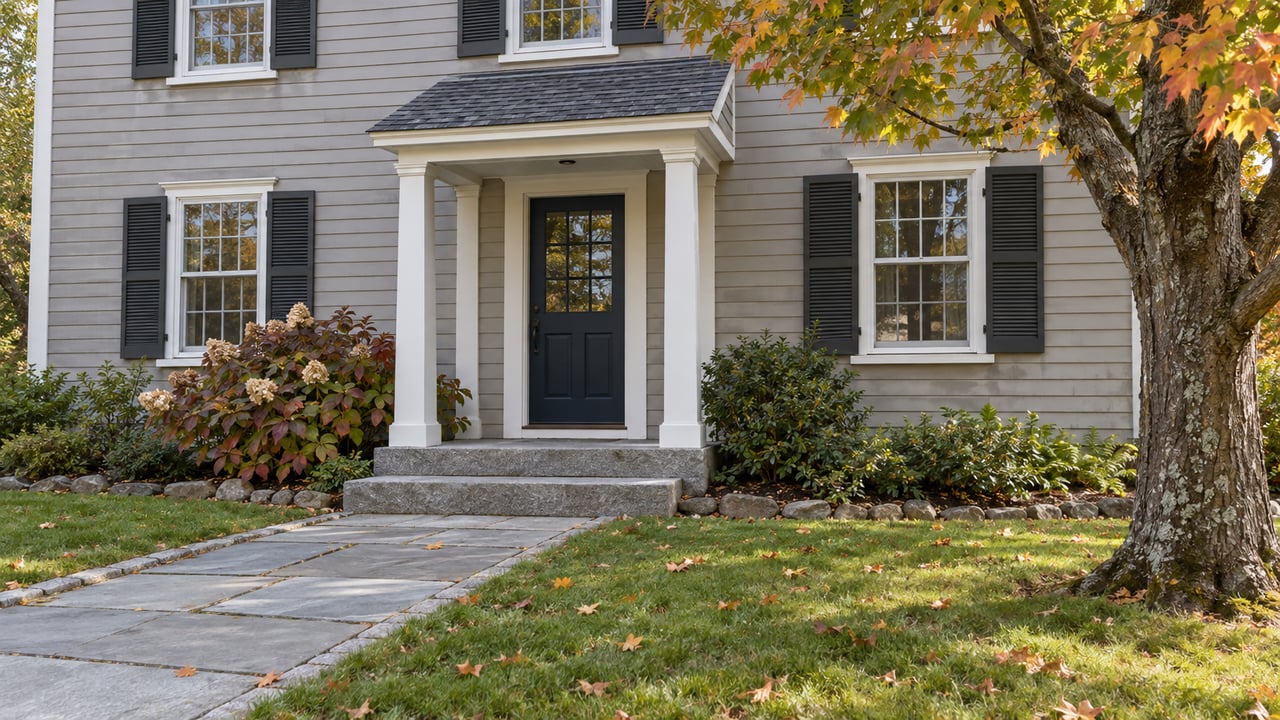
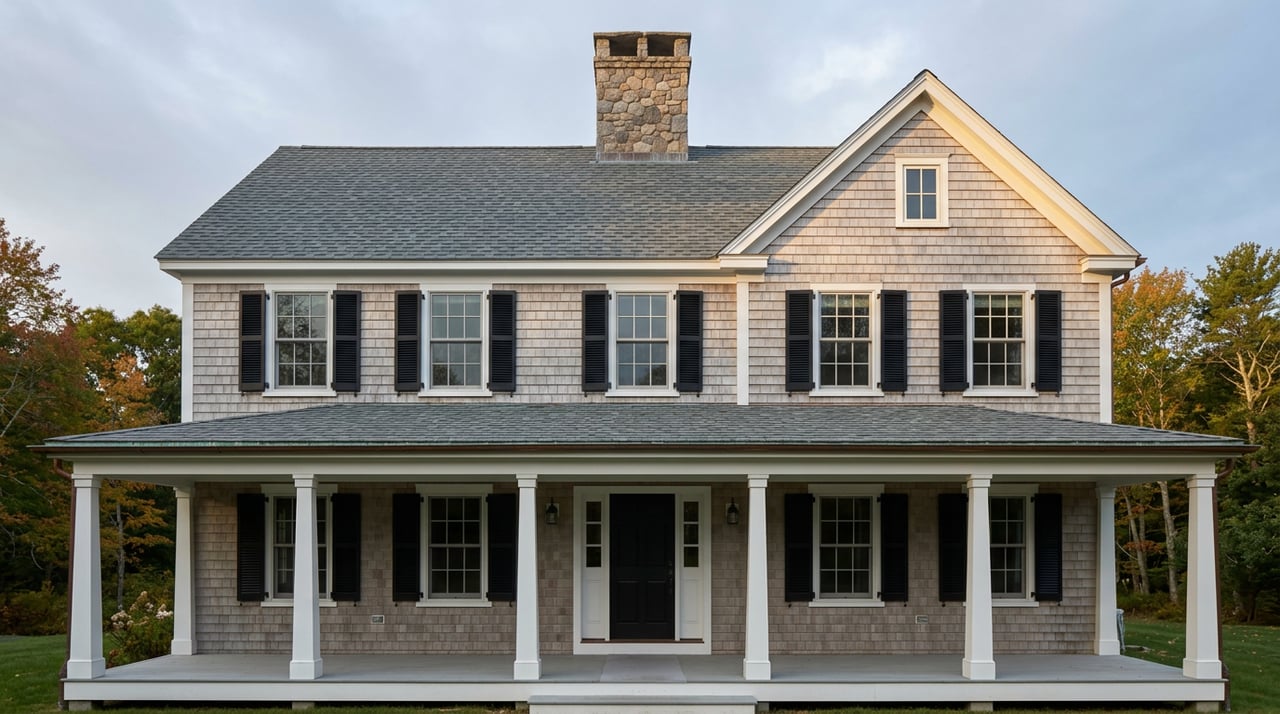
The town’s historic heart wraps around the common, library, and municipal buildings. You will find older Colonial, Federal, and Greek Revival homes mixed with some infill condos and smaller single-family lots. It suits you if you value walkability, community events, and period details.
- Good fit if you value: village atmosphere, quick access to schools and local shops.
- Housing snapshot: older homes with character, smaller lots, some historic guidelines for exterior changes.
- Keep in mind: prices vary widely by condition and historic significance. Verify current ranges on the MLS.
Nabnasset
This area leans suburban to semi-rural, with neighborhood ponds and conservation land in spots. Housing includes larger ranches, colonials, and newer builds, often on bigger lots with more privacy. It is popular with buyers who want outdoor space and quieter streets.
- Good fit if you value: larger lots, privacy, access to trails and water.
- Housing snapshot: a mix of mid-century and newer homes, some properties with private wells or septic.
- Keep in mind: lot size and setting drive value, especially near conservation or water.
Forge Village
A former mill village, Forge Village offers a compact, neighborhood feel near historic mill sites and waterways. You will see older mill-era homes and modest single-family houses, often on smaller lots. Many buyers consider this area for relative value within Westford and convenient access to regional roads.
- Good fit if you value: village provenance, smaller-lot living, budget-friendly options compared to other areas.
- Housing snapshot: older homes, ranches, and traditional streets.
- Keep in mind: condition and updates vary. Check recent sales to calibrate expectations.
Graniteville
Graniteville spans southern and southeastern pockets near neighboring towns. The vibe is practical and residential, with mid-century ranches and splits, colonials on medium lots, and newer subdivisions in some sections. Proximity to regional roads makes it a convenient base for daily errands and commuting.
- Good fit if you value: balanced lot sizes, access to nearby services, and a traditional suburban feel.
- Housing snapshot: a wide range of ages and styles, plus some newer developments.
- Keep in mind: pricing often sits midrange for town, but verify by street and subdivision.
East and North Westford
The rural edges deliver countryside character with stone walls, larger parcels, and a quieter pace. You will find large-lot single-family homes, custom builds, and occasional equestrian properties. Many buyers choose these areas to maximize acreage while staying in town for schools and services.
- Good fit if you value: privacy, acreage, and scenic surroundings.
- Housing snapshot: land value and lot size weigh heavily in pricing.
- Keep in mind: confirm utilities. Rural sections may rely on private wells and septic systems.
Commute and transit
Road access
From Westford, you can reach I-495 for regional travel, connect to Route 2 toward Cambridge and Boston from the west, and head to I-95/Route 128 further east. Your exact route will depend on where you live in town, since local roads feed different highway access points. Expect travel times to vary with weather and peak-hour traffic.
Commuter rail options
Westford does not have an in-town MBTA station. Many residents drive to nearby Fitchburg Line stations in neighboring towns. Schedules, parking, and shuttle options change, so plan to confirm current service when you test your commute.
What to expect for timing
Drive time to downtown Boston can be approximately 30 to 50 minutes in light traffic, with peak hours adding more. Door-to-door rail times depend on your chosen station, parking, and the timetable. If your routine hinges on punctual arrivals, try a few live tests during your typical rush hours.
Schools and everyday amenities
Westford Public Schools, including Westford Academy, are a major draw for many families. For accurate, current performance data and school boundary questions, contact the district directly and review state report cards. School assignment can vary by neighborhood and is subject to change.
Daily needs are met by local shops in the center and small commercial clusters, while larger retail and services are often found in neighboring towns. Recreation is a strong suit, with conservation land, trails, town programs, and seasonal attractions like Kimball Farm and nearby Nashoba Valley recreational areas. Healthcare needs are served by a mix of in-town providers and regional hospitals and clinics.
What to compare with nearby towns
When you weigh Westford against Acton, Littleton, Chelmsford, Carlisle, or Boxborough, focus on the factors that matter most to you.
- Schools and programs. Review district resources and state report cards for up-to-date information.
- Lot size norms. Westford typically offers larger lots than inner suburbs, with rural edges offering acreage.
- Village versus rural feel. Westford Center offers walkability and historic character, while outlying areas feel more country.
- Housing mix. Consider the balance of historic homes, mid-century stock, condos, and newer custom builds.
- Commute pattern. Test your drive and rail options from the neighborhoods you are considering.
- Property taxes and services. Confirm current tax rates and municipal services directly with the town.
Buyer due diligence checklist
Use this quick checklist as you narrow your shortlist. Verify each item with the town, the district, and your buyer’s agent during contingency periods.
- Neighborhood boundaries and parcel details using assessor maps.
- Recent comparable sales and inventory trends from the MLS.
- School assignment, program availability, and transportation with the district.
- Current property tax rate and estimated bill based on assessed value or comps.
- Utilities. Confirm municipal water and sewer versus private well and septic. Review septic and well test history.
- Historic district considerations for exterior changes near the town center.
- Zoning and any overlay districts that may affect additions or accessory structures.
- Conservation restrictions, wetlands, and FEMA flood maps for building or insurance questions.
- HOA or condo documents, reserves, and special assessment history for attached homes.
- Resale considerations by neighborhood, including typical buyer profiles and expectations.
Choosing your fit
If you want a small-town village feel, Westford Center puts you close to the green, schools, and community life. If you prefer privacy and space for gardens, workshops, or trails, the rural edges might feel just right. For a balanced suburban setting with convenient access to regional roads, Graniteville and Nabnasset are worth a deeper look, while Forge Village can offer attractive value near historic surroundings.
You do not have to map this out alone. If you want a calm, well-informed search with neighborhood-by-neighborhood guidance, reach out to KC and The Wins Team for local insight and a plan tailored to your goals.
Notes on data and boundaries
Neighborhood boundaries are informal and often overlap. Pricing, inventory, tax rates, and school assignments change. For the most current figures and parcel-level accuracy, consult the Town of Westford offices, Westford Public Schools, MLS data, and relevant state and regional agencies.
FAQs
What are the main differences between Westford’s village areas and rural edges?
- Village areas like Westford Center offer walkability and historic homes on smaller lots, while rural edges provide larger parcels, more privacy, and a country feel.
Does Westford have an in-town commuter rail station?
- No. Most residents drive to nearby Fitchburg Line stations in neighboring towns and should confirm current schedules and parking before commuting.
How do I check which Westford school my child would attend?
- Contact Westford Public Schools for current boundaries and policies, and review state report cards for the latest performance information.
Are most Westford homes on town water and sewer?
- It depends on the neighborhood. Denser villages are more likely to have municipal services, while rural areas often rely on private wells and septic systems.
How should I compare Westford to Acton, Littleton, or Carlisle?
- Focus on lot sizes, commute patterns, housing mix, school programs, property taxes, and neighborhood feel, then verify current market data with the MLS and town sources.