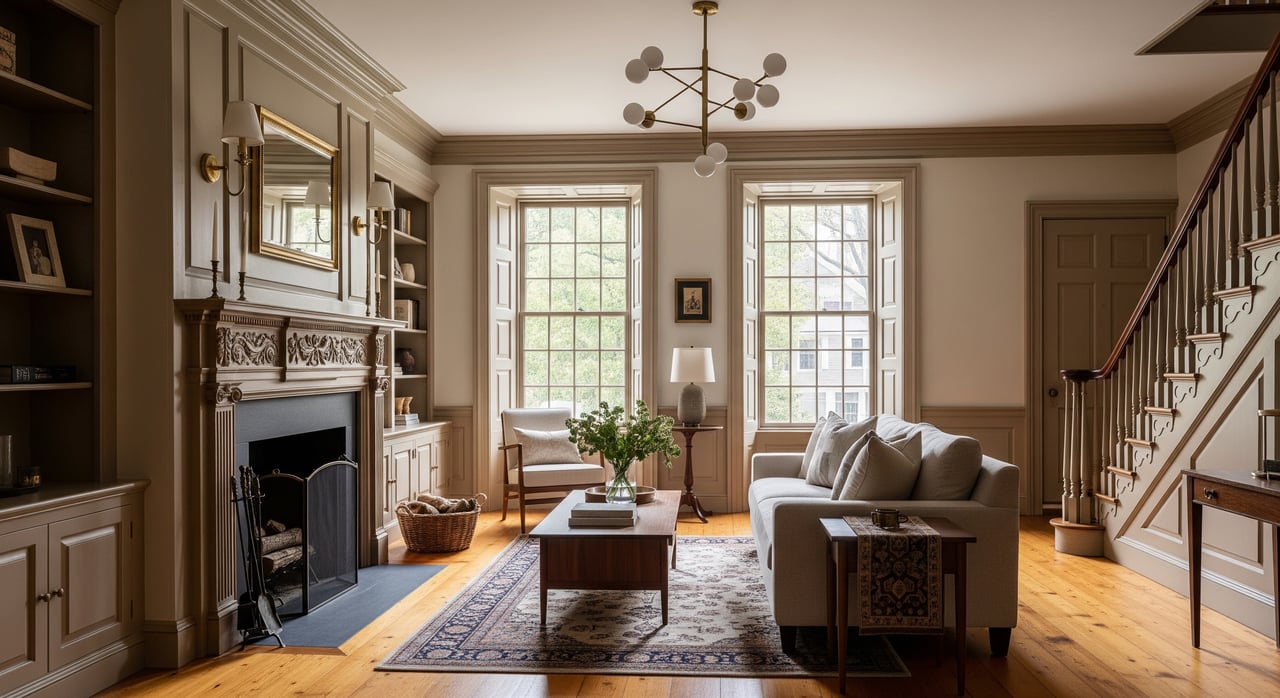
Is it possible to stage a centuries-old Concord home so it feels fresh to today’s buyers without losing its soul? If you are preparing a sale, you want to honor original features and still check the boxes modern buyers expect. In this guide, you will learn how to showcase period details, make each room feel usable, and avoid costly missteps that can slow a sale. Let’s dive in.
Why staging matters in Concord
Concord is rich with Colonial, Federal, Greek Revival, and Victorian architecture. Many homes include original floors, plaster walls, built-ins, and fireplaces that buyers come to see. Regional buyers want a blend of authenticity and comfort, including updated kitchens and baths, efficient systems, bright rooms, and flexible spaces. Smart staging helps you present that balance clearly and confidently.
Preserve what buyers love
Your home’s historic fabric is a selling feature. Showcase original mantels, moldings, windows, wide-plank floors, and built-ins rather than covering or removing them. Use light, neutral wall colors so details pop and rooms feel open. Choose period-appropriate accents and updated lighting that complements the architecture.
If your property is in a local historic district, exterior changes may require review. Before repainting, replacing windows, or altering porches, check the Town of Concord’s Historic Districts Commission resources. Keeping work sympathetic to the original character protects value and supports a smoother sale.
Make rooms work today
Buyers want to see how daily life fits. Arrange furniture for easy flow, clear sight lines, and conversation. Right-size pieces to suit room scale and ceiling height. Keep the palette cohesive so the home reads as one story.
Entry and curb appeal
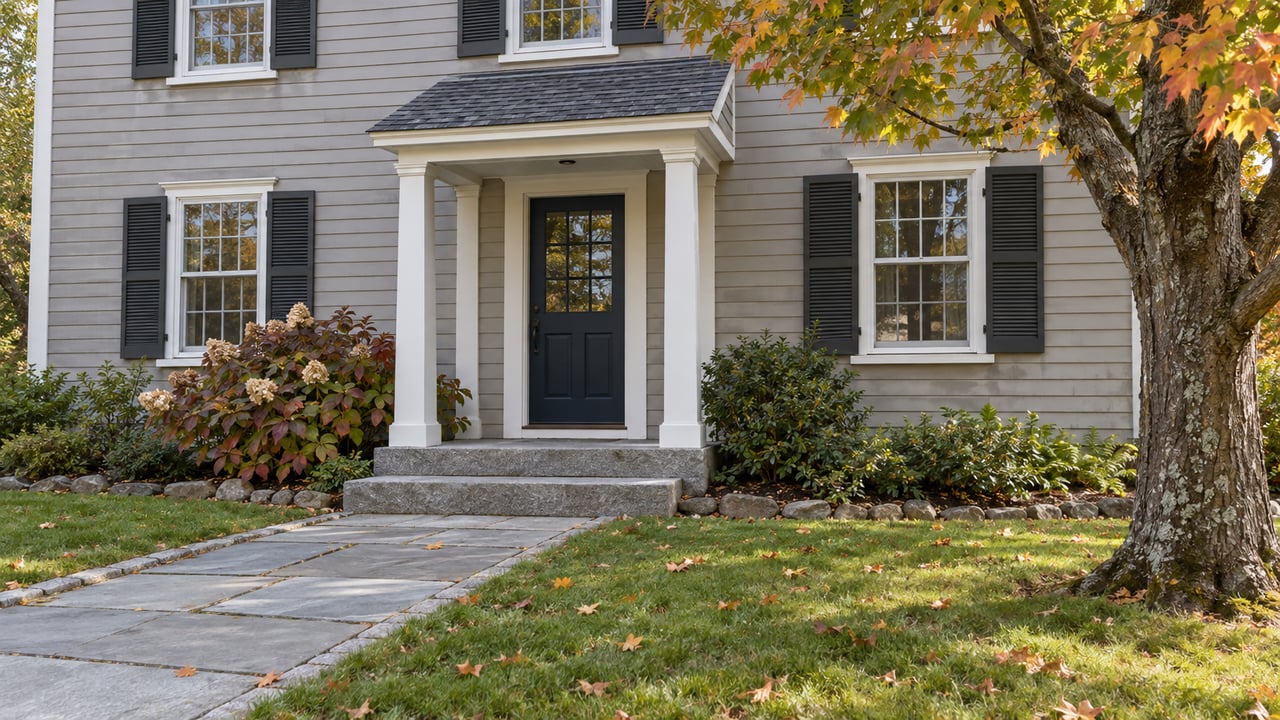
First impressions form in seconds. Refresh the front door with a clean, period-friendly color, polish or replace worn hardware, and add simple seasonal planters. Repair and light steps and railings so access feels safe and welcoming. Keep the path clear and the doormat new.
Living room or parlor
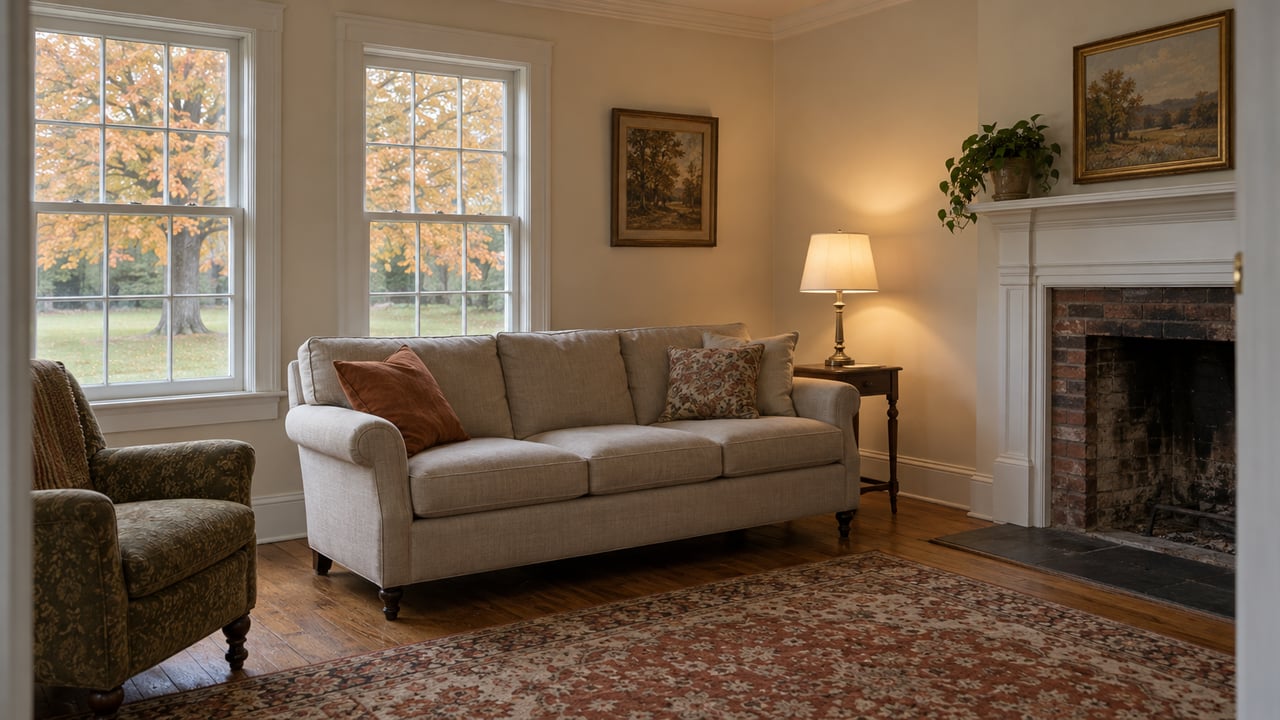
Center the room on a focal point such as a fireplace or view. Use area rugs to define seating while showing off original wood floors. Swap heavy drapery for light-filtering panels that reveal trim and maximize natural light. Edit art and décor so moldings and mantels remain the stars.
Dining room
Demonstrate scale without crowding. A proportionate table with a modest setting shows how many can dine comfortably. Update or clean the chandelier so it feels current yet compatible with the period. Tidy built-ins and display a few streamlined pieces.
Kitchen updates that sell
Kitchens drive decisions. Keep changes simple and reversible when possible. Replace dated hardware, refresh or paint cabinets in a neutral tone, add a modern faucet, and improve lighting. Clear counters to a few useful items so the workspace shines. If the layout is compact, stage pull-outs and a neat pantry to emphasize efficiency rather than tearing out historic elements.
Bathrooms that feel fresh
Aim for bright and spotless. Re-grout or re-caulk, install updated lighting and mirrors, and use new towels and minimal décor. If older tile or fixtures are intact, showcase cleanliness and function rather than replacing. Buyers want move-in clarity more than trendy finishes.
Bedrooms and closets
Create calm with layered, light bedding and a restrained color scheme. Remove excess furniture to highlight usable floor space. Keep window seats and armoires clear so storage reads clearly. Organized closets signal capacity and care.
Flexible office spaces
Many buyers look for a home office. Stage one room with a simple desk, task light, and shelving. Hide cords and keep surfaces clean. This small choice can help buyers picture daily routines.
Basements, attics, systems
Light and clean storage areas build confidence. Remove debris, label mechanicals clearly, and provide documentation for upgrades like insulation or a new boiler. If a space is semi-finished, stage it lightly to suggest potential uses without overselling.
Floors, windows, and details
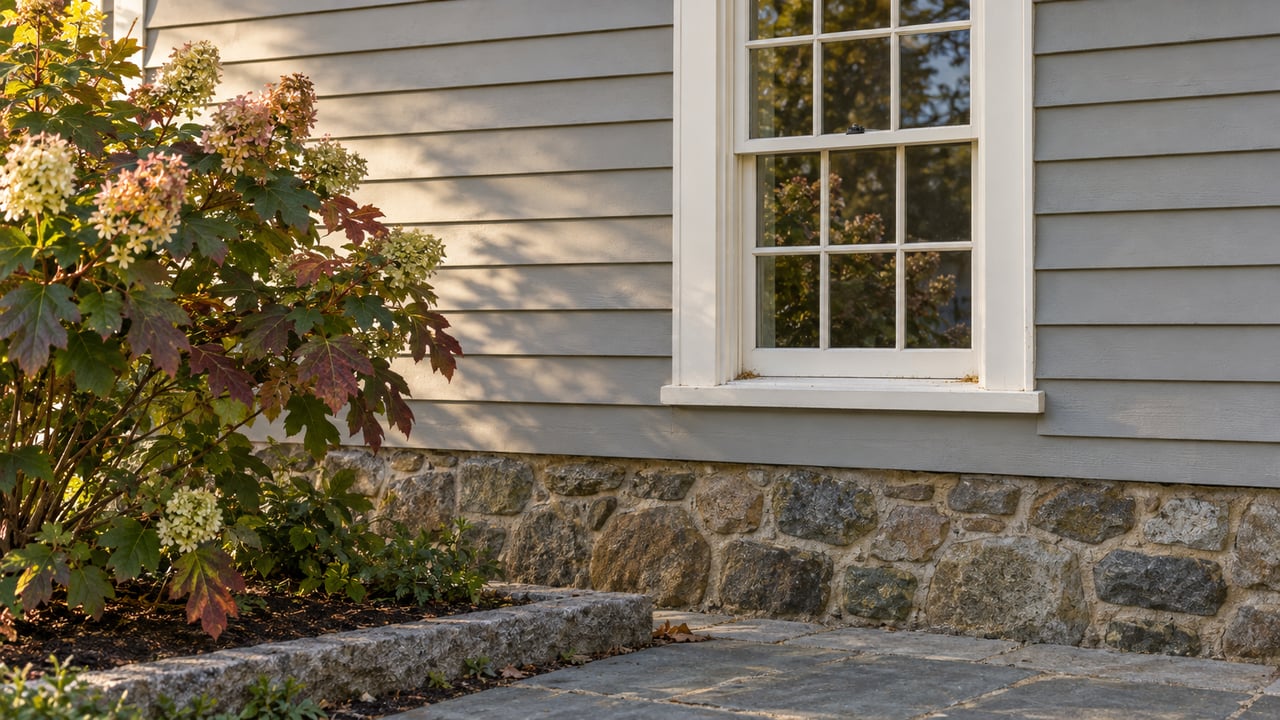
Treat original wood floors, plaster, and windows as assets. If floors show wear in a few areas, consider targeted refinishing rather than full replacement. Refresh glazing putty and sash cords where feasible. Interior storm windows can improve comfort while preserving original sash. For technical guidance, review the National Park Service’s Preservation Briefs.
Mistakes to avoid
- Over-modernizing and erasing period character. Removing mantels, trim, or windows can hurt value and trigger preservation scrutiny.
- Overfurnishing or using oversized pieces. Small historic rooms feel cramped fast.
- Covering original floors entirely. Let the wood show and use area rugs thoughtfully.
- Hiding issues instead of documenting them. Transparency builds trust during inspections.
- Misleading virtual staging. Disclose it clearly and match it with accurate photos and measured floor plans.
- Exterior quick fixes that violate local rules. In designated districts, confirm what is allowed before you paint or replace.
Pro staging and media ROI
When presentation answers buyer questions, homes sell faster and with stronger offers. In historic properties, staging often delivers the most return when it clarifies livability in compact or compartmentalized rooms. The goal is to show how old and new can work in harmony.
When to hire a stager
Consider a professional if the floor plan is unusual, the home is vacant, or your furniture scale does not fit the rooms. A stager experienced with historic homes knows how to spotlight original details while creating a current feel with reversible choices like lighting, rugs, and window treatments. Industry groups like the Real Estate Staging Association and the International Association of Home Staging Professionals publish best practices that favor clean, accurate presentation.
Photography and tours
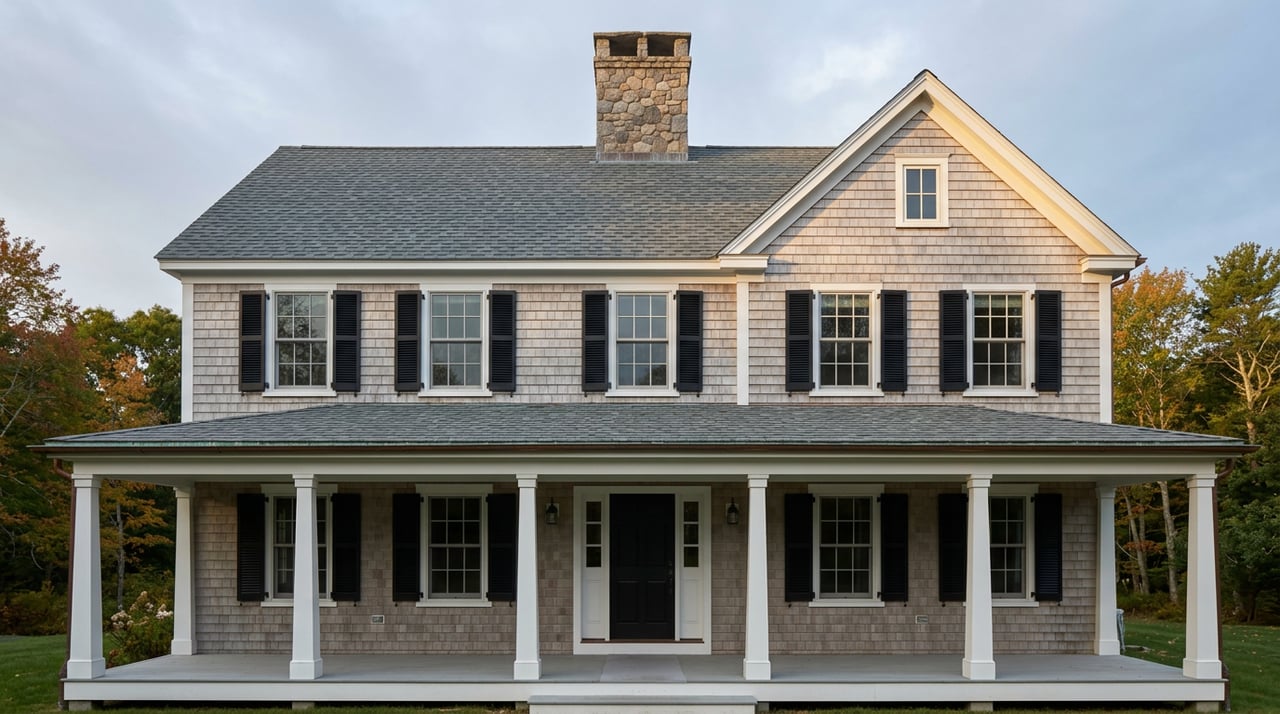
Hire a photographer who understands older homes and natural light. Ask for detail shots of mantels, moldings, and built-ins along with broad room views. Twilight exteriors can boost online curb appeal. For out-of-town buyers, accurate 3D tours help, especially when paired with honest disclosure if any images are virtually staged.
Permits and preservation basics
If your property sits in a historic district, consult the Town of Concord’s Historic Districts Commission before exterior changes. For statewide guidance on historic properties, visit the Massachusetts Historical Commission. For national technical references on windows, masonry, and finishes, the NPS Preservation Briefs are a reliable, homeowner-friendly resource. These checks protect the home’s integrity and keep your timeline on track.
Quick checklist
- Exterior: Repair steps and railings, repaint the front door, tidy plantings, and ensure bright, intentional lighting.
- Entry: Clear clutter, add a bench or chair, refresh the rug, and clean glass.
- Living and dining: Emphasize mantels, moldings, and built-ins. Use right-size furniture and light window treatments.
- Kitchen: Clear counters, update hardware and lighting, stage efficient storage.
- Baths: Deep clean, re-caulk, refresh mirrors and lighting, add new towels.
- Lighting: Layer ambient, task, and accent sources. Swap dated fixtures for sympathetic upgrades.
- Floors and windows: Clean, repair, and show original materials where possible.
- Documentation: Gather receipts and warranties for mechanicals and any approvals.
- Media: Use an experienced photographer, include detail shots, floor plan, and a virtual tour if helpful.
Work with a Concord specialist
You deserve staging and marketing that respect your home’s history and speak to today’s buyers. Our philosophy is simple: respect the story, remove the clutter, and tell it beautifully through professional media. If you are planning to sell in Concord or nearby Middlesex County, request a complimentary staging consult and a pricing discussion tailored to your timeline. Connect with KC to Request a Complimentary Home Valuation and start a confident, show-ready plan.
FAQs
What paint colors work for historic Concord homes?
- Choose light, neutral hues that let original trim and floors stand out. This keeps rooms bright and cohesive while highlighting period detail without guessing at exact historic palettes.
Should I replace original windows before selling?
- Often no. Repair and improve function where possible, and consider interior storms to boost comfort. See NPS guidance in the Preservation Briefs before deciding.
How do I stage a small parlor without crowding it?
- Use a tight seating group around one focal point like the fireplace, select armless or lower-profile chairs, and keep window treatments simple to maintain light and sight lines.
Are virtual tours worth it for historic listings in Middlesex County?
- Yes, especially for out-of-town buyers. Pair accurate tours with measured floor plans and clear disclosure if any images are virtually staged to maintain trust.
What exterior changes may need approval in Concord?
- In local historic districts, painting, window changes, and porch alterations can require review. Check the Town of Concord’s Historic Districts Commission before you begin.