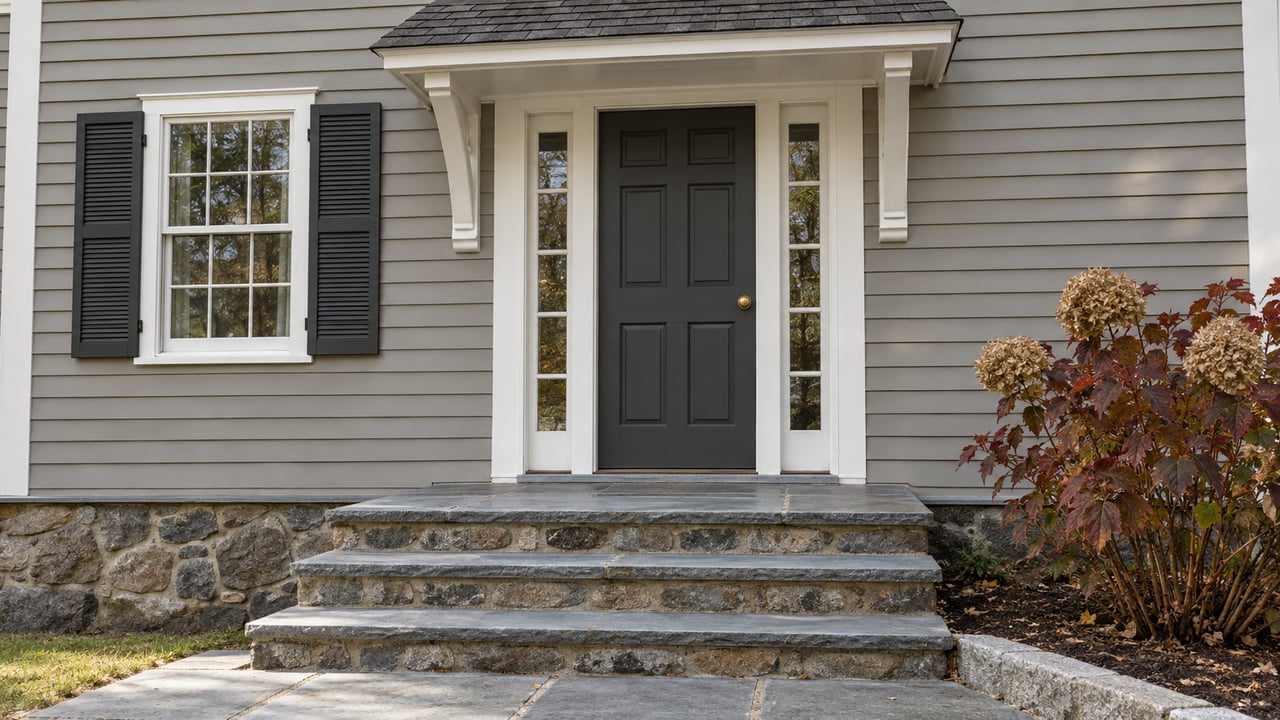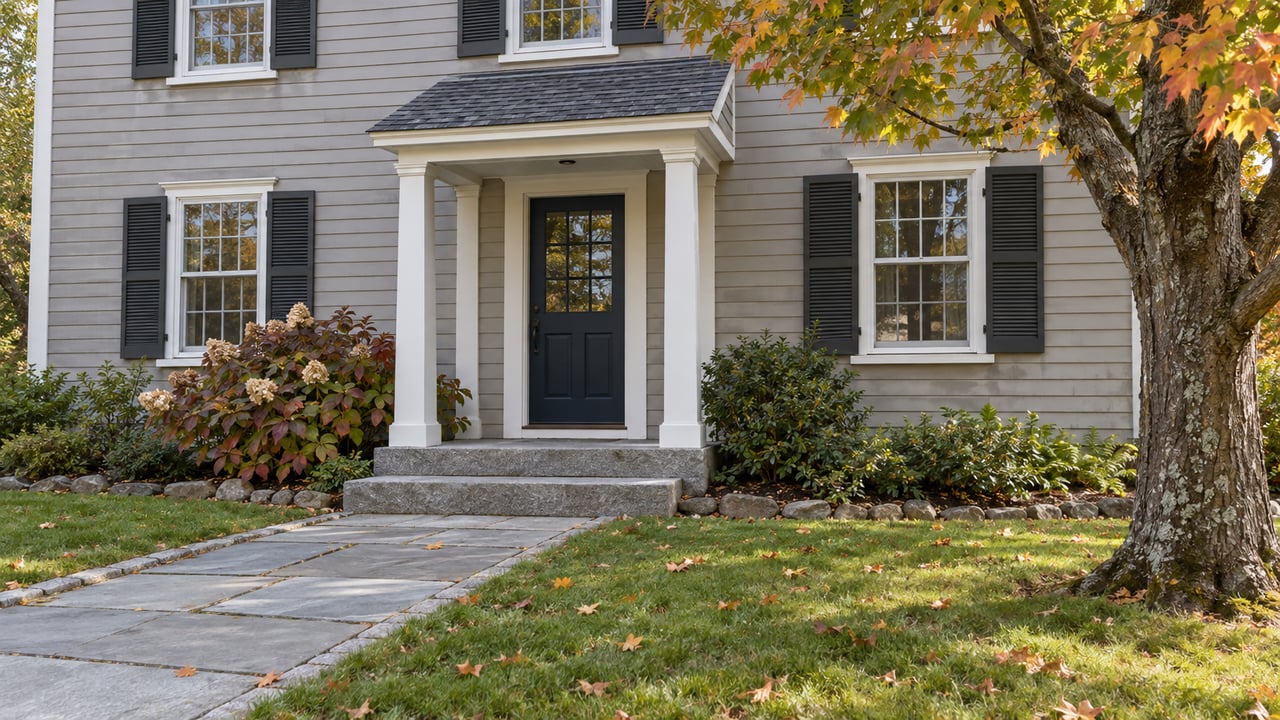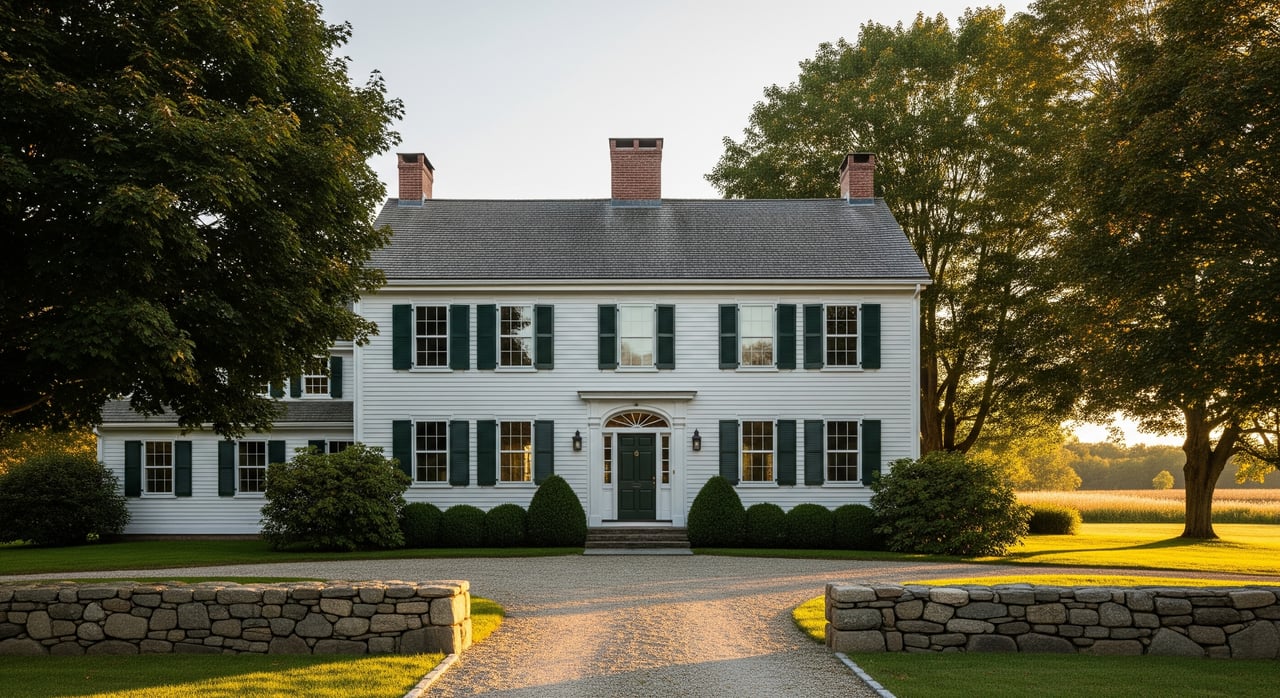
Thinking about selling an 1800s farmhouse in Carlisle? Pricing it like a newer colonial could leave money on the table or stall your sale. Antique homes attract a specific buyer set, and appraisers look at them differently from standard houses. In this guide, you will learn how Carlisle buyers and appraisers evaluate historic properties, which features truly drive value, and how to set a price that is both compelling and defensible. Let’s dive in.
What “antique” means in Carlisle
In real estate, “antique” often refers to homes built before the early 20th century, commonly pre-1940, with many markets using pre-1900 or pre-1930. In Carlisle, that includes colonial, Federal, Victorian, and early farmhouse properties that retain original details or documented history. The town’s larger lots, privacy, and rural character make these homes especially appealing to a focused buyer pool. Your pricing should reflect both the home’s authenticity and how well it works for modern living.
Key value drivers to price right
Authenticity and architectural integrity
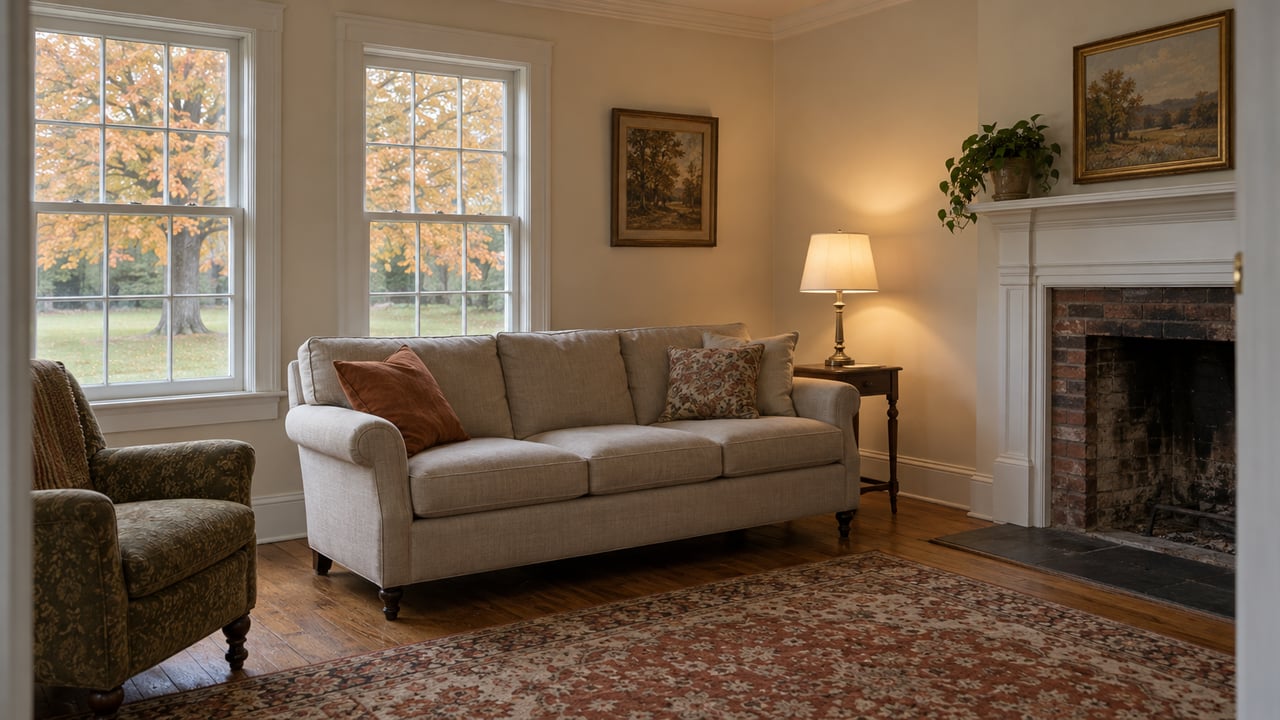
Buyers of antique homes care about original fabric such as wide-plank floors, wavy-glass windows, staircases, mantels, and period hardware. When these elements are intact and in good condition, they can support a premium with the right buyer segment. Appraisers recognize these features when the market does, especially if comparable sales demonstrate demand for authenticity. If the home is architecturally significant or documented, authenticity can matter even more.
Condition and deferred maintenance
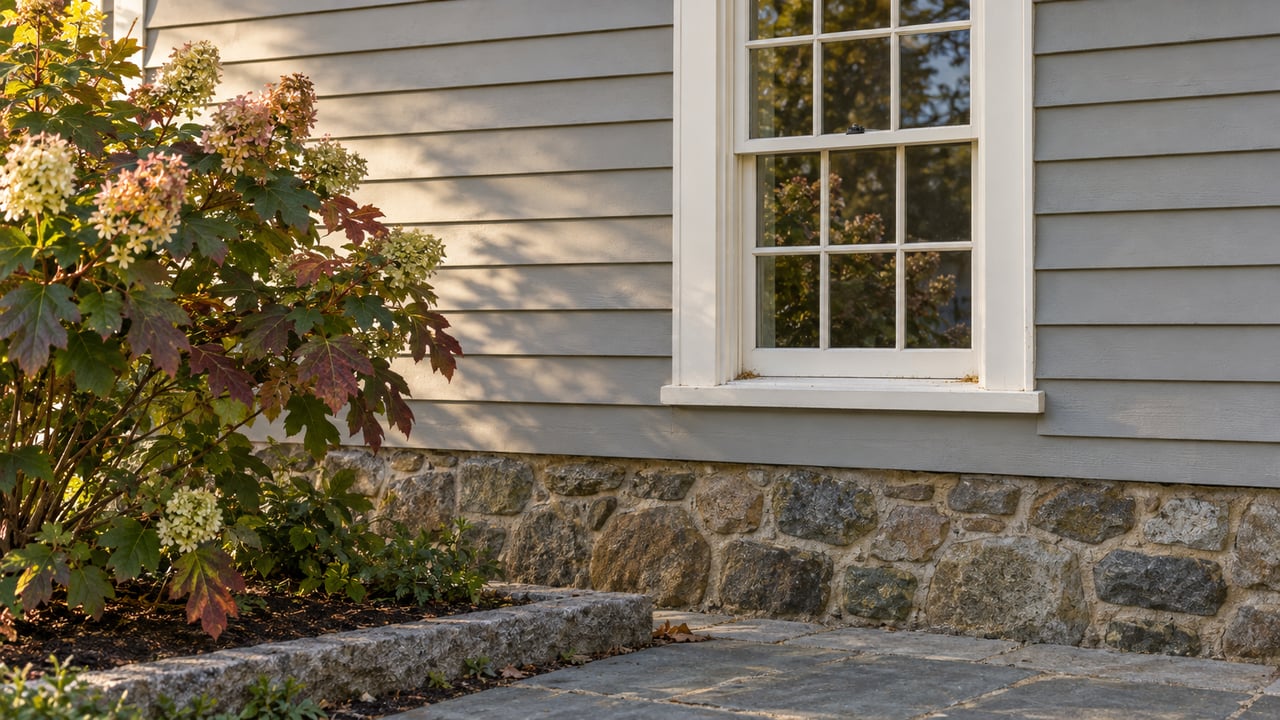
Condition is the first filter for most buyers and lenders. Older stone foundations, chimneys, roofs, drainage, and framing deserve a close look, as do costly items like failing sills, joists, and outdated wiring or plumbing. Appraisers often deduct the estimated cost to cure major issues, which puts immediate pressure on price. Transparent documentation and realistic repair estimates help you set a number the market will support.
Systems and safety
Modern heating, safe electrical, reliable plumbing, and adequate insulation matter more to many buyers than cosmetic restorations. Lenders can be stricter with homes that have knob-and-tube wiring or other safety concerns. Upgrading key systems often adds more marketable value than refinishing trim if those upgrades change daily livability. Position your price to reflect system status and risk reduction.
Updates that respect history
Sympathetic kitchen and bath updates that preserve character typically add strong value. Over-restoration or replacements that clash with the period can shrink the buyer pool. Keep contributing features visible and functional while improving utility in high-use rooms. Buyers respond when a home feels both historic and practical.
Land, barns, and outbuildings
Carlisle buyers value privacy, acreage, and useable outbuildings. Barns, carriage houses, and genuine agricultural structures can contribute meaningfully when they are safe, serviceable, and aligned with market uses like garages, studios, or potential accessory spaces. Factor ongoing maintenance, safety, and code considerations into your pricing. If you think the land could be subdividable, confirm feasibility because local zoning and conservation constraints will shape any potential premium.
Historic status and covenants
Listing on the National Register or being within a local historic district can offer prestige and visibility. It can also affect alterations and perceived flexibility. For owner-occupied single-family homes, broad tax credits are limited, so weigh recognition against the possibility of a smaller buyer pool. Clear documentation of any restrictions helps keep expectations realistic.
Floor plan and functionality
Smaller rooms, limited closets, and compartmentalized layouts can reduce value if buyers perceive the home as hard to live in. Appraisers use effective age to reflect how updates change livability. A well-maintained 1800s home with smart updates can live “younger” in the market than its actual age suggests. Staging and presentation can also help buyers imagine functional zones within older layouts.
Environmental and regulatory items
Lead-based paint is a disclosure item for pre-1978 homes. Some older homes may also include historic materials or asbestos, which can affect renovation plans and insurance. In Carlisle, many properties rely on private septic and wells, so Title 5 septic inspections and well testing can materially influence price and timelines. Proximity to wetlands or conservation land can enhance appeal yet introduce development limitations, which your price should reflect.
How appraisers price antique homes
Sales comparison approach
For residential antiques, appraisers favor recent local comparable sales and adjust for age, condition, layout, lot attributes, barns, and other unique features. Finding true “antique-to-antique” comps is often the main challenge, especially in a small town. When they cannot match every feature, appraisers prioritize the elements that matter most to the buyer pool. Your pricing should mirror that logic.
Cost approach for uniqueness
If comparable sales are limited, the cost approach becomes more useful. Appraisers consider land value plus the cost to replace improvements, minus depreciation for physical wear and functional issues. Estimating depreciation on historic fabric takes experience and documentation. This is one reason compiling your renovation history and inspection reports is so important.
Adjustments appraisers commonly make
- Condition and deferred maintenance: estimated cost to cure or a market-based depreciation factor
- Systems and utilities: value impact of replacing knob-and-tube wiring, adding safe heating, or improving plumbing
- Authentic features: contributory value only when the market recognizes and pays for those elements, demonstrated by comps
- Lot size and outbuildings: per-acre and structure-specific adjustments based on use, condition, and demand
Effective age and remaining life
Appraisers separate chronological age from effective age. A property from the 1800s can have a much younger effective age if updated and well maintained. Remaining economic life then informs depreciation in the cost approach. Your price should account for how current the home feels and functions today.
Steps to set a smart price
Assemble the right documentation
- Renovation and permit history, including contractor invoices
- Past appraisals and tax assessment history
- Photographs of original features and any restoration work
- Reports: full home inspection, structural engineer if needed, chimney, roof, lead or asbestos if applicable
- Title 5 septic inspection and well water testing
- Any historic designation or demolition delay paperwork
Having a strong documentation packet allows buyers and appraisers to verify what makes your home valuable and anticipate costs.
Get targeted pre-list inspections
Focus on items that most affect price and financeability: structure and foundation, roof and chimneys, electrical and plumbing, HVAC, insulation, and septic. Use clear, written estimates for any recommended repairs so you can decide whether to fix now or price accordingly. Well-documented condition supports a defensible list price and smoother underwriting.
Anchor your price to the buyer pool
Antique homes often attract a narrower audience that values character, land, and provenance. The broader market still puts weight on turnkey systems and livable layouts. Price where both audiences overlap: honor the history while reflecting present-day usability. In Carlisle and the broader Cambridge–Newton–Framingham region, this balance is usually what sells an antique efficiently.
Compare with care
Review local MLS data, the Town of Carlisle Assessor’s records, and recent sales of older homes on similar lots. When perfect comps are scarce, use the best available sales and adjust for condition, systems, outbuildings, and lot attributes. Keep your adjustments conservative for unique features unless a recent sale shows buyers paid a measurable premium for that same characteristic.
Present to the market strategically
Lead with livability and authenticity in your marketing, backed by documentation. Highlight preserved details, sympathetic updates, and practical advantages like usable barns or adjacency to conservation land. Professional staging can help buyers understand room flow and the scale of older rooms, while high-quality photo and video assets tell the home’s story clearly. This presentation supports a premium within the market range your data justifies.
Buyer offer strategy for antique homes
- Get contractor quotes for major items before finalizing your offer, especially roof, electrical, plumbing, foundation, and septic.
- Include inspection and Title 5 contingencies appropriate to the property’s age and systems.
- Be mindful of appraisal risk if financing. Unique historic features do not always get full value credit without strong comps.
- Verify zoning and permitting paths if you plan to add bathrooms, expand, or adapt outbuildings.
Local rules that impact price
- Title 5 septic: Massachusetts requires septic compliance at transfer, so inspection timing and any needed remediation can influence both price and closing timeline.
- Lead-based paint: for pre-1978 homes, sellers must disclose known information and provide the required federal pamphlet. Buyers planning renovations should factor testing and potential mitigation.
- Historic oversight: consult Carlisle’s bylaws and any local preservation bodies to understand demolition delay or alteration reviews that could shape renovation plans. Clear awareness of these items helps you set a realistic price and timeline.
What great marketing adds to value
The right marketing does not change square footage or replace a roof, but it can increase demand and reduce time on market. In a niche category like antiques, that matters. A show-ready presentation, curated staging, and high-fidelity media help the right buyers see both the character and the daily function. When you connect documentation with a polished story, you give appraisers and buyers the confidence to meet your price.
A Carlisle pricing game plan
- Gather documents and inspections. Confirm Title 5 status, system safety, and any structural items.
- Identify your true buyer pool. Balance authenticity with modern use to keep the pool broad.
- Build a comps set. Use the best local sales and apply conservative adjustments for condition, systems, outbuildings, and acreage.
- Choose repairs vs. price. Fix high-impact safety and system items when feasible; otherwise, price with transparent estimates.
- Stage and market. Present the home’s history clearly and show how it lives today to support your target number.
- Monitor feedback. Early showings and agent comments help you fine-tune if needed without losing momentum.
Ready to price your Carlisle antique with clarity and care? If you want a boutique, show-ready approach that blends deep local expertise with professional staging and multimedia marketing, connect with KC for a complimentary valuation and a clear path to market.
FAQs
What qualifies as an “antique” home in Carlisle?
- In local practice, antiques are typically pre-1940 homes that retain original or early-period architectural elements or documented historic provenance.
Which pre-list inspections matter most for older homes?
- Structural, roof and chimneys, electrical and plumbing, HVAC, insulation, and Title 5 septic, plus lead or asbestos assessments if renovations are planned.
How do barns and outbuildings affect Carlisle pricing?
- Usable, safe outbuildings aligned with market needs can add value, while condition and maintenance requirements influence the size of that contribution.
Does historic designation raise or lower value?
- It can offer prestige and marketing benefits but may narrow the buyer pool due to alteration limitations; price impact depends on local buyer preferences and comps.
How does Title 5 septic influence an antique home sale?
- Massachusetts requires inspection at transfer; pass/fail outcomes and any remediation needs can affect both price and timing, so plan early.
Which upgrades deliver the best return for antiques?
- Safety and system improvements that enhance daily livability, along with sympathetic kitchen and bath updates that preserve period character, tend to perform best.