If you are selling a modern or architect-designed home in Lincoln, you are not just bringing a house to market. You are presenting a piece of design history in a town where landscape, architecture, and daily living are closely connected. When that story is told well, buyers can better understand what makes your home special and why it stands apart. Let’s dive in.
Why Lincoln Suits Modern Homes
Lincoln offers an unusual setting for modern architecture. According to the town, Lincoln has about 80 miles of trails across 2,400 acres of conservation land and private property, and its open space plan notes that nearly 35% of the town, about 5 square miles, is permanently protected. That amount of preserved land shapes how homes are experienced here.
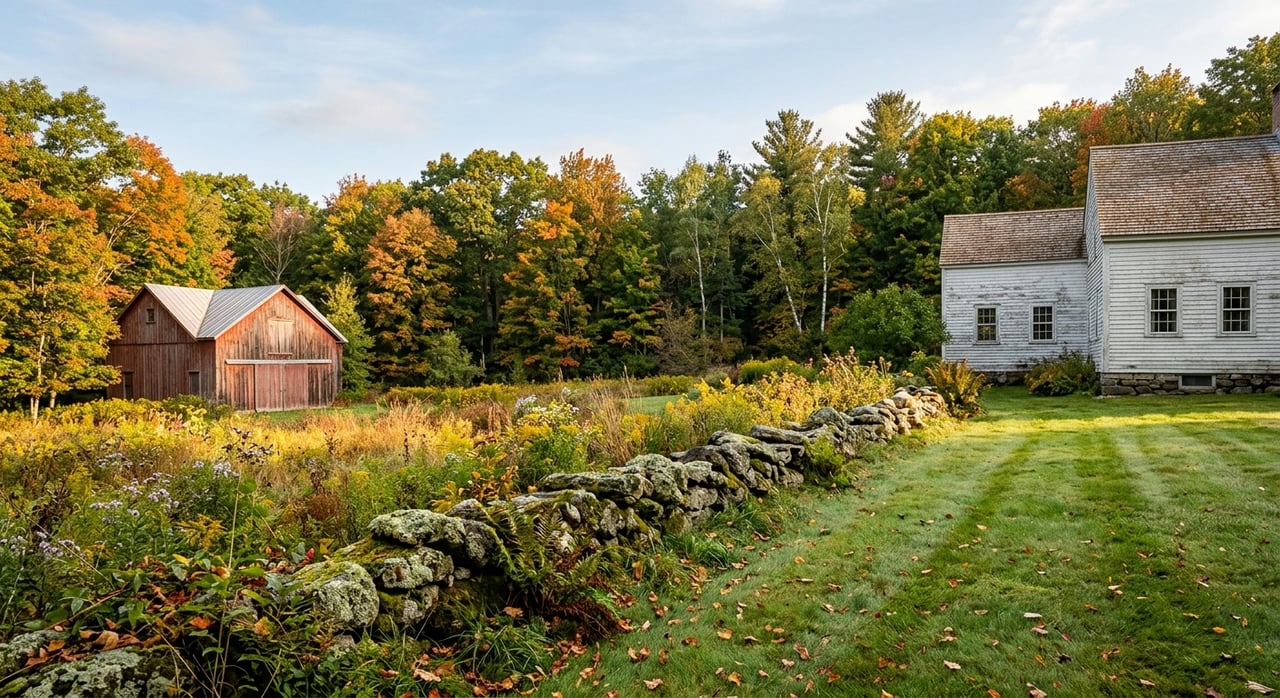
The town’s planning documents also point to Lincoln’s long-standing preference for an open, rural feel, with tree-lined roads, generous setbacks, and homes that sit lightly on the land. In practical terms, that means the setting is part of the appeal. For many buyers, the relationship between house and site is just as important as square footage or finish level.
Lincoln also brings real architectural credibility. The town highlights deCordova Sculpture Park and Museum as the largest park of its kind in New England, with more than 60 outdoor modern and contemporary sculptures. Historic New England identifies Gropius House in Lincoln as a modern-architecture landmark and National Historic Landmark, reinforcing the town’s place in the story of modern design.
Lincoln’s Modern Design Legacy
Lincoln’s modern homes are not scattered exceptions. A local historic-district study shows that neighborhoods such as Beaver Pond Road, Old Concord Road, Woodcock Lane, Woods End Road, Rockwood Lane, Tabor Hill Road, and Huckleberry Hill were originally modern or primarily modern. The same study notes that Brown’s Wood was developed in the mid-1950s as an exclusively modern neighborhood, while Stonehedge and Twin Pond Lane extended that design tradition into the 1960s.
That same historic-district study traces Lincoln’s modern roots back even earlier. It says local architects Henry B. Hoover and Cyrus Murphy were designing modern houses as early as 1937, and that civic and institutional work by Lawrence Anderson, Hoover and Hill, and Robert Brannen helped reinforce Lincoln’s modernist identity.
Historic New England adds another important point: Lincoln has more than 300 modern movement homes. It also notes that nearby Woods End Road includes Modern buildings by Walter Gropius, Marcel Breuer, and Walter Bogner. For sellers, that means a modern home in Lincoln often enters the market with a built-in audience of buyers who already appreciate architecture and are actively looking for something more distinctive than a standard suburban property.
What Makes These Homes Different
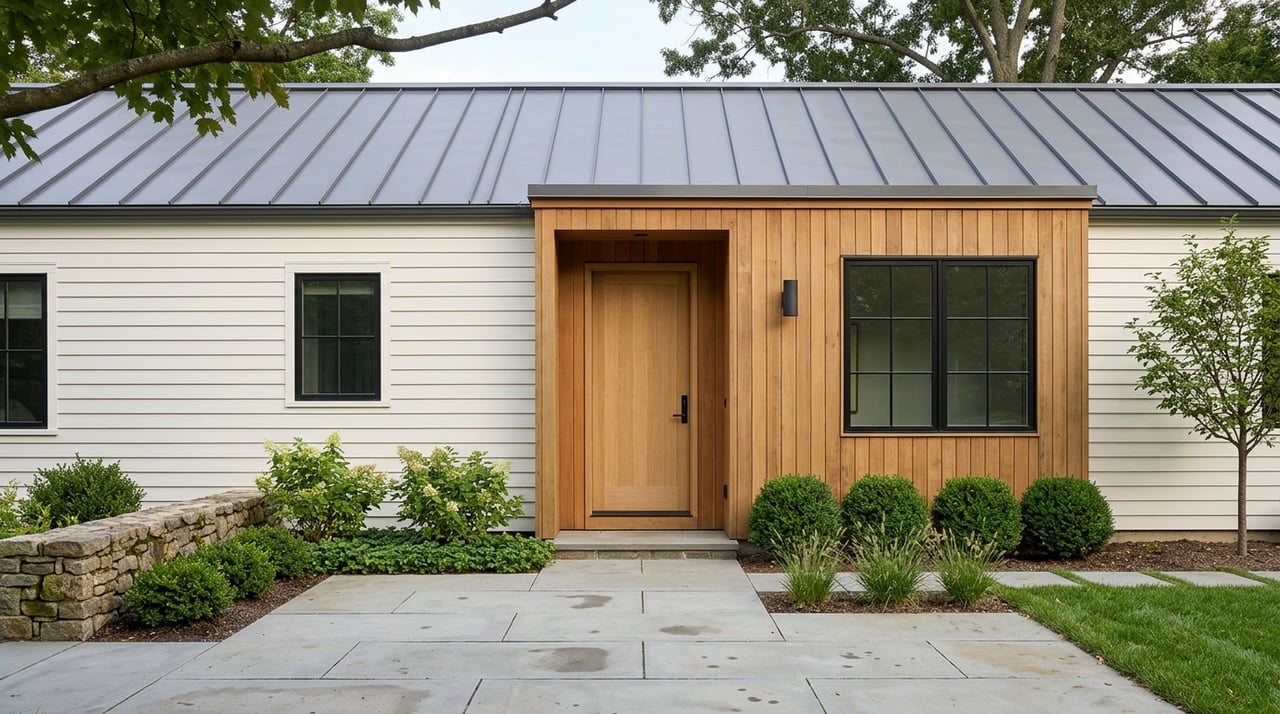
A modern home in Lincoln often feels different because the design and the landscape work together. Historic New England explains that Gropius House combined traditional New England materials with modern materials and Bauhaus ideas, while the property itself was designed so the house and land functioned as one. That same principle helps explain why so many Lincoln homes feel calm, intentional, and closely tied to their surroundings.
Privacy is often part of that experience too. The historic-district study describes Lincoln’s 1955 two-acre minimum lot size as a major turning point that raised land and home prices. Today, many buyers respond to the combination of acreage, wooded setting, and architectural design because it creates a sense of retreat without losing access to the broader community.
When you showcase one of these homes, it helps to focus on the qualities that are truly specific to Lincoln. These often include:
- Natural light and long views
- Indoor-outdoor flow
- Original or thoughtfully preserved materials
- Architect attribution, if documented
- Privacy and lot setting
- The way the home is positioned within the landscape
- Proximity to cultural anchors like deCordova and Gropius House
How to Stage a Lincoln Modern Home
Modern homes usually benefit from a lighter touch in staging. Rather than filling rooms, the goal is to reveal the architecture. Clean sightlines, open circulation, and a clear view of windows, materials, and built-ins help buyers understand the home more quickly.
That approach also aligns with broader buyer behavior. The National Association of Realtors 2025 Profile of Home Staging found that 83% of buyers’ agents said staging made it easier for buyers to visualize a future home. The most commonly staged rooms were the living room at 91%, the primary bedroom at 83%, and the dining room at 69%.
For a Lincoln modern home, thoughtful staging should support the design rather than compete with it. That often means:
- Keeping furniture scaled to the room
- Removing visual clutter that blocks architectural lines
- Letting natural light take the lead
- Highlighting built-ins, materials, and window placement
- Using simple decor that does not distract from the structure
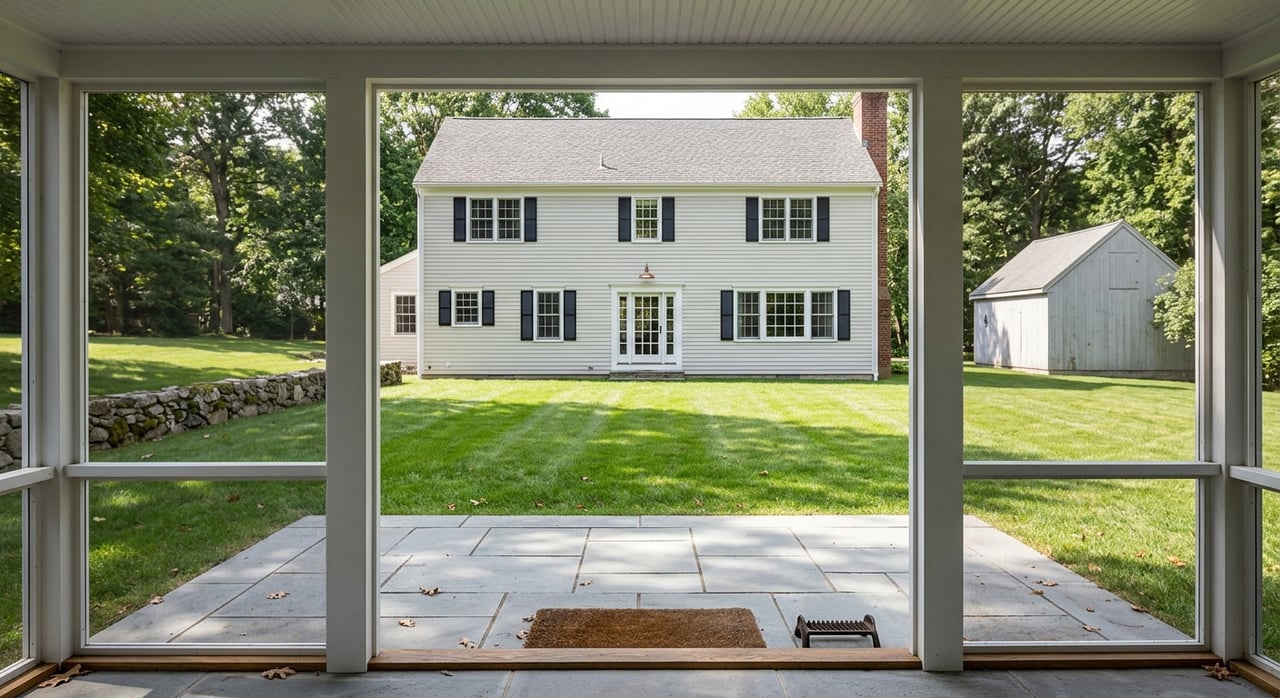
Exterior presentation matters just as much. Lincoln’s open space, wooded lots, and conservation-minded setting mean the outside of the home is part of the sales story. Cleaning up terraces, porches, and approach paths, and making sure the lot reads clearly in person and in photos, can make a major difference.
If your property is in a historic district, it is smart to be careful with exterior updates before listing. The Lincoln Historic District Commission reviews exterior alterations visible from a public way, so last-minute permanent changes may require more thought and review.
Why Media Matters More Than Ever
Most buyers will encounter your home online before they ever schedule a showing. NAR’s 2025 Home Buyers and Sellers Generational Trends report says 51% of buyers found the home they purchased on the internet. Among buyers who used the internet, photos were rated very useful by 83%, detailed property information by 79%, floor plans by 57%, virtual tours by 41%, and videos by 29%.
That data matters even more for architect-designed homes. Buyers interested in design tend to pay close attention to layout, proportions, materials, and how one space connects to the next. A rushed set of listing photos will not fully communicate that value.
A stronger media strategy for a Lincoln modern home often includes:
- Professional still photography
- A photo sequence that tells a clear story
- Floor plans when available
- Video walkthroughs or virtual tours
- Exterior images that show approach, setting, and siting on the lot
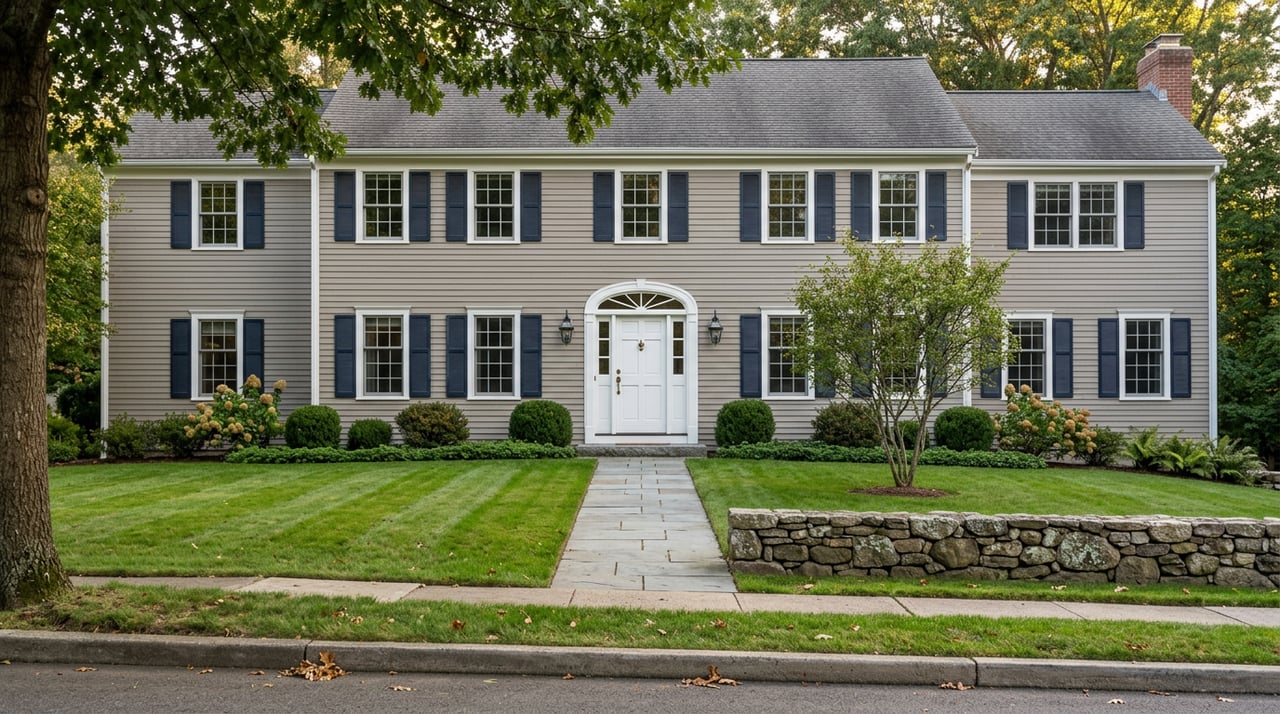
In Lincoln, context photography is especially important. Wide exterior shots and views that show how the house sits within the landscape can help buyers understand the property in a way close-up interior images alone cannot.
Listing Copy Should Tell the Right Story
Strong listing copy for a Lincoln design-forward home should go beyond generic phrases. Buyers looking at these properties often want specifics. They want to know what is original, what has been updated, how the light moves through the home, and how the lot contributes to the experience of living there.
That is why the most effective property descriptions usually emphasize details such as light, privacy, lot, materials, architect attribution, and indoor-outdoor flow. When appropriate, references to Lincoln’s architecture and cultural landscape can also help frame the home in a meaningful local context.
Just as important is what to avoid. If the language could describe almost any house in any town, it is probably too broad. Lincoln’s modern homes deserve marketing that reflects their design intent and setting.
A Thoughtful Selling Strategy
Selling a modern or architect-designed home in Lincoln is rarely about applying a standard formula. The strongest results often come from a plan that respects the architecture, presents the home clearly, and reaches buyers through polished visual storytelling.
That is where a hands-on approach can help. With complimentary KC-led staging, thoughtful preparation, and Ben’s in-house multimedia marketing, KC focuses on presenting distinctive homes in a way that feels true to the property and compelling to the market. If you are considering a sale in Lincoln, that kind of preparation can help your home stand out for the right reasons.
FAQs
What makes modern homes in Lincoln, MA unique?
- Modern homes in Lincoln often stand out because of the town’s strong design history, more than 300 modern movement homes, and the close connection between architecture, privacy, and protected landscape.
How should you stage an architect-designed home in Lincoln?
- You should stage it in a way that highlights sightlines, natural light, built-ins, materials, and the relationship between the home and the lot, instead of using overly generic styling.
Why is photography important for selling a Lincoln modern home?
- Photography matters because many buyers first find homes online, and design-forward properties need strong images, floor plans, and video to communicate layout, setting, and architectural detail.
What should listing descriptions include for a modern home in Lincoln?
- Listing descriptions should focus on light, privacy, indoor-outdoor flow, architect attribution if documented, original materials, and how the home sits within the landscape.
What should Lincoln sellers know about historic district rules?
- Sellers should know that if a property is in a historic district, the Lincoln Historic District Commission reviews exterior alterations visible from a public way, so permanent exterior changes should be planned carefully.