If you are thinking about trading Boston’s density for more space, Westford may already be on your shortlist. The move can feel exciting and a little hard to picture at the same time, especially if you are used to walkable blocks, frequent transit, and a faster daily pace. This guide will help you understand what really changes when you move from Boston to Westford, from housing and commute patterns to everyday lifestyle and what buyers should expect before making the leap. Let’s dive in.
Why Westford Feels Different
Westford offers a very different living pattern than Boston. The town describes itself as a place of rolling hills, lakes, and apple orchards with an emphasis on high tech, and its 2024 population estimate is 25,024 residents, according to the Town of Westford.
That smaller scale shows up in daily life. Westford is less dense, more residential, and more ownership-oriented than Boston. Current U.S. Census QuickFacts show Westford has a population density of 814.8 people per square mile, compared with Boston at 13,976.7 people per square mile.
For many Boston buyers, that change is the point. You may be looking for a quieter setting, more land, or a home that supports remote work, hobbies, or a growing household. Westford tends to appeal to buyers who want more room and a more suburban routine while staying connected to the broader Greater Boston region.
Westford Housing: What Buyers Should Expect
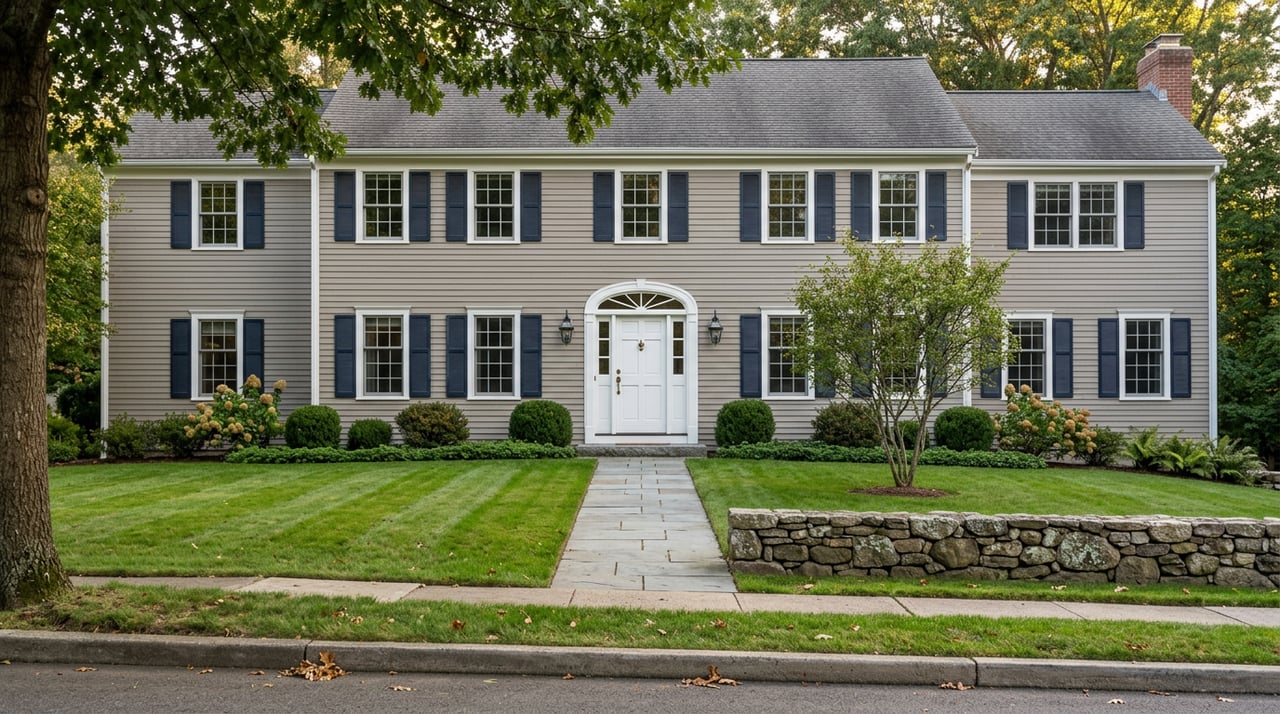
The housing mix in Westford is shaped heavily toward detached homes. Westford’s 2022 Housing Production Plan reports that 81.5% of the town’s housing inventory is single-family detached, which makes it a house-first market rather than a condo-led one.
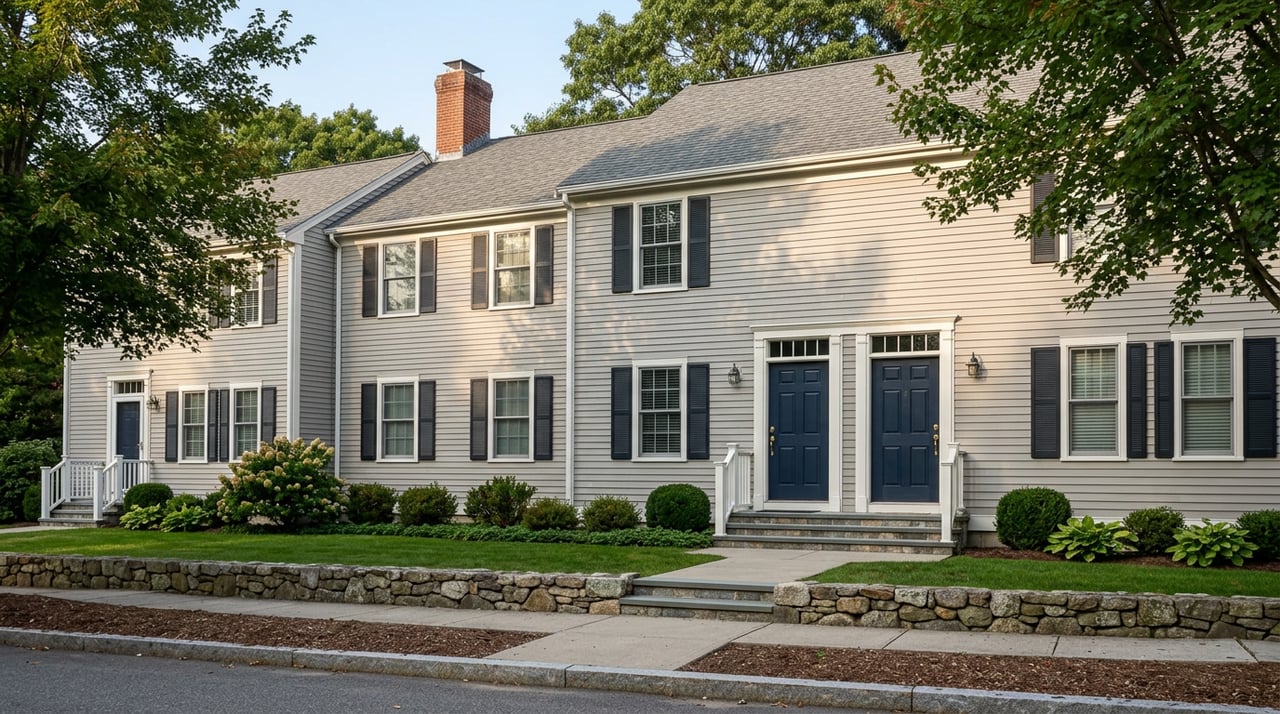
That is a meaningful contrast if you are moving from Boston, where attached housing is much more common. In Westford, condos are available, but they represent a smaller slice of the market. The same housing plan notes 291 single-family home sales and 127 condominium sales in 2020, suggesting condos exist but remain a tighter segment.
Ownership is also a defining part of the local market. Census data show an 85.9% owner-occupied housing rate in Westford. That helps explain why the town often feels more settled, spacious, and residential in character.
Price expectations matter too. The Census reports a median value of owner-occupied homes in Westford of $748,500. If you are coming from Boston, that does not automatically mean lower cost, but it often means you are evaluating value differently, with more emphasis on lot size, layout, privacy, storage, and long-term livability.
How the Boston-to-Westford Commute Changes
One of the biggest lifestyle shifts is transportation. Westford is not set up like Boston, where trains, buses, rideshare, and walking can all play a regular role in your week.
Westford follows a more regional commute pattern. According to Westford transportation planning information on Mass.gov, the road network is framed by I-495 and Route 3, with Route 110 and Route 40 as important local corridors. Nearby commuter rail access is in Lowell and Littleton, and the town’s transportation program can help residents reach the Littleton/495 Commuter Rail Station.
Bus access exists, but it is more limited than what most Boston residents are used to. The same planning source notes LRTA Route 15 serves Westford via Route 129/110, and LRTA says its fixed-route bus service and Road Runner are fare-free through June 30, 2026.
In practical terms, many buyers should expect to drive more. That can mean planning your week differently, from grocery runs to activities to office commutes. Census data put Westford’s mean travel time to work at 30.9 minutes, which is a useful baseline for general expectations, even though it is not specific to Boston-bound commuters.
Daily Life in Westford
Moving from Boston to Westford is not just a housing change. It is also a lifestyle change. In Westford, outdoor space and seasonal town amenities play a bigger role in everyday routines.
The town says it protects more than 2,200 acres of conservation land and maintains an extensive trail network. The Residents page also notes that the Bruce Freeman Rail Trail runs through town and points residents to about 20 trail maps.
If you like building walks, bike rides, and nature into your week, that access can be a real quality-of-life upgrade. Instead of relying on a nearby park or city green space, you may find yourself using trails, ponds, and conservation areas as part of your normal routine.
Westford also has a strong seasonal rhythm. The Recreation Department highlights East Boston Camps, Forge Pond, Edwards Beaches, seasonal programming, and two spring-fed town beaches. The town also spotlights annual community traditions such as the Apple Blossom Festival in May and the Strawberry Festival in June.
For many buyers, this is where Westford starts to feel tangible. You are not just buying a house. You are buying into a different cadence of life, one shaped more by seasons, outdoor recreation, and local events than by constant urban activity.
What You May Gain by Leaving Boston
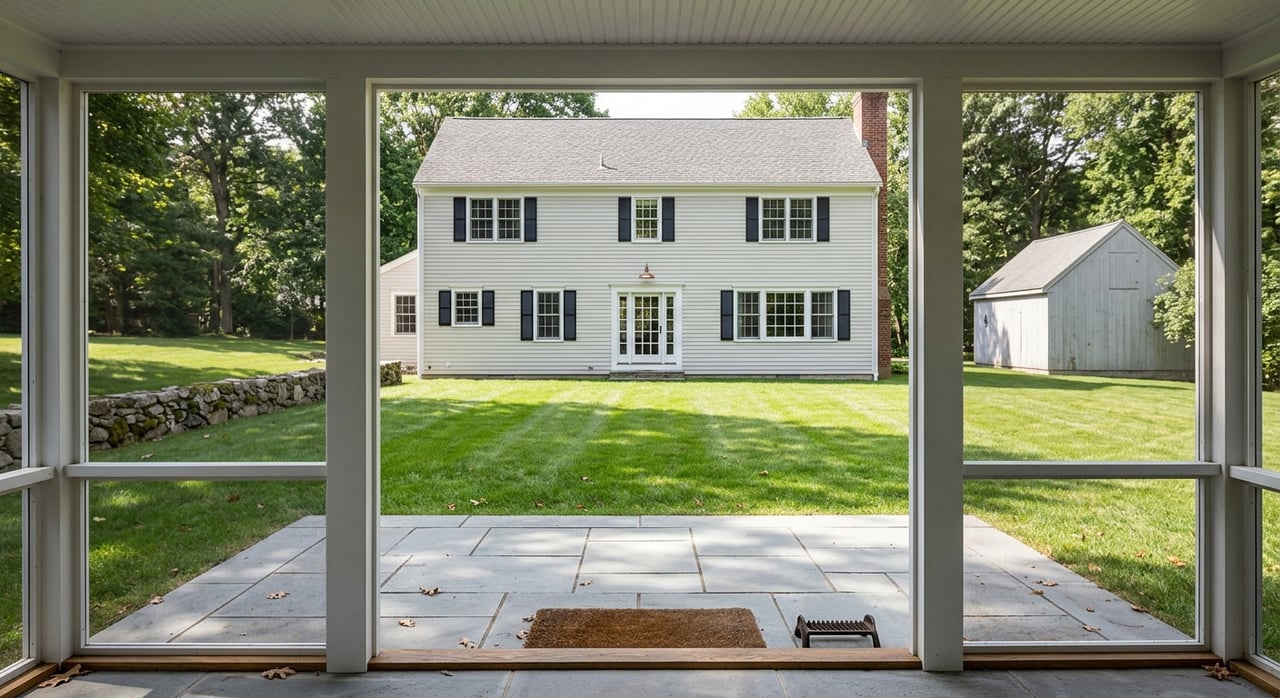
The clearest gain for many buyers is space. Because Westford is less dense and more single-family oriented, you may be able to prioritize features that are harder to find in Boston, such as a larger yard, more bedrooms, a dedicated home office, or extra storage.
You may also gain a different kind of routine. Westford’s quieter setting, conservation land, and local recreation resources can support a lifestyle that feels less compressed. If your Boston life has started to feel crowded or logistically tiring, that shift can be meaningful.
Another change is how homeownership fits into the community. With a high owner-occupancy rate and a housing stock dominated by single-family homes, Westford often feels built around long-term residential living. That can matter if you are looking for a place where your next home works for several stages of life.
What You May Need to Adjust To
The biggest adjustment is convenience in the city sense. In Boston, it is easier to build a day around walking, transit, and having many destinations close together. In Westford, your routine will likely depend more on driving and planning ahead.
Housing inventory can also require a mindset shift. If you are coming from a market where condos or smaller attached homes are common, Westford may present fewer options in that category. Buyers who want lower-maintenance living should be prepared for a narrower set of choices.
You may also need to recalibrate what value means. A move to Westford is often less about finding a bargain and more about finding a different package of benefits, such as land, privacy, layout, and access to outdoor amenities.
Smart Questions to Ask Before You Buy
Before you move from Boston to Westford, it helps to pressure-test your priorities. A few questions can make your search much more focused:
- How often will you need to commute, and by car or rail?
- Do you want a single-family home, or are you hoping to find a condo?
- How much outdoor space do you actually want to maintain?
- Do you want trail access, recreation options, or town events to be part of daily life?
- Are you comfortable with a more car-oriented routine than you have in Boston now?
These questions matter because Westford works best when your lifestyle and housing goals match the town’s strengths. The better you define that fit early, the easier it becomes to sort through options with confidence.
A Buyer Strategy for Westford
If you are serious about moving to Westford from Boston, start by clarifying your non-negotiables. Separate what you need every day, like commute practicality and room count, from what would simply be nice to have.
Then look at homes through a suburban-living lens. A property is not just about square footage. In Westford, buyers often weigh the full package, including lot use, privacy, recreation access, and how the home supports a longer-term lifestyle.
Working with a local team can also help you move faster from curiosity to clarity. If you want guidance on comparing Westford with other Middlesex County suburbs, KC can help you evaluate the tradeoffs, narrow your search, and decide what move makes the most sense for your goals.
FAQs
What is the biggest difference between living in Boston and living in Westford?
- The biggest difference is lifestyle pattern. Westford is less dense, more residential, and more car-oriented, while Boston offers a more transit-rich and walkable urban routine.
What kind of homes are most common in Westford for Boston buyers?
- Single-family detached homes are most common. Westford’s Housing Production Plan says 81.5% of the town’s housing inventory is single-family detached.
What should Boston buyers know about commuting from Westford?
- You should expect a more regional commute pattern centered on driving, with nearby commuter rail options in Lowell and Littleton rather than dense in-town transit access.
What is daily life in Westford like for new residents?
- Daily life often revolves around more space, outdoor access, seasonal recreation, local events, trails, and a quieter suburban pace than most Boston neighborhoods.
Is Westford mainly a condo market or a single-family market?
- Westford is primarily a single-family market. Condos are available, but they are a smaller segment of the local housing inventory and sales activity.