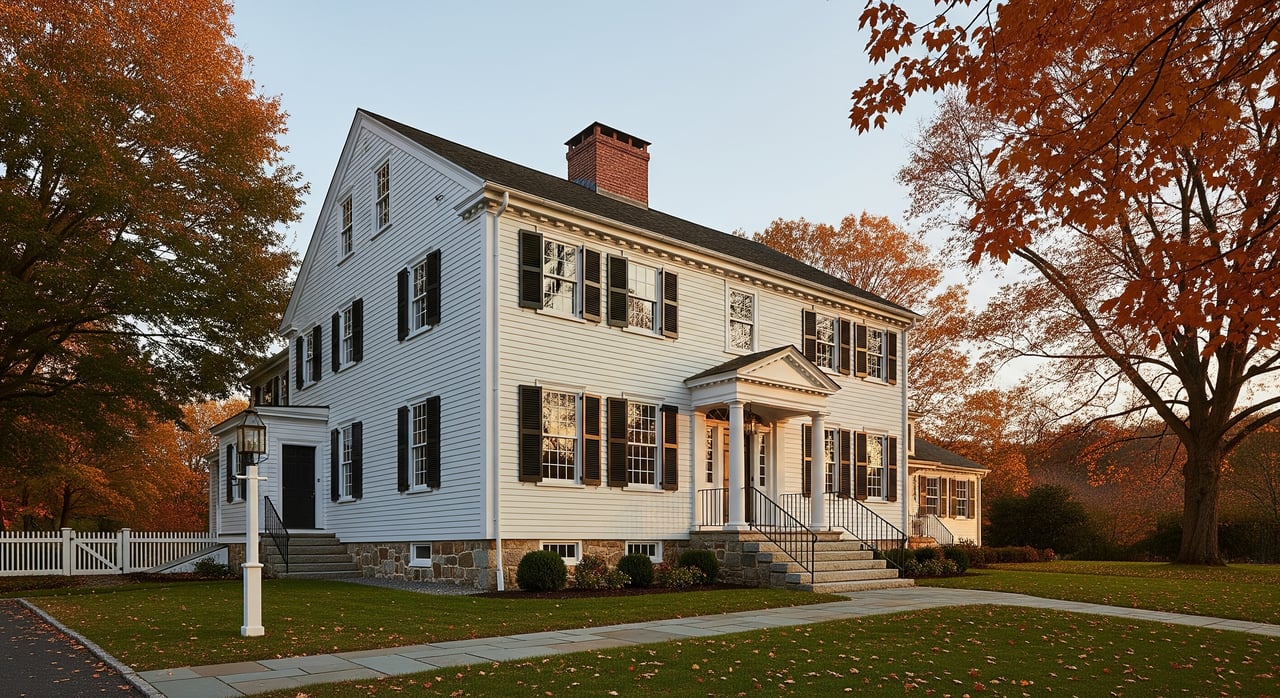
Thinking about buying a piece of Concord history? You are not alone. Concord’s streets are lined with homes that carry stories from the 1700s through the early 1900s, and they remain some of the area’s most beloved properties. In this guide, you will learn how to recognize common architectural styles, estimate a home’s era, understand typical system updates, and plan smart due diligence. Let’s dive in.
Why Concord homes are “historic”
Concord was founded in 1635 and played a central role in early American history. Many homes here date from the 18th and 19th centuries, with a large number built before 1900. In everyday conversation, a “historic” Concord home often means one built in the 1700s to early 1900s.
Parts of town are included in National Register-listed districts, and Concord Center, the Old North Bridge area, and several literary landmarks anchor this heritage. If you plan exterior changes, the Concord Historical Commission may review your project depending on location and scope. For deeper research, property records in the Massachusetts Cultural Resource Information System (MACRIS) and National Register listings help you understand a home’s significance and what features matter most.
How to recognize styles at a glance
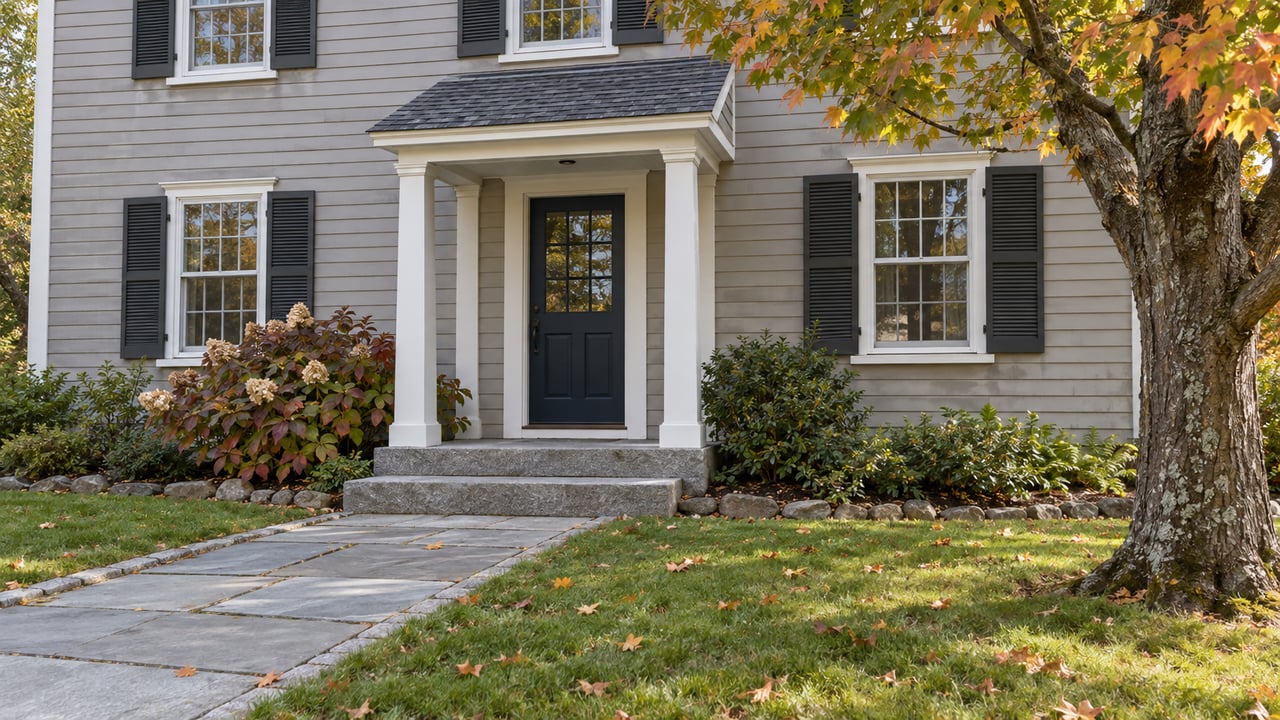
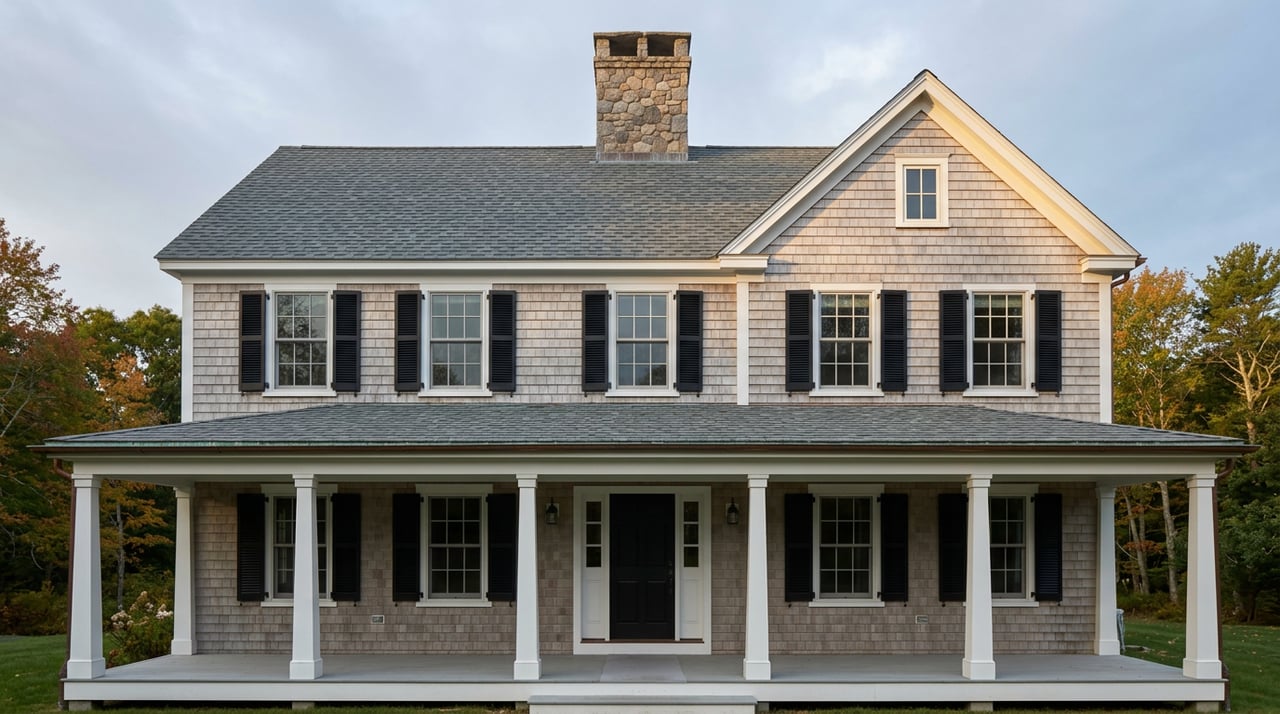
You can often place a home’s era by reading a few visual cues. Focus on roof shape, symmetry, chimney placement, doorway details, window pane patterns, and decorative trim.
First Period and Georgian (late 1600s–1780)
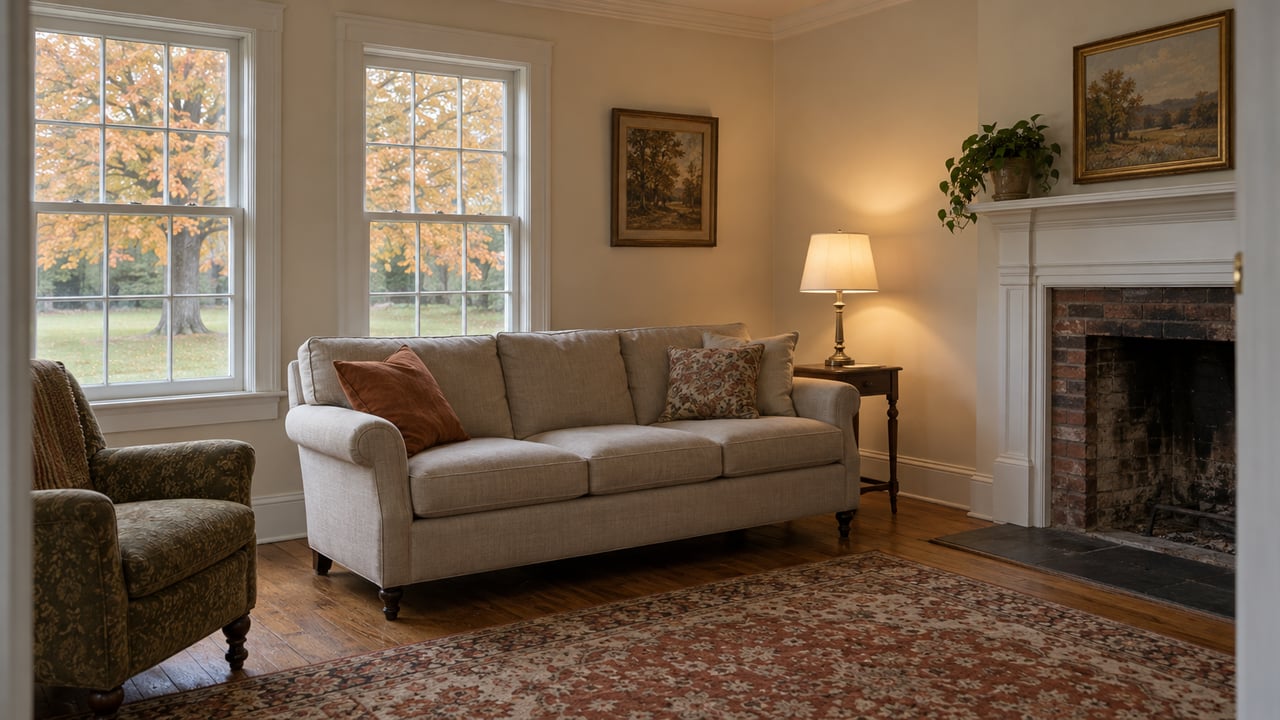
These are among the oldest homes in town. Look for steeply pitched roofs and large central or end chimneys. Windows tend to be small, with many panes, and wood clapboard siding is common. Inside, you may see wide plank floors, exposed beams, and a large central chimney mass.
Federal (c.1780–1830)
This post-Revolution style is more refined and symmetrical than earlier Colonials. Expect a lower roof pitch, slender chimneys, and a centered door often framed by a fanlight and sidelights. Six-over-six windows and delicate interior moldings are typical.
Greek Revival (c.1825–1860)
Greek Revival homes feature gable-front or temple-front facades with strong cornices and wide corner boards. Pilasters or columned porches are common. Windows are usually six-over-six or two-over-two, and the overall look is bold and classical.
Victorian-era styles (c.1840–1910)
- Gothic Revival: pointed-arch windows, steep cross gables, and decorative vergeboards.
- Italianate: low-pitched roofs, wide overhangs with brackets, tall narrow windows, sometimes a cupola.
- Second Empire: the signature mansard roof with dormers and ornate trim.
- Queen Anne: asymmetry, towers or turrets, wraparound porches, and a mix of shingles and spindlework.
You will find these styles clustered in 19th-century neighborhoods and along side streets. Older houses sometimes show a mix of periods as additions were made over time.
Late 19th and early 20th century
Colonial Revival, Shingle Style, and Craftsman-influenced homes appear as Concord grew. Colonial Revival returns to symmetry and classical details. Shingle Style emphasizes continuous wood shingle surfaces. Craftsman features lower rooflines and exposed rafter tails.
What updates and issues to expect
Historic homes usually blend original materials with updates added over centuries. Plan for a careful review of structure, envelope, and systems.
Structure and exterior
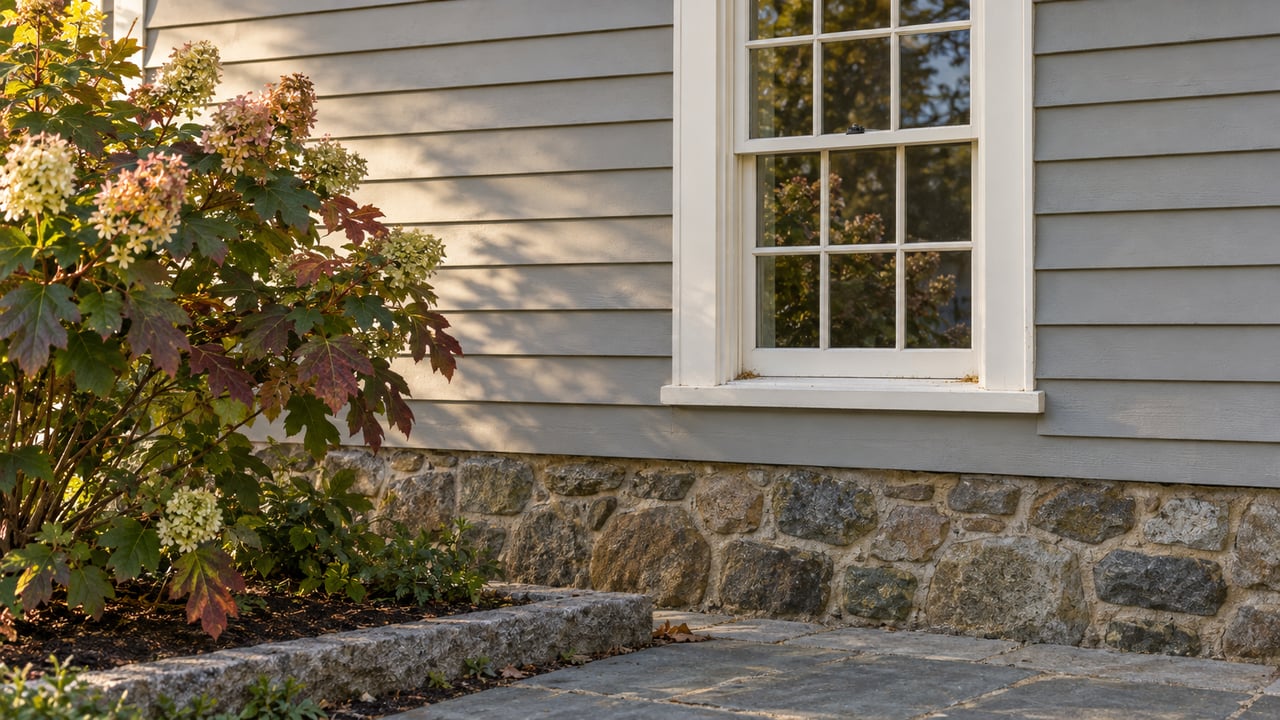
- Foundations: Many 18th and 19th-century homes sit on fieldstone or rubble foundations. Watch for mortar deterioration, bulging stones, and signs of water intrusion. Some homes have concrete parging or partial rebuilds.
- Roofs: Historic materials include wood shingles and slate. Slate can last a long time but is costly to repair. Check valleys, flashing, and chimney bases for leaks.
- Siding and trim: Original wood clapboards and decorative trim can show rot or insect damage, especially where paint has failed.
Mechanical systems and interiors
- Electrical: Older homes may still have sections of knob-and-tube or cloth-insulated wiring. Insurers and lenders often require updates.
- Plumbing: Galvanized pipes can remain in very old homes. Copper or PEX replacements are common in retrofits.
- Heating: Many systems evolved from wood or coal to oil, then gas or modern boilers. Hydronic radiators are common. Conversions to heat pumps may require electrical upgrades.
- Insulation and energy: Historic walls often have little cavity insulation. Attics may be insulated, but original windows are usually single-pane unless storms or restoration glass were added.
- Chimneys and fireplaces: Masonry can deteriorate over time. Many older flues need lining or repair before active use.
Hazardous materials and moisture
- Lead-based paint is likely in pre-1978 homes. The EPA’s Renovation, Repair and Painting (RRP) rule governs safe work when paint is disturbed.
- Asbestos-containing materials may be present in old pipe wrap, some flooring adhesives, and insulation.
- Buried oil tanks are possible on older lots.
- Moisture control is critical. Stone foundations and dirt-floor sections in basements can be damp. Sump pumps and improved grading may have been added.
Local climate factors
Massachusetts freeze–thaw cycles and snow loads stress roofs and masonry. Look for water entry points, flashing failures, and iron corrosion around fasteners and rails.
Showings checklist for historic homes
Use this quick-reference list while touring.
- Roof and chimneys: Any sagging, patched areas, missing shingles or slates, deteriorated flashing, or leaning stacks?
- Gutters and grading: Do downspouts discharge away from the foundation? Is soil graded to shed water?
- Basement and crawl spaces: Any standing water, white mineral deposits on stone (efflorescence), spalling masonry, or musty odors?
- Floors and ceilings: Sloping or bouncy floors, cracked plaster, or ceiling stains that suggest active leaks?
- Windows and doors: Do sashes operate? Signs of rot? Single-pane glass with storms or upgraded glazing? Evidence of chipping paint that could indicate lead?
- Electrical and heating: Visible knob-and-tube? Fuse box or very old panel? Age and fuel type of boiler or furnace?
- Historic features: Which elements would you preserve? Note original mantels, staircases, paneling, floors, and moldings.
- Outbuildings and site: Carriage houses, old walls, wells, or mature trees near the foundation can affect maintenance and permitting.
Permits, reviews, and planning changes
If the home sits in a local historic district or is otherwise subject to review, exterior changes may need approval from the Concord Historical Commission. Routine maintenance with in-kind materials is often allowed, but always verify before starting work. Interior projects typically face fewer preservation constraints unless a special designation or easement applies.
If you will disturb painted surfaces in a pre-1978 home, plan for RRP-compliant practices and lead-safe contractors. Consider how window replacements might affect both character and compliance. When in doubt, speak with the Commission early so you can align scope, budget, and timeline with local expectations.
Financing and insurance basics
Lenders and appraisers focus on safety and habitability. Active knob-and-tube wiring, nonfunctional heating, or significant structural issues can become underwriting hurdles. FHA and VA loans add minimum property standards that older homes must meet.
Insurers may require electrical upgrades and proof of chimney condition. Premiums for older homes can be higher, and some carriers add exclusions without updates. Ask your lender and insurer what documentation they need so you can plan upgrades and avoid last-minute delays.
Inspections that matter
Historic homes reward a specialized team. Consider these pros during your inspection period:
- General home inspector with historic-home experience
- Structural engineer for foundation movement, roof framing issues, or major alterations
- Chimney and masonry specialist for flues, liners, crowns, and mortar
- Licensed electrician for legacy wiring and service capacity
- HVAC and plumbing specialists to assess remaining life and retrofit options
- Lead paint and asbestos testing where appropriate
- Environmental contractor if a buried oil tank is suspected
Next steps and local resources
Build your understanding before you make an offer. Start with three steps:
- Clarify historic status. Ask whether the home is in a local historic district and review any prior approvals. Check MACRIS and National Register listings for documented features.
- Gather system histories. Request ages of roof, heating, electrical panel, plumbing, and any records of water intrusion, lead or asbestos testing, and oil tanks.
- Scope your plan. Decide which original features you will preserve and what you hope to update. Then discuss feasibility and timelines with the Concord Historical Commission.
Local organizations to know include the Concord Historical Commission, Massachusetts Cultural Resource Information System (MACRIS), National Register of Historic Places, Minute Man National Historical Park, Concord Museum, Orchard House, the EPA’s RRP program, and Historic New England. These resources offer context, inventories, and best-practice guidance for caring for woodframes, windows, and finishes.
Work with a team that knows Concord
Buying a historic home is part research, part inspection, and part storytelling. You want a local guide who understands how Concord’s homes evolved and how to position your purchase for long-term enjoyment and value. The Wins Team combines deep neighborhood knowledge with practical, step-by-step advice so you can buy with confidence. If you are also planning to sell, our complimentary professional staging and high-quality multimedia help present your home at its best.
Ready to explore historic homes with a clear plan? Connect with KC for a thoughtful buyer consultation and next-step checklist.
FAQs
What makes a home “historic” in Concord?
- In Concord, many homes from the 1700s through the early 1900s are considered historic due to age, architecture, and location within recognized districts or near notable sites.
Are exterior changes allowed in Concord historic districts?
- Yes, but many exterior changes require review and approval by the Concord Historical Commission; confirm requirements early to align scope and timelines.
Which inspections are most important for pre-1900 homes?
- Prioritize a historic-experienced home inspector, structural engineer as needed, chimney specialist, licensed electrician, and testing for lead paint and asbestos where appropriate.
How do lenders view knob-and-tube wiring in older Concord homes?
- Many lenders and insurers require electrical upgrades or documentation that knob-and-tube is decommissioned; address this early to avoid financing delays.
Do historic homes cost more to insure in Massachusetts?
- Premiums can be higher for older homes, especially if electrical, heating, or chimney systems are outdated; some carriers require upgrades for coverage.
Are there tax credits for renovating a historic home I live in?
- Federal Historic Rehabilitation Tax Credits primarily apply to income-producing properties; homeowner incentives are limited and vary by program, so verify current options.