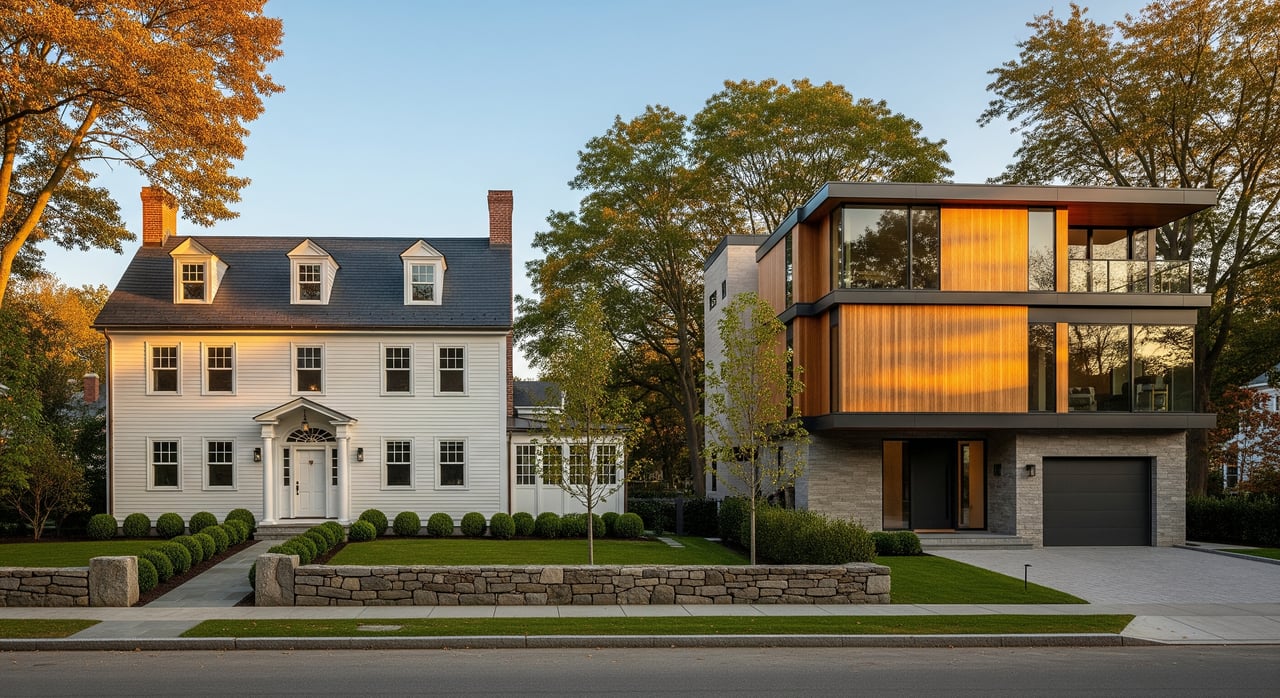
Trying to choose between a classic New England Colonial and a sleek contemporary in Bedford? You are not alone. Many buyers weigh curb appeal against open layouts, and tradition against energy performance, before they ever schedule tours. In this guide, you will learn how these two common Bedford home styles compare on layout, construction and energy, renovation potential, maintenance, and resale appeal, so you can move forward with clarity. Let’s dive in.
Bedford’s mix of Colonial and contemporary
Bedford sits in the Cambridge–Newton–Framingham area of Middlesex County. The town has established neighborhoods with older homes and later 20th‑century subdivisions, plus ongoing renovation and new construction. You will often see traditional center‑hall Colonials near older cores and a range of contemporary homes, from mid‑century ranches and split levels to newer modern builds, in newer pockets.
Bedford’s cold, humid New England climate shapes what matters in any house you buy. Heating is the dominant energy load, and seasonal cooling and ventilation matter too. Insulation, air sealing, windows, roof design, and reliable mechanical systems are key in both Colonials and contemporary homes.
Colonial vs contemporary at a glance
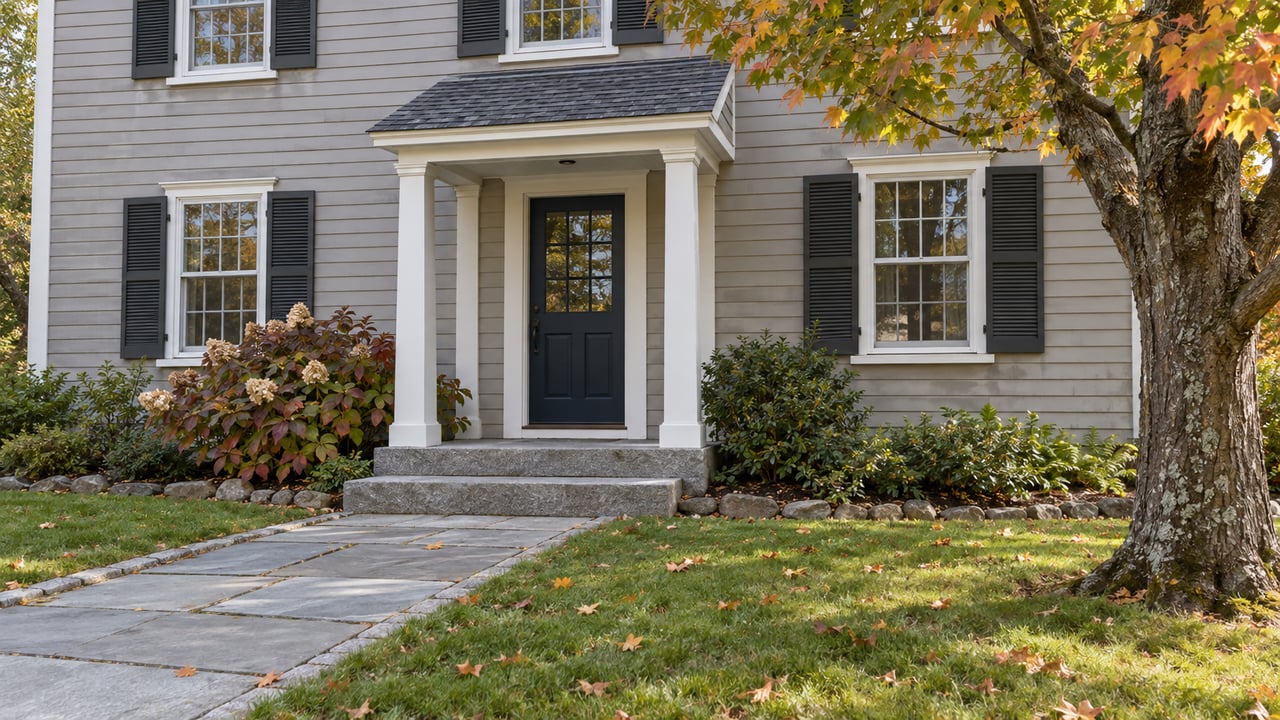
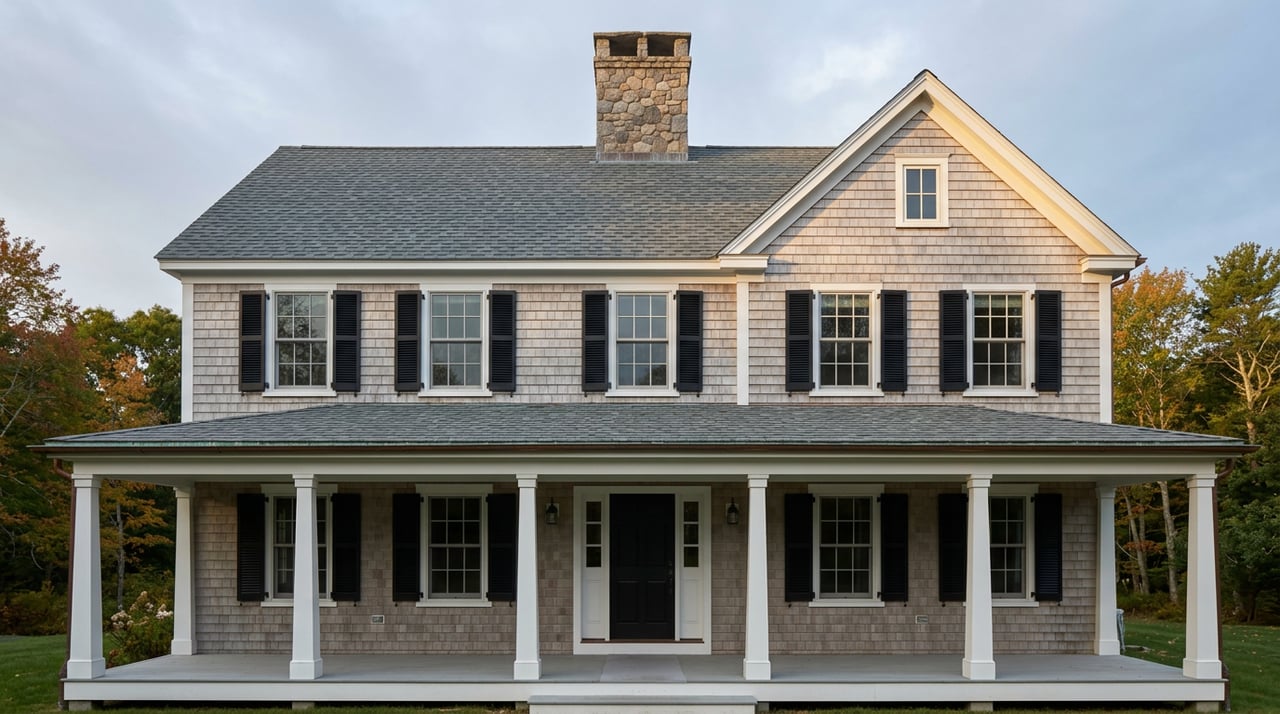
What a Colonial typically offers
- Two stories with a symmetrical façade and gable roof.
- Center or side hall plan with formal living and dining rooms, kitchen usually toward the back.
- Bedrooms on the second floor, sometimes smaller rooms, with additions common for expanded living space.
- Predictable circulation with more separated rooms and less open sightlines.
Why buyers like them:
- Traditional curb appeal and proportions with classic New England character.
- Often in established neighborhoods near town amenities.
Typical constraints:
- Load‑bearing interior walls can limit easy open‑plan conversions.
- Historic trim and details may be important to preserve.
What a contemporary typically offers
- A range of forms, from mid‑century ranch or split level to newer designs with varied massing and larger window areas.
- Open floor plans that combine kitchen, dining, and family spaces, often with larger kitchens and islands.
- More daylight, with sliders, picture windows, or skylights that connect indoors and outdoors.
- Bedroom separation for privacy, and primary suites with walk‑in closets are common in newer examples.
Why buyers like them:
- Open plans fit modern living and entertaining, with potential for single‑level convenience.
Typical constraints:
- Larger window expanses can need attention to thermal comfort and shading.
- Specialty materials or unique details may be more complex to repair.
Daily living: flow, light, and function
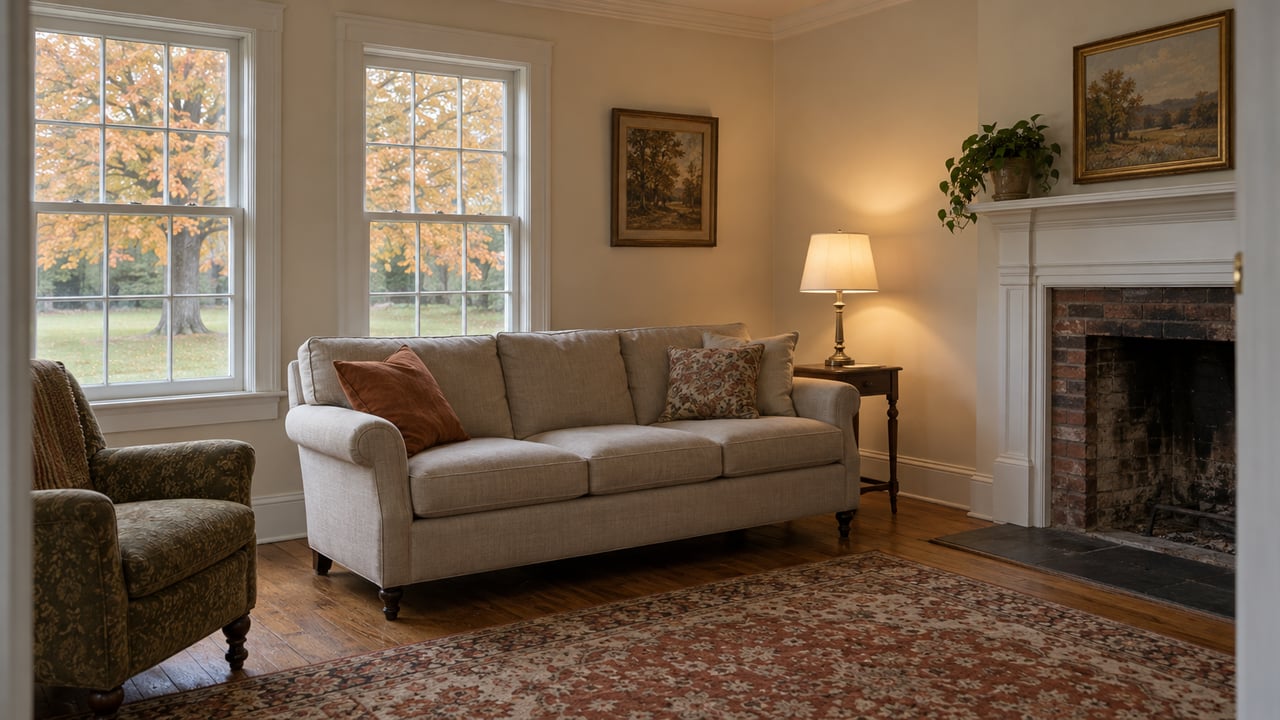
Colonials tend to provide a more formal, compartmentalized main level. If you like distinct rooms for quiet work, homework, or hobbies, a Colonial can feel calm and orderly. You can still create a more open feel with cased openings or partial wall removals, though major structural changes require planning.
Contemporary homes emphasize connectivity. If you prefer cooking while chatting with guests, or you want easy supervision of play spaces, an open kitchen‑family‑dining area delivers. Single‑story living in ranch‑style contemporaries can help with accessibility needs and long‑term planning.
In both styles, pay attention to storage. Colonials may offer basements and walk‑up attics, while many contemporary homes incorporate built‑ins and walk‑in closets. Match storage to your daily routines before you fall in love with a façade.
Energy and systems in a New England climate
Older Colonials, especially those built before the 1970s, often have minimal wall insulation and older windows. Air leakage through original framing and joinery can increase heating needs in winter. Many have basements or crawlspaces that benefit from moisture management and insulation.
Contemporary homes built or renovated after about 1990 are more likely to have improved insulation, better air sealing, and modern double or even triple‑pane windows. That said, performance varies by era and workmanship, and open plans may require careful thermostat zoning for comfort.
What to look for on any tour:
- Insulation and air sealing in the attic and basement rim joists.
- Window type and condition, including whether storms are installed on older homes.
- Heating and cooling systems, age and efficiency, and whether zones and smart controls are in place.
- Ventilation strategy. If the envelope has been tightened, mechanical ventilation can help indoor air quality.
Massachusetts incentives increasingly support heat pumps and electrification. Cold‑climate heat pumps are now viable options for many homes, and pairing envelope improvements with modern controls can lower operating costs. Ask for recent energy bills and whether the home has had a professional energy assessment.
Renovation potential and permits in Bedford
Many buyers open up a Colonial’s main floor, merge kitchen and dining areas, or add a family room. This can involve removing load‑bearing walls and installing engineered beams, which raises complexity. Matching historic moldings and flooring helps keep character intact.
Contemporary homes often need less structural work to improve flow. Typical projects include kitchen updates, adding built‑ins, or upgrading glazing for comfort and efficiency. Large new openings or window walls still require structural and thermal planning.
Before you renovate in Bedford, confirm permit requirements with the local building department. If a property lies in a local historic district or has a historical designation, exterior changes may require review. Zoning setbacks, lot coverage, and any conservation buffers also affect expansion options. Plan timelines around permitting and inspections.
Maintenance profiles to expect
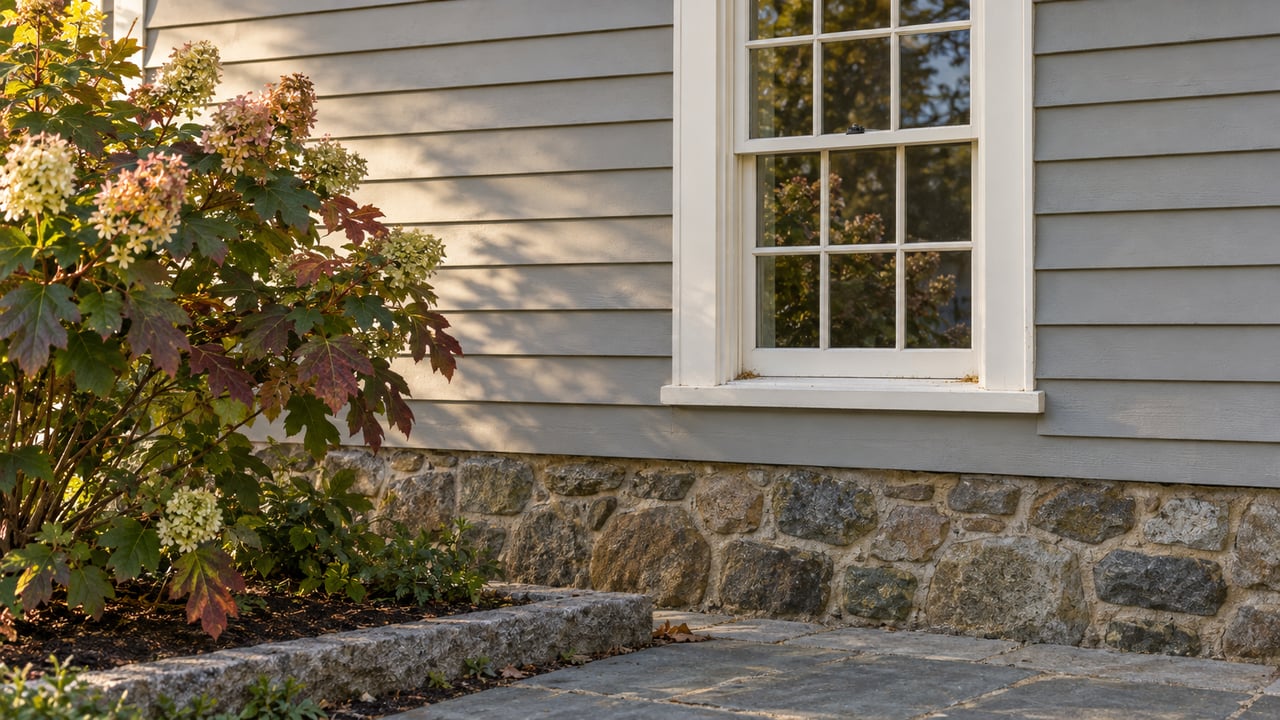
Colonial homes with wood clapboard or shingle exteriors and historic windows require periodic painting and caulking. Older plumbing and electrical may need modernization. Chimneys and traditional rooflines need regular inspection, especially after freeze‑thaw cycles.
Contemporary homes may use lower‑maintenance materials like vinyl or composite siding. The trade‑off can be complex rooflines, larger window units, and specialty details that require precise flashing and drainage. Always review service history on newer mechanicals and confirm warranty coverage.
Resale appeal in the Bedford area
Across suburban Boston, buyers respond to open floor plans, updated kitchens and baths, energy efficiency, and easy indoor‑outdoor connections. Colonials have broad, timeless appeal, especially when classic details are balanced with modern conveniences. Contemporary homes attract buyers who value openness, daylight, and a turnkey modern lifestyle. In both cases, updated systems and a well‑insulated envelope often improve marketability and help shorten time on market.
If you are thinking about resale while you buy, focus your upgrade plans on function and efficiency. Envelope improvements, modern HVAC, and well‑executed kitchen or bath updates tend to resonate with buyers in this region.
Quick touring checklist: Colonial vs contemporary
Use this checklist during showings to compare apples to apples:
- Year built and record of major upgrades: roof, windows, furnace or boiler, water heater, electrical panel, insulation.
- Recent energy audit results or participation in a local efficiency program.
- Heating system type and age, number of zones, and thermostat controls.
- Window type and condition: single or double pane, wood or vinyl, storm windows or modern glazing.
- Moisture signs: basement dampness, odors, staining, sump pump history.
- Roof age and type, plus any past leak or ice dam history.
- Foundation condition: cracks, settlement, or water infiltration.
- For Colonials: condition of historic trim and any known exterior change restrictions.
- For contemporary homes: comfort near large windows, condensation history, and roof drainage details where planes intersect.
- Permit history for past renovations and whether work was inspected.
Bring this list to each tour, and you will spot patterns quickly.
Which style fits you best?
Choose a Colonial if you value classic New England curb appeal, prefer defined rooms, and are open to thoughtful updates that respect original character. A Colonial can be a great match if you want an established neighborhood setting and are comfortable investing in energy and system upgrades over time.
Choose a contemporary if you want an open plan, larger kitchen, and stronger indoor‑outdoor connection. If you prefer single‑level living or prioritize natural light and flexible spaces, a contemporary will likely feel right. Confirm that large windows are energy conscious and that the roof and drainage details are well maintained.
If you are still torn, start with your daily routines. Think about how you cook, work, host, and relax. When you imagine the next five to ten years, picture stairs, storage, and maintenance. The right answer is the house that supports your life with the fewest compromises.
Ready to compare homes in person?
Choosing between Colonial charm and contemporary ease is easier with a clear strategy and local guidance. If you want tailored tours, a renovation and energy plan before you write, and a calm, confident process from first look to close, connect with KC. Our team pairs neighborhood intelligence with boutique, high‑touch service to help you find the right home in Bedford and across Middlesex County.
FAQs
What defines a Colonial home in Bedford?
- In Bedford, a typical Colonial is a two‑story, symmetrical house with a center or side hall plan, formal living and dining rooms, and bedrooms upstairs.
Are contemporary homes more energy efficient in Bedford winters?
- Many newer or renovated contemporary homes have better insulation and modern windows, but performance varies by era and workmanship, so verify upgrades on each property.
What should I check first for energy performance during a tour?
- Look for attic and rim‑joist insulation, air sealing, window type and condition, heating system age and zoning, and evidence of a recent professional energy assessment.
Can I open up a Colonial’s main floor easily?
- It is possible, but removing load‑bearing walls usually requires engineered beams and careful planning, so expect more complexity than many contemporary layouts.
Will a local historic district affect renovations?
- If the home sits in a local historic district, exterior changes may require review; interior work is typically less regulated but confirm with the town before proceeding.
Which style has stronger resale appeal in Middlesex County?
- Both styles sell well when updated; Colonials offer timeless curb appeal, while contemporaries attract buyers who prioritize open plans and natural light.