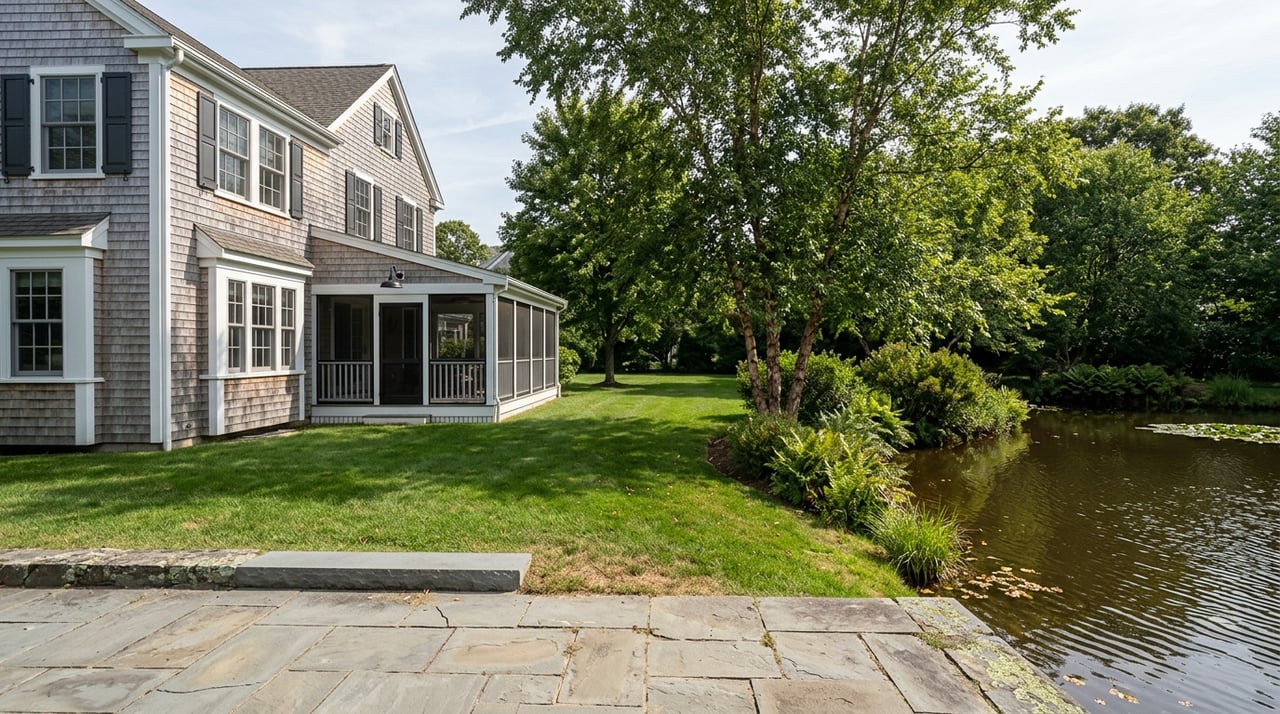
If the idea of living near water brings to mind marinas and nonstop boat traffic, Wayland may surprise you. Here, the water-centered lifestyle feels greener, quieter, and more connected to nature, with ponds, river edges, trails, and conservation land shaping daily life. If you are considering a move to this part of MetroWest, understanding how Wayland’s water areas actually live day to day can help you decide what fits best. Let’s dive in.
Water Living in Wayland
Wayland sits about 18 miles from Boston, but its character feels far more tucked away. The town describes roughly 20% of its land as open space, and its Conservation Commission manages 19 major conservation areas totaling 1,023 acres.
That matters because living near water in Wayland is not about one big waterfront district. It is a network of ponds, marshes, river frontage, and protected land that gives the town a calm, semi-rural feel.
The Different Water Settings
Not all waterfront areas in Wayland feel the same. Some are more active and recreation-focused, while others feel private, residential, or closely tied to conservation land.
Lake Cochituate and North Pond
If you want the most classic beach-style experience, Lake Cochituate and North Pond are the places most people picture first. Wayland Town Beach is located here, and the setting is the most recreation-heavy shoreline in town.
The town beach offers swimming, seasonal lifeguards, weekly water-quality testing, and rentals for kayaks, canoes, stand-up paddleboards, and pedal boats. It is a strong fit if you like easy summer access to the water and a more active scene.
Dudley Pond
Dudley Pond has a different personality. According to the state, its shoreline is heavily developed with residences, so this is the area most associated with residential waterfront living.
For some buyers, that means a more neighborhood-based water experience rather than a public recreation hub. The draw here is often the proximity to the pond itself and the everyday feel of living near the shoreline.
Heard Pond
Heard Pond tends to feel quieter and more natural. It is a backwater of the Sudbury River and is bordered largely by wetlands and land associated with Great Meadows National Wildlife Refuge.
If you picture still water, birdlife, and a more tucked-away setting, this area may be closest to that vision. It feels less like a town beach and more like a refuge landscape.
Mill Pond
Mill Pond is smaller and more neighborhood-oriented. The town notes fishing access near Plain Road and Route 126, which gives it a practical, local feel rather than a destination atmosphere.
For buyers who like the idea of nearby water without the scale or activity of a larger pond, Mill Pond can feel more understated. It is part of the broader pattern that makes Wayland’s water geography so varied.
What Daily Life Near Water Feels Like
In Wayland, living near water often means small, repeatable moments rather than a resort-style experience. You may be close to a beach, a canoe launch, a trail, a quiet marsh view, or a path through conservation land.
The town’s conservation areas support hiking, snowshoeing, skiing, canoeing, small non-motorized boating, and fishing under town rules. That makes the lifestyle especially appealing if you value being outdoors in more than one season.
Great Meadows National Wildlife Refuge adds another layer to the experience. Reached from Wayland via Route 27 to the Weir Hill area, it offers pond-edge and river trails that lean more toward wildlife viewing and peaceful walks.
This is part of what sets Wayland apart. The town’s water lifestyle is active, but it is usually active in a low-key, nature-connected way.
Recreation Is Real, But It Is Not Marina Life
One of the most important things to understand is that Wayland’s waterfront lifestyle is not built around marina-style access. At Wayland Town Beach, there is a small access path for non-motorized craft, but no public motorized boat ramp at the beach itself.
So if you are imagining powerboats launching right from the beach, the setup is different from that expectation. Buyers who want kayaking, paddleboarding, canoeing, and swimming may find the experience ideal, while buyers focused on motorized boating should ask specific questions early.
Seasonal conditions also matter. The town tests beach water weekly during the season, and it notes that algae advisories and aquatic weed pulling can still happen during warm weather.
The Housing Feel Near Water
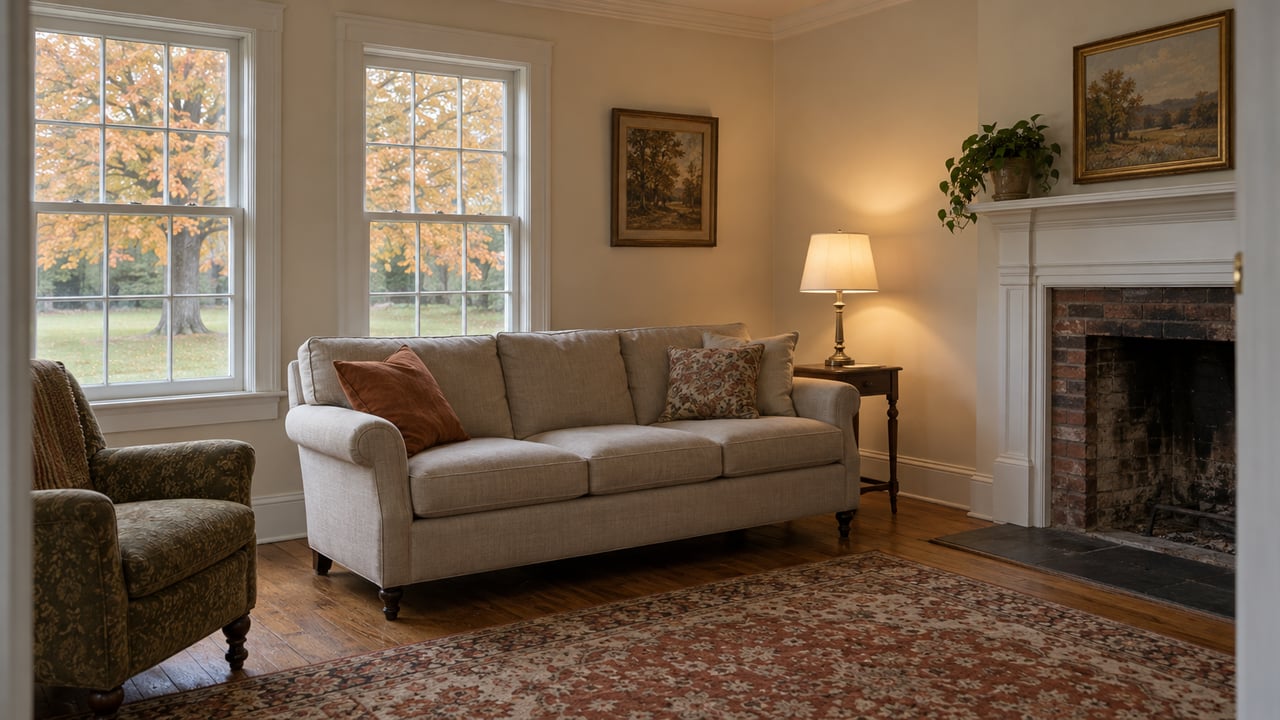
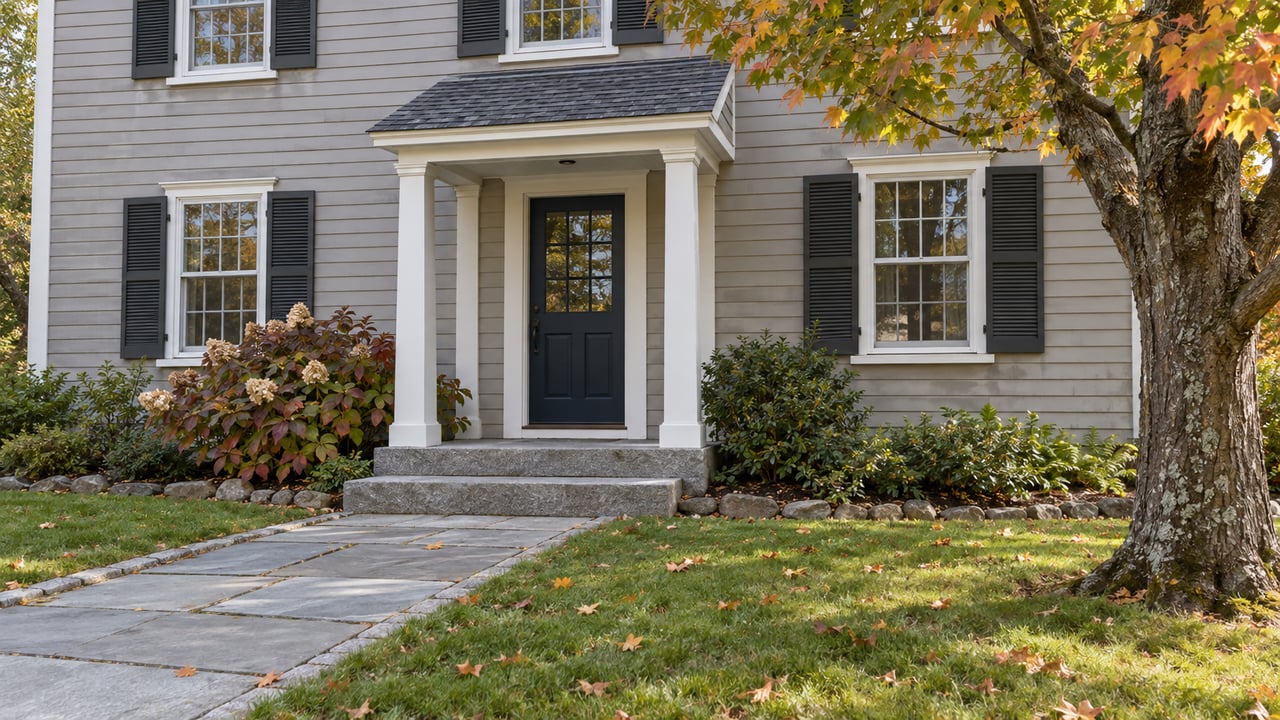
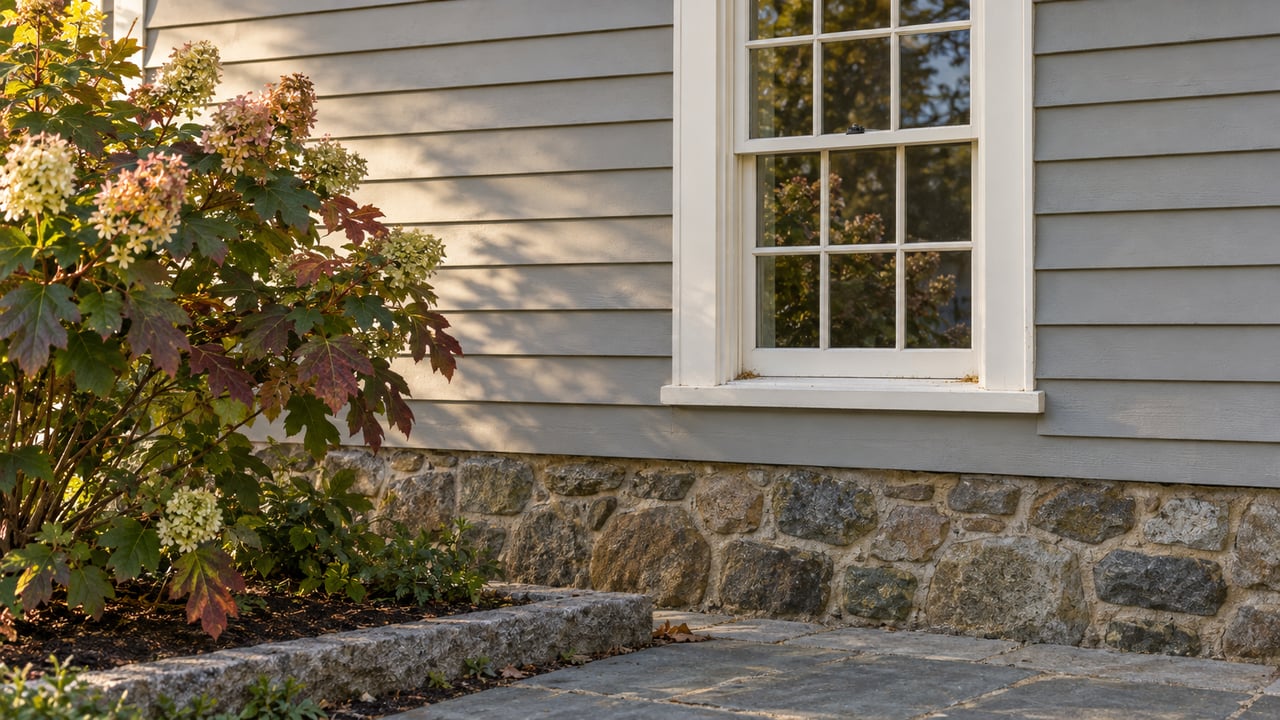
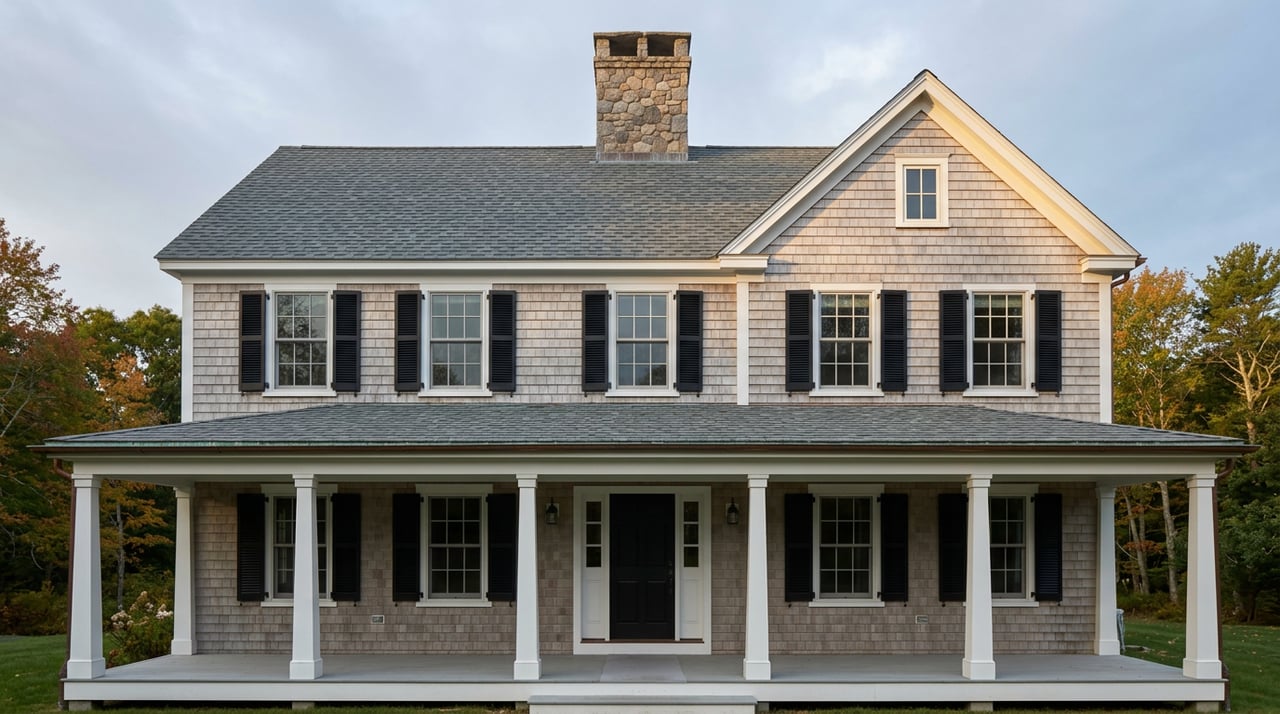
Wayland’s housing stock is primarily single-family homes, and the town’s historic inventory points to a strong mix of traditional New England architecture. Styles include Georgian, Federal, Greek Revival, Colonial Revival, Dutch Colonial Revival, Craftsman, Cape Cod/Colonial Revival, and Queen Anne/Colonial Revival examples.
For buyers, that suggests a water-adjacent housing landscape that often feels established rather than newly built. In many areas, the visual character is more likely to be older, lower-density, and architecturally traditional.
That fits the broader identity of Wayland. The town has two local historic districts, Wayland Center and Bow Road, along with a scenic roads bylaw designed to preserve rural, natural, historic, and scenic character.
Why Buyers Are Drawn to It
Many buyers are drawn to Wayland because the water here feels integrated into daily life without overwhelming it. You can enjoy views, trails, shoreline access, and protected open space while still being within reach of Greater Boston.
The town’s setting often appeals to people who want a quieter version of waterfront living. Instead of a high-traffic lake scene, you get beaches, ponds, river corridors, and conservation overlays that create a strong sense of place.
That can be especially appealing if you want a home environment that feels calm and established. In Wayland, the water often enhances the landscape rather than dominating it.
Practical Questions to Ask Early
As appealing as waterfront and water-adjacent homes can be, they also come with more due diligence. In Wayland, that starts with understanding how local permitting and site conditions may affect the property.
Wetlands and Conservation Review
The Conservation Commission reviews work within 100 feet of wetlands, ponds, or intermittent streams and within 200 feet of perennial streams. The town says these rules are meant to protect water quality and reduce flood damage.
If you are considering exterior changes, drainage work, or site improvements, this matters. A home near water may offer wonderful surroundings, but the approval process can be more involved.
Floodplain Questions
Wayland’s open space and recreation planning notes that the town lies within the 100-year floodplain of the Sudbury River. That does not mean every water-adjacent property has the same level of risk, but it does mean floodplain review should come up early in your due diligence.
This is one of the most important practical conversations to have when comparing homes. A beautiful lot can carry added planning and maintenance considerations.
Wells, Septic, and Groundwater
The Board of Health oversees wells, septic systems, and groundwater protection. That is especially relevant for older homes near ponds and river frontage.
If you are looking at an older property, it is smart to understand how these systems are configured and whether any updates or inspections may be needed. Water proximity can shape more than just the view.
Seasonal Maintenance
Living near water in Wayland can mean more upkeep than buyers first expect. Permitting, stormwater, septic concerns, algae, invasive weed growth, and floodplain issues can overlap depending on the lot.
That does not make the lifestyle less appealing, but it does make it less carefree. The best experience usually comes when you go in with clear expectations.
Is the Waterfront Quiet or Busy?
In Wayland, the answer is both. Lake Cochituate is the more active recreation area, while Heard Pond and the Sudbury River corridor tend to feel quieter and more wildlife-oriented.
That range is a big part of the town’s appeal. You can focus your search based on whether you want a more social summer setting, a more residential shoreline, or a more peaceful natural backdrop.
What Commuting Looks Like
Wayland offers a water-centered lifestyle without feeling remote. The town is about 18 miles from Boston and has convenient access to the Mass Pike and Route 128.
At the same time, daily commute planning is generally road-first. For many buyers, that means balancing the peace of a greener setting with the practical realities of driving.
The Bottom Line on Water Living
Living near water in Wayland is less about marina culture and more about a layered New England landscape. You get ponds, river views, beach access, conservation land, and a semi-rural atmosphere that feels rare this close to Boston.
For the right buyer, that combination can be incredibly appealing. If you value natural surroundings, established homes, and a lifestyle shaped by trails, shoreline, and open space, Wayland offers a very distinctive kind of waterfront living.
If you are exploring Wayland or nearby Middlesex County communities, KC can help you evaluate not just the home, but the setting, upkeep, and long-term fit that come with living near water.
FAQs
What is waterfront living like in Wayland, MA?
- Waterfront living in Wayland is shaped by ponds, river corridors, conservation land, and open space rather than a marina-style lake culture.
Which water area in Wayland feels most active?
- Lake Cochituate and North Pond feel the most active, with Wayland Town Beach offering swimming, rentals, and seasonal lifeguards.
Which water area in Wayland feels quietest?
- Heard Pond and the Sudbury River corridor tend to feel quieter and more wildlife-oriented because of the surrounding wetlands and refuge land.
Can you launch a motorboat from Wayland Town Beach?
- No. The town says the beach provides access for non-motorized craft, while motorized access on Lake Cochituate is elsewhere.
What should buyers check before buying near water in Wayland?
- Buyers should look closely at wetlands permitting, floodplain considerations, drainage, septic or well issues, and seasonal maintenance needs.
Are homes near water in Wayland mostly new construction?
- No. Wayland’s housing stock is primarily single-family homes, and the town’s historic inventory points to a strong mix of traditional New England architectural styles.