If you are eyeing a move west of Boston, Lexington probably keeps popping up for good reason. It offers a well-known historic center, substantial single-family housing, and easy regional connections, but it also comes with one of the highest price tags in this group of nearby suburbs. If you are trying to decide whether the town fits your lifestyle, commute, and budget, this guide will help you weigh the tradeoffs clearly. Let’s dive in.
What Lexington feels like
Lexington sits about 11 miles northwest of Boston and borders Lincoln, Bedford, Burlington, Woburn, Winchester, Arlington, Belmont, and Waltham. That location puts you in a connected part of Middlesex County with access to both suburban neighborhoods and major regional routes.
The town presents itself around a historic center, conservation land, and practical bus and bikeway connections into the broader region. In everyday terms, that means Lexington can feel established, active, and rooted in place without feeling urban.
Housing in Lexington
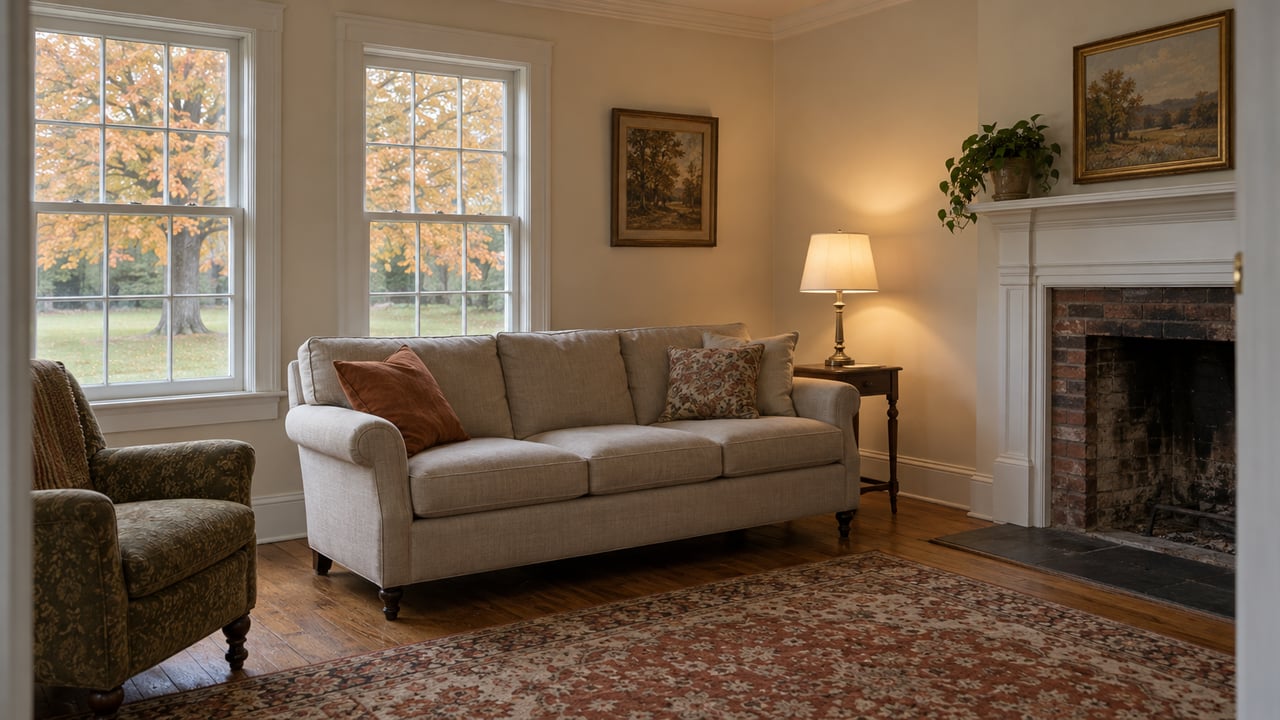
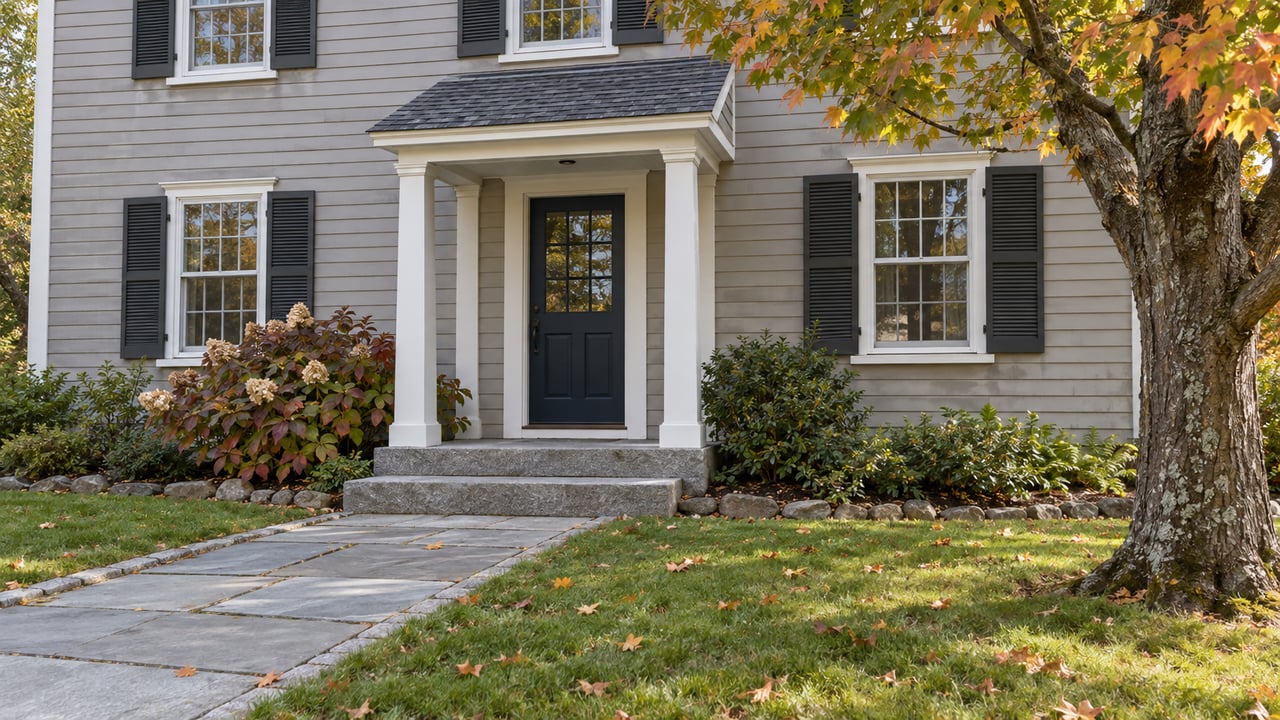
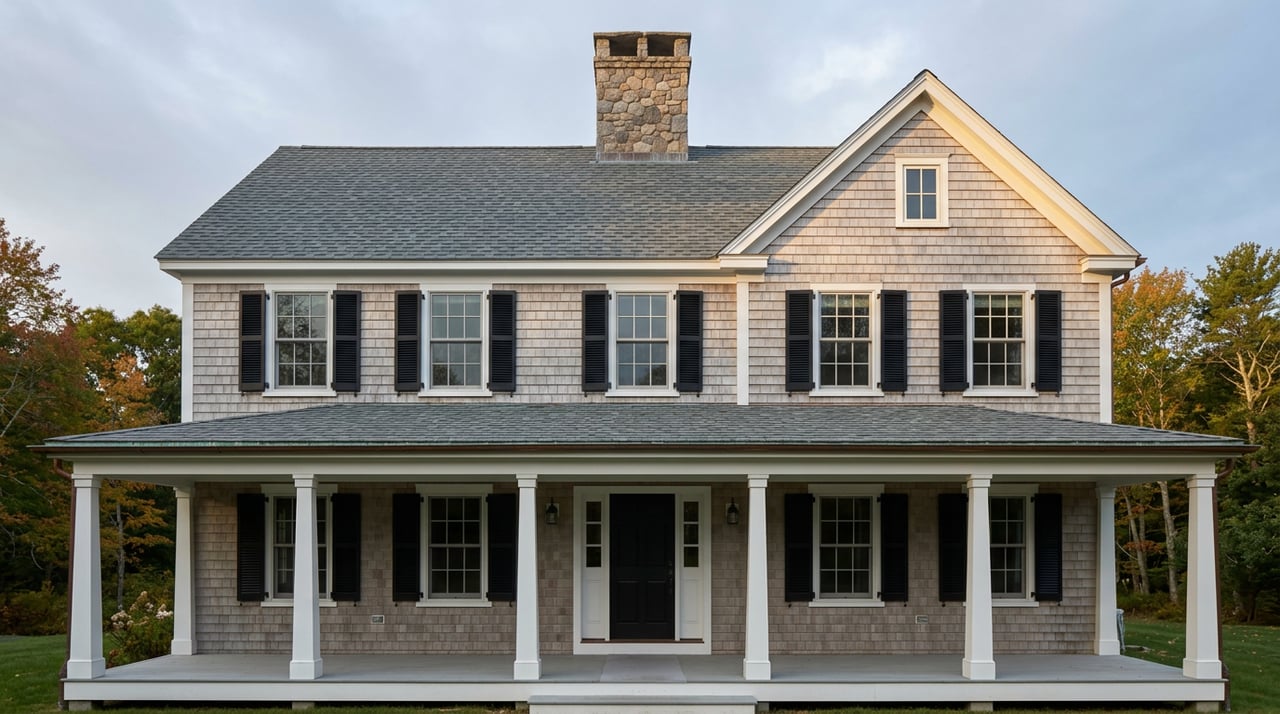
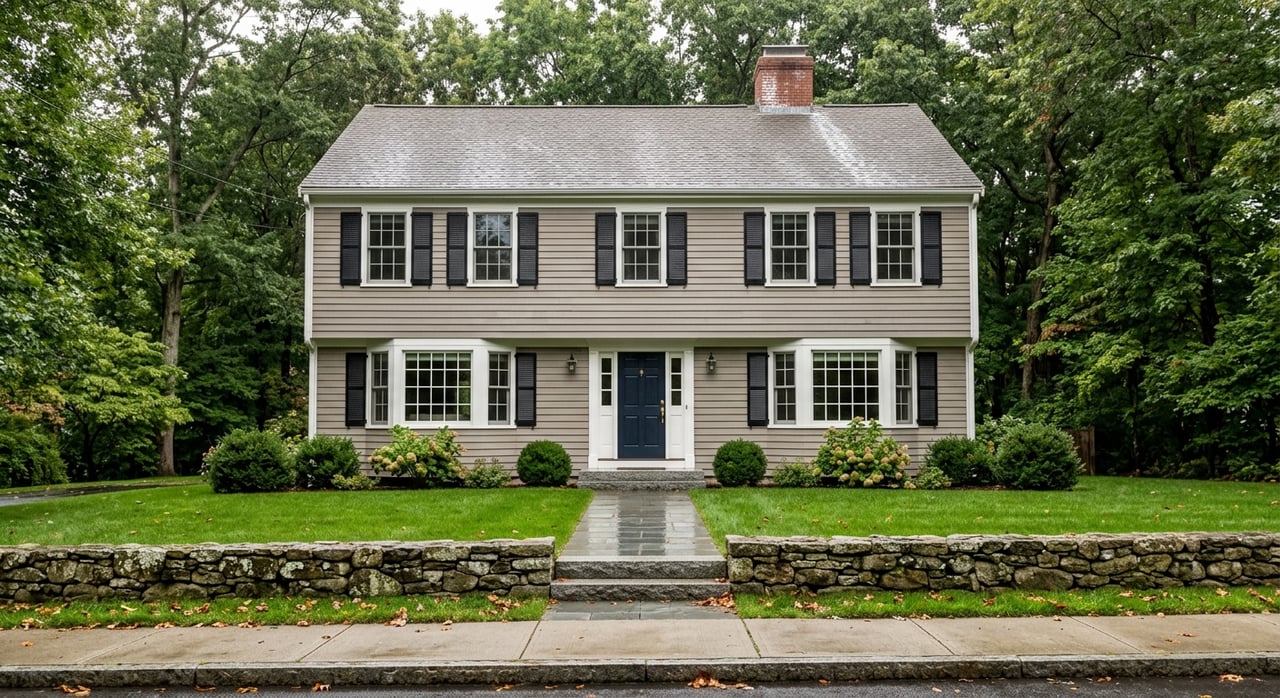
Lexington’s housing stock is heavily centered on single-family homes. According to the town’s housing inventory, 76.6% of units are detached single-family homes, 6.5% are one-unit attached homes, and 10.2% are in multifamily buildings with 10 or more units. Altogether, 83.1% of the housing stock is single-family.
That matters if you are searching for space. The same inventory notes that more than 75% of homes have three or more bedrooms, which supports Lexington’s reputation as a market where buyers are often looking for larger, established homes rather than a condo-heavy mix.
Lexington also has an older housing base. More than half of the homes were built before 1960, and only 12% were built after 2000. The town notes that much of the newer single-family supply has come through tear-downs and rebuilds instead of large new subdivisions.
What homes cost right now
Lexington is a premium market in the local comparison set covered in the research. In March 2026, the median sale price was $1,662,500, homes averaged about 9 offers, median days on market were 16, and the sale-to-list ratio was 101.7%.
Recent sold examples help show the range. Reported closings included a 3-bedroom, 1.5-bath home at $1.075 million and a 5-bedroom, 4.5-bath home at $2.2 million, with several others between about $1.23 million and $2.17 million. That does not mean every home falls neatly into those numbers, but it does show the town’s pricing strength.
For many buyers, the practical takeaway is simple: Lexington tends to function more like a move-up market than an entry-level market. If you are hoping for broad lower-priced inventory or a large selection of attached homes, the available housing mix may feel more limited.
Commuting from Lexington
Lexington works best for buyers who are comfortable with car-based travel or bus-to-subway commuting. The town says it is connected to Routes 95/128, 2, 4/225, and 2A, which gives drivers multiple ways to move around the region.
For transit, Lexington Center can be reached by Lexpress, MBTA bus routes 62 and 76, and the Minuteman Bikeway. The town notes that routes 62 and 76 connect riders to Alewife in Cambridge, and REV/GRID shuttles run between Alewife and Lexington business areas.
Lexpress is a weekday-only local bus system. It serves destinations such as Depot Square, Burlington Mall, Lahey Hospital, and Arlington Heights Busway, which can be useful for local errands and workday routines.
The bigger point is that Lexington does not offer the same rail-based setup that some nearby towns do. If direct commuter rail access is high on your list, that may shape how you compare Lexington with other options.
Daily life in Lexington Center
One of Lexington’s biggest lifestyle advantages is its center. The town describes Lexington Center as a well-maintained business district with retail stores, professional offices, banks, and restaurants. That creates a practical hub for everyday errands and casual outings.
The Center Committee also describes its role as managing change while preserving historical significance, adjacent neighborhoods, commercial diversity, social and cultural activity, aesthetics, traffic flow, and parking. That may sound administrative, but for you as a resident, it points to a town center that is intentionally cared for and actively used.
Lexington Center also brings together civic and cultural spaces in one compact area. The town highlights Cary Library, the Cary Memorial Building with Battin Hall, the Community Center, and the Visitors Center across from the Battle Green. Cary Hall is also described by the town as a historic building in the center that hosts concerts in Battin Hall.
If you want a suburb with some day-to-day energy, this is a meaningful plus. Lexington offers a center that feels active and civic-minded without crossing into a dense city environment.
Parks, trails, and outdoor access
Open space is a major part of Lexington’s appeal. The town says it has more than 1,400 acres of conservation land across 26 conservation areas, along with more than 50 miles of trails.
That gives you a wide range of ways to use the landscape. The town describes opportunities for jogging, picnicking, birdwatching, cross-country skiing, and bicycling, while also noting that these areas help preserve scenic views, historic features, and habitat.
The Minuteman Bikeway is especially important to how Lexington functions. The town says this paved, level 10-mile bikeway runs from Bedford Center through Lexington Center to the Alewife MBTA station.
From Lexington, the bikeway also connects you to places like the Visitors Center, Battle Green, Buckman Tavern, shops and restaurants in Lexington Center, and the Olde Burying Ground. If you value walkable and bike-friendly recreation with practical transportation value mixed in, this is one of Lexington’s standout features.
How Lexington compares nearby
If you are deciding among Lexington, Concord, Bedford, and Winchester, price is one of the clearest distinctions. In March 2026 Redfin snapshots, Lexington had the highest median sale price at $1.6625 million, compared with $1.319 million in Concord, $1.375 million in Winchester, and $1.17 million in Bedford.
Lexington also moved quickly, with 16 median days on market. That was close to Concord at 15 days, faster than Bedford at 21 days, and faster than Winchester at 27 days.
Beyond price, each town offers a slightly different mix. Lexington stands out for its premium established-suburb feel, historic center, extensive trail access, and bus and bikeway connections toward Cambridge.
Concord may appeal more if you want a somewhat lower current price point in this comparison plus commuter rail and a particularly deep bench of historic and cultural destinations. Bedford may be worth a look if a lower entry price matters most and you are comfortable with shuttle and bus-based commuting. Winchester may suit buyers who prioritize commuter rail and a walkable cultural district.
Who Lexington fits best
Lexington often makes the most sense if you are looking for a larger home, established neighborhood patterns, and a town center that adds real daily convenience. It can be a strong fit for move-up buyers, relocating households, and anyone who values access to conservation land and trail systems.
It may be less ideal if your top goal is finding a broad range of lower-priced housing types or direct commuter rail service within town. In that case, nearby communities may offer a better match depending on your priorities.
The key is to think beyond the town’s reputation alone. The right move is not just about whether Lexington is desirable. It is about whether Lexington lines up with how you actually want to live, commute, and spend your housing budget.
If you are comparing Lexington with Concord or other nearby Middlesex County towns, a local view can make the decision much easier. KC can help you evaluate the tradeoffs, understand current market positioning, and decide which community truly fits your next chapter.
FAQs
Is Lexington, MA mostly single-family housing?
- Yes. The town’s housing inventory says 83.1% of Lexington’s housing stock is single-family, including detached and one-unit attached homes.
Is Lexington, MA expensive compared with nearby towns?
- Based on the March 2026 market snapshots in the research, yes. Lexington had the highest median sale price among Lexington, Concord, Bedford, and Winchester at $1,662,500.
Does Lexington, MA have commuter rail service?
- The research highlights bus service, local shuttle connections, major road access, and the Minuteman Bikeway. It does not identify a commuter rail station in Lexington.
What is Lexington Center like for daily life?
- Lexington Center is described by the town as a well-maintained business district with retail stores, offices, banks, restaurants, and several civic and cultural resources in a compact central area.
Does Lexington, MA have good trail and bike access?
- Yes. The town says Lexington has more than 1,400 acres of conservation land, over 50 miles of trails, and a section of the Minuteman Bikeway running through Lexington Center toward Alewife.