Wondering if Bedford can make your work commute easier without giving up the feel of a classic Middlesex County town? If you work in Cambridge or Burlington, Bedford often lands in the middle of that conversation for good reason. You get a location near key road corridors, practical bike and shuttle connections, and a housing market that appeals to many relocation buyers. Let’s take a closer look at how Bedford fits daily life, commuting, and your home search.
Why Bedford Works for Commuters
Bedford sits about 15 miles northwest of Boston near the junction of Routes 3 and 95/128. That location gives you a useful base if your work life pulls you toward Cambridge, Burlington, or other nearby employment centers.
The town reports 65.54 miles of public roads, and its mean travel time to work is 25.8 minutes. That is a bit below the averages for both Middlesex County and Massachusetts, which helps explain why Bedford stays on the radar for relocation buyers.
What to Know About Transit in Bedford
Bedford is not a town where you move for a train station in the center of town. The town’s MBTA Communities analysis notes that Bedford does not have a commuter rail, subway, ferry, or bus station within town limits.
That does not mean commuting is difficult. It means your routine will likely be built around driving, biking, shuttles, and using nearby rail access rather than walking to a station in Bedford itself.
The town transportation page also notes that commuter rail is available nearby in Concord Center and West Concord. For many buyers, that makes Bedford more of a flexible commuter base than a transit-first town.
Cambridge Commute From Bedford
For Cambridge-bound commuters, the standout connection is the Minuteman Bikeway. The trail runs 10 miles from Depot Park and South Street in Bedford to Alewife Station in Cambridge, and it connects directly to Alewife MBTA Station for subway and bus access.
The bikeway is asphalt paved, designed for biking and walking, and plowed in winter. If you like the idea of a bike-based commute or a hybrid drive-and-bike routine, that is a meaningful advantage.
Bedford also has Park and Pedal locations at Depot Park, Concord Road at the Rail Trail, and the boat launch off Route 225. These options can make it easier to shorten your drive and finish the trip by bike.
Alewife Access Matters
Alewife is the key transfer point in this commute pattern. Once you reach Alewife, you can continue into Cambridge using subway and bus connections, or use employer shuttle options if your destination is tied to a larger office campus.
Bedford’s economic development page notes that two commuter shuttles serve corporate business parks, including the REV shuttle and the Middlesex 3 Coalition shuttle. These include direct service from Alewife Station to Bedford business parks such as Crosby Drive and Hartwell.
Is Bedford Good for a Cambridge Worker?
If you expect rail service inside town, Bedford may feel less convenient than places built around a station. But if you are open to biking, shuttles, or driving to connections, Bedford can be a very workable choice.
In practical terms, Bedford is often a strong fit for Cambridge professionals who want more housing space and do not mind a commute built around the Minuteman Bikeway and Alewife access.
Burlington Commute From Bedford
Burlington is the other major work destination that makes Bedford especially appealing. Bedford sits on the Route 3/128 side of the region, which supports a relatively direct pattern for drivers heading toward Burlington’s office and commercial areas.
Key local corridors include Burlington Road, Middlesex Turnpike, South Road, North Road, and Great Road. These routes help feed the broader commute toward the Route 3/128 side of the market.
Shuttle Options for Burlington
The Middlesex 3 Coalition says its commuter programs serve Bedford, Burlington, and Alewife connections in Cambridge. Its shuttle network includes service between Alewife Station and major employment hubs in the Burlington and Billerica area.
A recent MassDOT grant announcement also supports shuttle service connecting Alewife, Northeastern, and Burlington. For some commuters, that adds flexibility beyond a drive-only routine.
Is Bedford a Good Burlington Suburb?
For many people, yes. Bedford can be a practical choice if you drive to work or use a Burlington-area shuttle, especially if your priorities include road access and a quieter residential setting.
If your job is in Burlington and you want to stay close to major employment hubs without living in a denser commercial setting, Bedford deserves a serious look.
Daily Life by Bedford Area
When you are relocating, commute time is only part of the story. Your day-to-day routine also depends on where in Bedford you land.
Planning materials point to a few key areas that are useful to understand: Town Center and Depot, Great Road, Hartwell and Crosby Drive, and South or Southwest Bedford. Each one supports a slightly different rhythm.
Depot and Town Center
The Depot area stands out for buyers who want the most walkable and bike-friendly pattern in town. The Depot Area Mixed Use Overlay District is designed to support village-style redevelopment with retail, offices, and multifamily housing, and the Minuteman Bikeway ends at Depot Park and South Street.
If you picture a daily routine with easier bikeway access and a more connected feel, this part of Bedford may be the best match.
Hartwell and Crosby Drive
Hartwell and Crosby Drive are especially relevant if your work life connects to office parks or employer shuttle routes. Bedford’s economic development page describes Crosby Drive as a high-tech and robotics hub, and two commuter shuttles serve the area from Alewife Station.
This part of town can make sense if you want a shorter hop to business districts and regional road connections.
South and Southwest Bedford
South and Southwest Bedford tend to offer a quieter, more open-space-oriented feel. The town’s South and Southwest Bedford materials describe Hartwell Town Forest as a large conservation area next to the Hartwell residential neighborhood and Hanscom Field.
If you want a calmer residential setting while staying within reach of major commute routes, this area may fit well.
Great Road, North Road, and Shawsheen
These corridors are useful to know if you are looking for convenience and a mix of housing types. Planning and zoning materials point to these areas when discussing mixed-use housing, corridor access, and connections to Bedford’s business districts.
For relocation buyers, that can mean more flexibility if you are not focused only on traditional single-family streets.
What Homes Are Most Common in Bedford
Bedford’s housing stock is still dominated by owner-occupied homes. Census Reporter puts the town at 5,970 housing units, with a 68.8% owner-occupied housing unit rate.
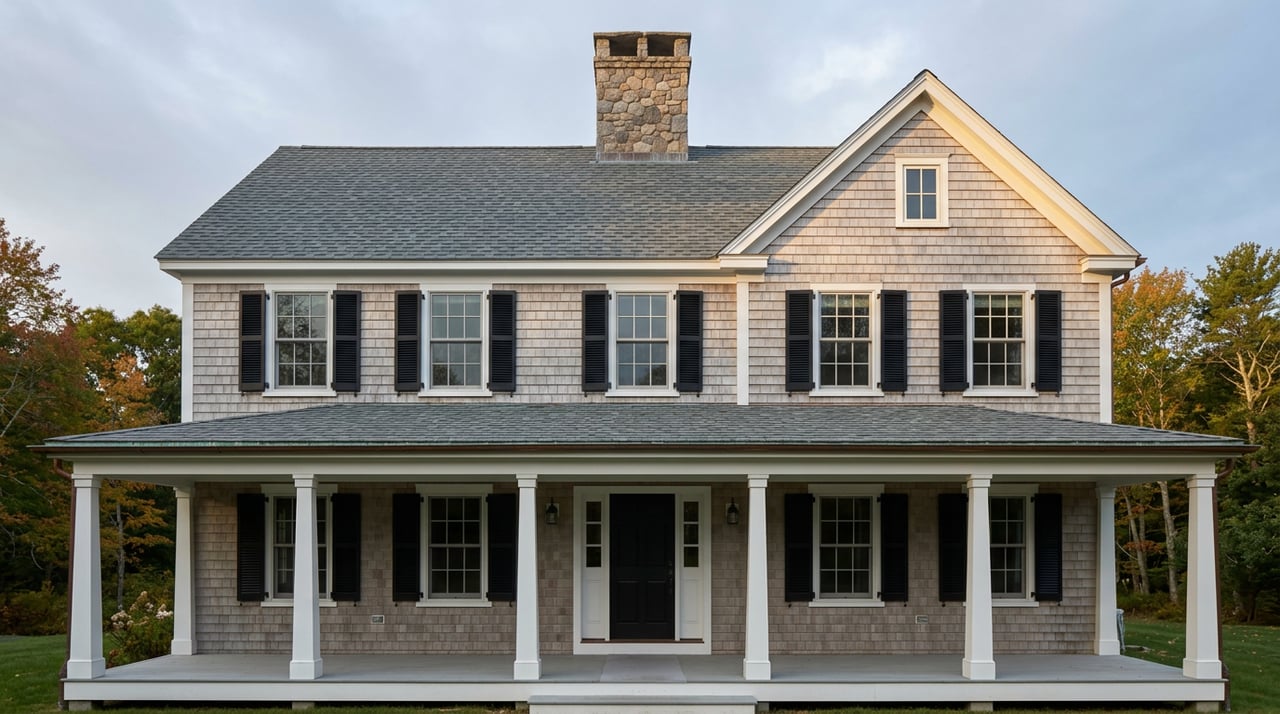
Single-family homes make up 83% of Bedford’s housing stock, including 73% detached and 10% attached. That means detached homes are by far the most common choice, while smaller attached or condo-style options exist but are less common.
The town’s zoning bylaw also reflects that pattern. Bedford now includes a Depot Area Mixed Use Overlay District and a Multifamily Housing Overlay District with subdistricts in the Loomis and Depot corridor and Shawsheen area, so more compact housing is being concentrated in selected corridors rather than around a transit station.
What Budget Should You Expect
Bedford is a high-priced, low-inventory market. The Massachusetts Association of Realtors reported a year-to-date single-family median sales price of $1,027,500 through April 2026, with only 11 homes for sale and 1.4 months of supply.
Other spring 2026 market readings land in a similar range. Redfin reported a median sale price of $1.1 million for the three months ending May 2026, Zillow reported an average home value of $1,054,355 as of May 31, 2026, and Realtor.com reported a 01730 median listing price around $1.127 million in early 2026.
For buyers, the takeaway is simple: if Bedford is on your shortlist, prepare for limited inventory and prices that cluster around the $1.0 million to $1.1 million range for a typical median-priced home.
How to Decide if Bedford Fits You
Bedford may be a strong fit if you want a commuter base that balances road access, bike infrastructure, and proximity to major work centers. It can also make sense if you are looking for a town where single-family housing remains the dominant format.
It may be less ideal if your top priority is living in a town with a rail or subway station inside town limits. In that case, Bedford’s commute pattern may feel too car- or bike-dependent.
A simple way to think about it is this:
- Choose Bedford for Cambridge work if you are comfortable using the Minuteman Bikeway, Alewife connections, or shuttle options.
- Choose Bedford for Burlington work if you want practical road access and potential shuttle support.
- Focus on Depot and Town Center if bike access and a more connected daily routine matter most.
- Explore corridor and overlay areas if you want alternatives to the classic detached-home pattern.
Relocating is never just about mileage. It is about how your mornings, evenings, and weekends will actually feel once you live there.
If you are comparing Bedford with other Middlesex County towns, local guidance can help you narrow down the right area, home type, and commute pattern for your goals. When you are ready to talk through your move, connect with KC for thoughtful, local guidance on Bedford and nearby communities.
FAQs
Is Bedford, MA good for commuting to Cambridge?
- Yes, especially if you are comfortable using the Minuteman Bikeway to Alewife Station, along with subway, bus, or shuttle connections.
Is Bedford, MA a practical place to live for Burlington work?
- Yes, Bedford’s location near Routes 3 and 95/128 and access to local road corridors and shuttle networks can make it a practical Burlington base.
Does Bedford, MA have a train or subway station?
- No, Bedford does not have a commuter rail, subway, ferry, or bus station in town, so most commutes rely on driving, biking, shuttles, and nearby rail access.
What kind of homes are most common in Bedford, MA?
- Single-family homes are the most common, making up 83% of the housing stock, while attached and multifamily options are less common and concentrated in selected corridors.
What do Bedford, MA home prices look like in 2026?
- Spring 2026 market data shows typical median-priced homes in Bedford clustering around roughly $1.0 million to $1.1 million, with limited inventory.
Which Bedford, MA area is best for bikeway access?
- The Depot and Town Center area is the strongest fit for bikeway access because the Minuteman Bikeway ends at Depot Park and South Street.