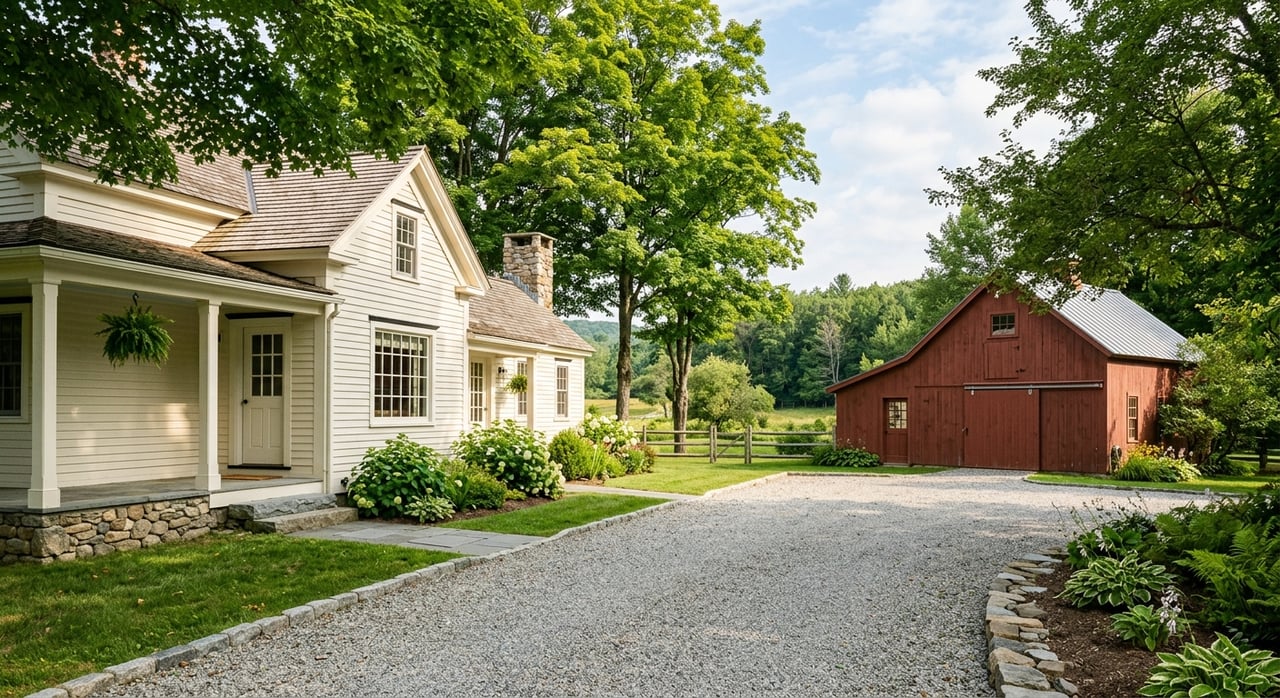
If you are getting ready to sell a country home in Harvard, the house is only part of the story. Buyers often react just as strongly to the driveway approach, stone walls, open space, and overall setting as they do to the floor plan. With the right preparation, you can present the full property with confidence, reduce last-minute surprises, and make your home feel polished from the first photo to the final showing. Let’s dive in.
Why Harvard country homes need a different prep plan
Harvard describes itself as a well-preserved rural community with historic farmhouses, orchards, winding roads, stone walls, and more than 2,000 acres of conservation land. The town also reports that 58% of Harvard is open space, and its planning goals emphasize preserving rural character.
That matters when you sell because buyers are not evaluating your home in isolation. They are taking in the land, the views, the tree lines, the condition of fences and outbuildings, and how the property feels the moment they arrive. In a market like Harvard, thoughtful preparation should support both the home and the landscape around it.
Start with records and required systems
Before you touch staging or photography, gather the paperwork tied to the property’s core systems. This step often saves time later because country homes can involve more buyer questions about water, septic, and maintenance history.
Focus first on documents for your well, septic system, pumping history, service contracts, and any water-treatment equipment. Having these items ready early can help keep due diligence moving instead of turning into a scramble near closing.
Well testing in Harvard
Harvard’s Board of Health states that most homes rely on private wells, and it recommends sampling private well water in anticipation of a home sale. The town’s private-well sale rule, effective July 1, 2025, requires all drinking-water wells on property being sold to be sampled.
Under that rule, results must be submitted to the Board of Health at least 30 days before transfer, and results stay valid for 24 months. If the water does not meet standards, retesting is required at the time of sale. Starting early is the smart move.
Septic inspection timing
For septic systems, Harvard notes that Title 5 requires an inspection when a property is transferred. MassDEP states that a septic inspection is generally required within two years before a sale, with a possible six-month post-closing window if weather prevents inspection and written notice is given by the seller.
If you have not reviewed your septic records recently, now is the time. Pull your last inspection report, find pumping receipts, and note any past repairs or maintenance so you can answer buyer questions clearly.
Clean up around wells and equipment
The Board of Health also notes that hazardous materials should not be stored near a well and that the area should be graded to prevent ponding. That makes cleanup around the well head, pump equipment, and nearby utility areas more than a cosmetic project.
A tidy, accessible setup signals good stewardship. It also helps your property show as well maintained, which is especially important when buyers know they are evaluating private systems rather than town utilities.
Improve the arrival experience
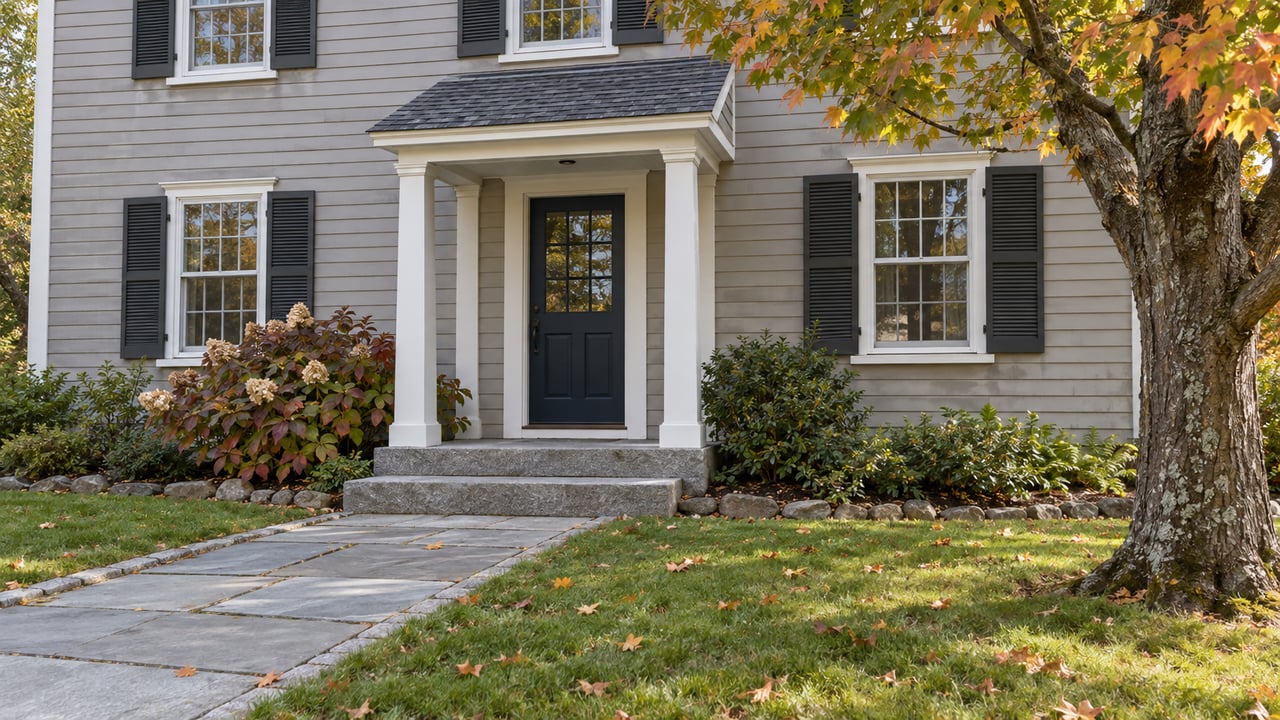
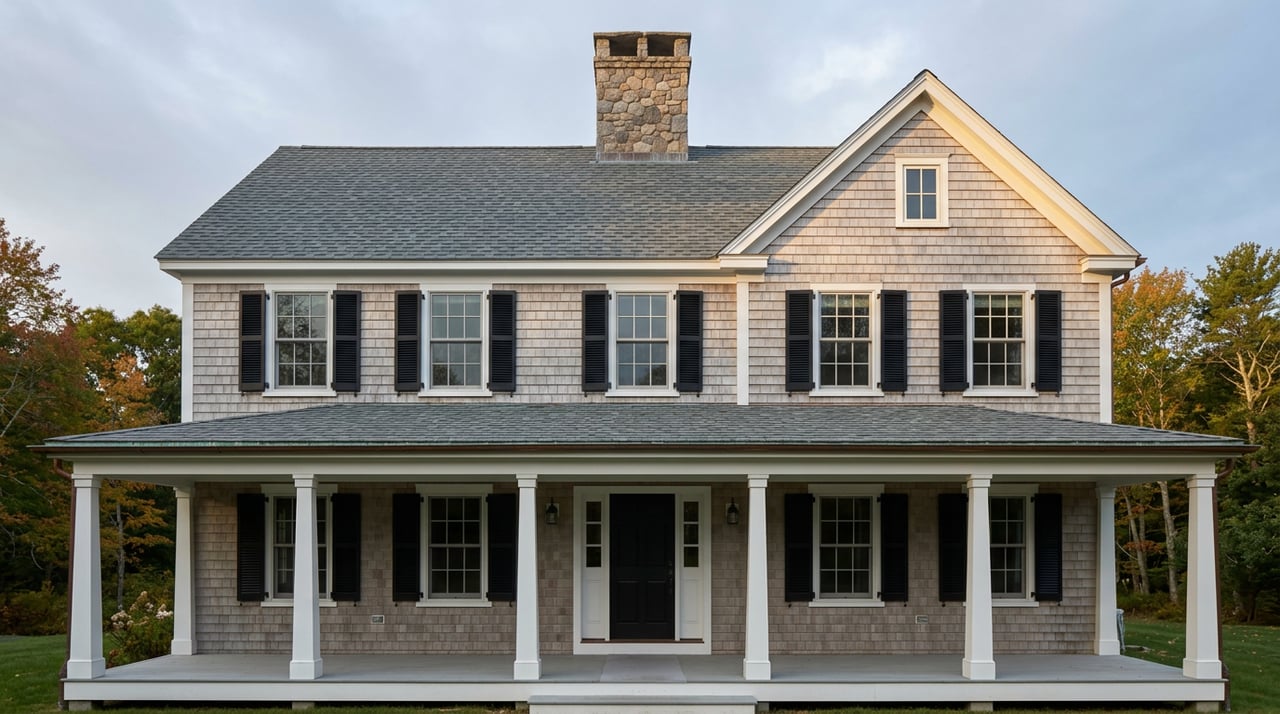
In Harvard, curb appeal starts long before a buyer reaches the front door. Scenic roads, shade trees, stone walls, and viewsheds are part of the town’s broader land-use framework, so the first impression of your property should feel intentional and cared for.
Start with the driveway and entry sequence. Clear overgrowth, remove leaf litter, mow edges, and make sure paths are easy to follow.
Exterior prep priorities
A few focused updates can make a big difference:
- Clear and define the driveway approach
- Improve mailbox visibility and condition
- Make house numbers easy to see from the road
- Trim back growth that blocks paths or views
- Tidy lawn edges and remove storm debris
- Straighten or repair fences and gates where needed
- Clean up the area around sheds, barns, and other outbuildings
The goal is not to make the property look overly formal. It is to help buyers feel that the land is manageable, usable, and well cared for.
Be careful near wetlands and protected areas
If your property includes or borders wetlands, floodplains, banks, riverfront areas, vernal pools, or surface water, be cautious about cleanup and landscaping work. Harvard’s Conservation Commission issues permits for work in those areas and administers both the Wetland Protection Act and the town’s local wetland bylaw.
That means even practical-looking exterior work may need review depending on the location. If you are unsure, it is wise to confirm requirements before starting major clearing or changes near sensitive areas.
Plan debris removal early
If winter storms or seasonal cleanup have left you with brush or woody debris, do not assume you can burn it right before listing. Harvard’s open-burning season runs from January 15 through May 1, requires a permit from the Harvard Fire Department, and can still be denied depending on weather conditions.
You may also need to plan disposal through the Harvard Transfer Station, which handles waste, recycling, and hard-to-recycle materials as a CHaRM site. The town requires official Harvard trash bags and a transfer-station sticker, so advance planning matters here too.
Prepare barns, sheds, and outbuildings
For many country properties, outbuildings add value only when they feel useful and maintained. If a barn, shed, or detached structure is filled with forgotten tools, stacked boxes, or aging materials, buyers may see work instead of opportunity.
Clear out what you no longer need, sweep floors, improve lighting where possible, and create obvious zones for storage or use. Even simple steps can help these spaces read as assets rather than question marks.
If an outbuilding supports a well system, equipment, or utility access, make that area neat and accessible. Buyers appreciate seeing that practical spaces have been cared for, not hidden away.
Stage the interior for country living
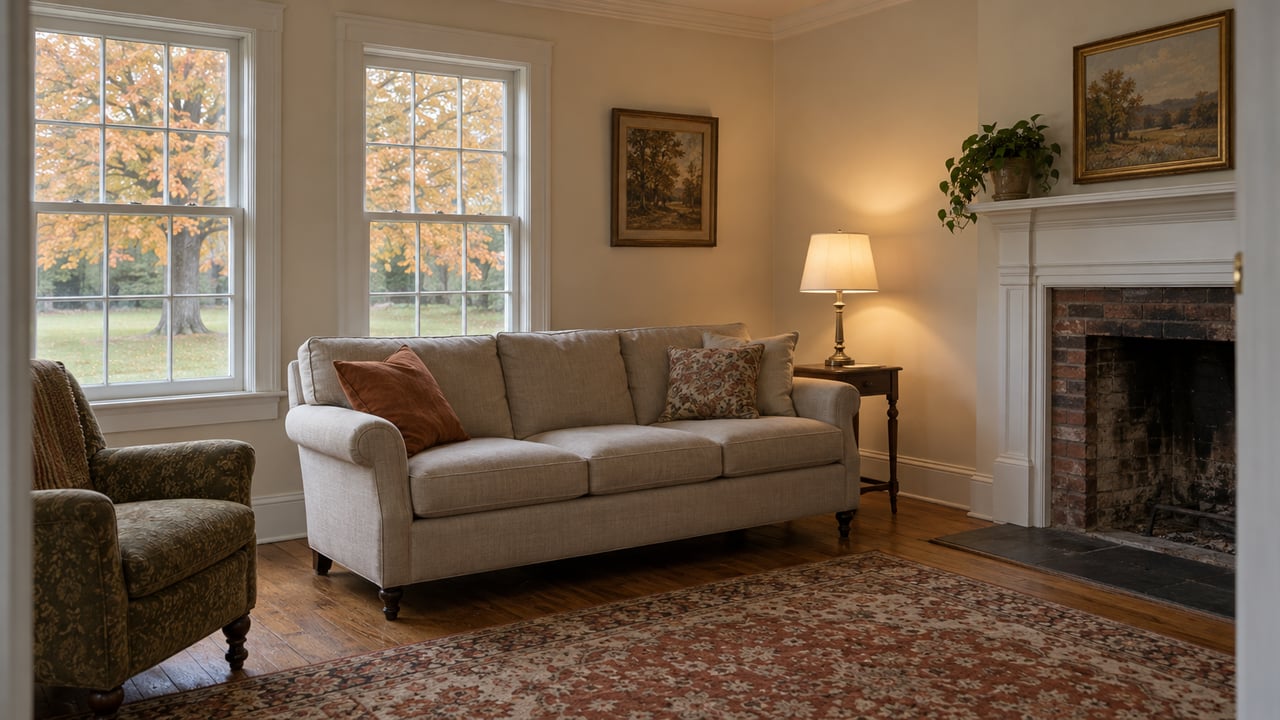
Inside the home, country-home staging should make spaces feel bright, calm, and flexible. The goal is not to erase character. It is to help buyers understand how the home supports everyday life in a rural setting.
That often means reducing oversized furniture, removing visual clutter, and making each room feel easy to use. Mudrooms, porches, bonus rooms, and storage areas deserve special attention because they often carry more weight in a country property than they do in a more compact suburban home.
Rooms to focus on first
Prioritize the spaces buyers are most likely to read for function:
- Entry areas and mudrooms
- Kitchens with everyday work zones
- Family rooms and gathering spaces
- Porches and sunrooms
- Bonus rooms or flexible-use rooms
- Basement or utility-adjacent storage spaces
When these areas are clean, light, and clearly defined, buyers can picture daily routines more easily. That helps the whole property feel more livable.
Handle Massachusetts compliance before showings
A beautiful home presentation works best when the practical pieces are already in motion. For many older and country-style homes, handling compliance items before photography and showings helps the sale feel more turnkey.
Massachusetts requires sellers or agents to provide a separate written disclosure confirming the buyer’s right to a home inspection before the first purchase contract is signed. If your home was built before 1978, sellers and agents must also provide the Property Transfer Lead Paint Notification before the purchase and sale agreement, along with any known lead-related documents.
When selling or transferring a home, Massachusetts also requires a certificate of compliance showing that smoke and carbon monoxide alarms meet state requirements. If you are preparing an older farmhouse for market, it is wise to get ahead of this step instead of leaving it until the last minute.
If exterior painting is needed
Be thoughtful if prep work includes scraping, sanding, or repainting an older exterior. Massachusetts requires lead-safe renovation practices if work disturbs more than 20 square feet of painted exterior surface on a pre-1978 home.
In that case, the work must be done by a lead-safe renovation contractor. This is one more reason to begin prep early rather than stacking every project into the final weeks before launch.
Follow a smart order of operations
One of the easiest ways to reduce stress is to prepare the property in the right sequence. For a Harvard country home, the most effective order is usually practical first, visual second.
Start with records and required testing. Then move outside to the land, driveway, and outbuildings. After that, stage the interior and finish with a final safety and compliance review before photography.
A simple prep checklist
Use this order as your guide:
- Gather well, septic, and maintenance records
- Confirm needed testing and inspection timelines
- Clean up around the well, septic, and utility areas
- Tidy the driveway, entry sequence, and landscape edges
- Organize barns, sheds, and outbuildings
- Declutter and stage the interior
- Complete smoke and carbon monoxide compliance steps
- Prepare any required disclosure documents before listing goes live
This sequence supports both presentation and process. It also helps you avoid spending money on cosmetic work before the key systems and documents are under control.
Why presentation matters in Harvard
In a town known for open space, winding roads, and historic rural character, buyers notice whether a property feels cohesive. They are not just asking whether the home is attractive. They are asking whether the whole property feels cared for, functional, and ready for its next chapter.
That is where thoughtful planning makes a real difference. When the setting is clear, the systems are documented, and the home is professionally presented, buyers can focus on the opportunity instead of the unknowns.
If you are preparing a country home in Harvard for the market, the process does not need to feel overwhelming. With the right strategy, clear sequencing, and polished presentation, you can bring out the best in both the house and the land. If you want expert guidance on staging, preparation, and a tailored listing plan, connect with KC to request a complimentary home valuation.
FAQs
What should sellers do first when preparing a country home in Harvard for sale?
- Start by gathering well records, septic documents, pumping receipts, service history, and any treatment-system paperwork before moving on to staging or photography.
What are the private well requirements for selling a home in Harvard?
- Effective July 1, 2025, Harvard requires drinking-water wells on property being sold to be sampled, with results submitted to the Board of Health at least 30 days before transfer.
Does a septic system need inspection before selling a Harvard home?
- Yes. Harvard states that Title 5 requires septic inspection upon transfer, and MassDEP says the inspection is generally required within two years before the sale, with limited weather-related exceptions.
How should sellers improve curb appeal for a Harvard country property?
- Focus on the full arrival experience by clearing the driveway, making house numbers visible, mowing edges, removing debris, defining paths, and tidying outbuildings and fences.
Are there restrictions on cleanup near wetlands in Harvard?
- Yes. Work near wetlands, floodplains, banks, riverfront areas, vernal pools, or surface water may require review or permits from Harvard’s Conservation Commission.
What Massachusetts compliance items matter before listing an older Harvard farmhouse?
- Key items may include the buyer home-inspection disclosure, lead paint notification for pre-1978 homes, and a smoke and carbon monoxide alarm certificate of compliance.