If you already know Winchester is the right town, the harder question is usually where and what kind of home will fit your daily life best. In a built-out, competitive market, small differences in location can shape your commute, parking routine, walkability, and even how a house feels day to day. This guide will help you compare Winchester home styles and location tradeoffs so you can narrow your search with more confidence. Let’s dive in.
Why location matters in Winchester
Winchester sits about eight miles north of Boston and is now largely built out, which means many buyers are choosing between established pockets of town rather than brand-new areas. The town’s transportation materials describe commuting by train, bus, and car as a normal part of daily life, so your location can have a real effect on convenience.
The market also tends to be stable and competitive. Census QuickFacts shows an 81.7% owner-occupied rate, a median owner-occupied home value of $1,215,200 for 2020 through 2024, and 93.4% of residents living in the same home one year earlier. Current market reporting also places Winchester’s townwide median sale price at about $1.39 million, with homes selling in roughly 20 days.
That combination matters. When turnover is relatively low and pricing is strong, it helps to be very clear about which tradeoffs you are willing to make before you start touring homes.
Match your home style to your routine
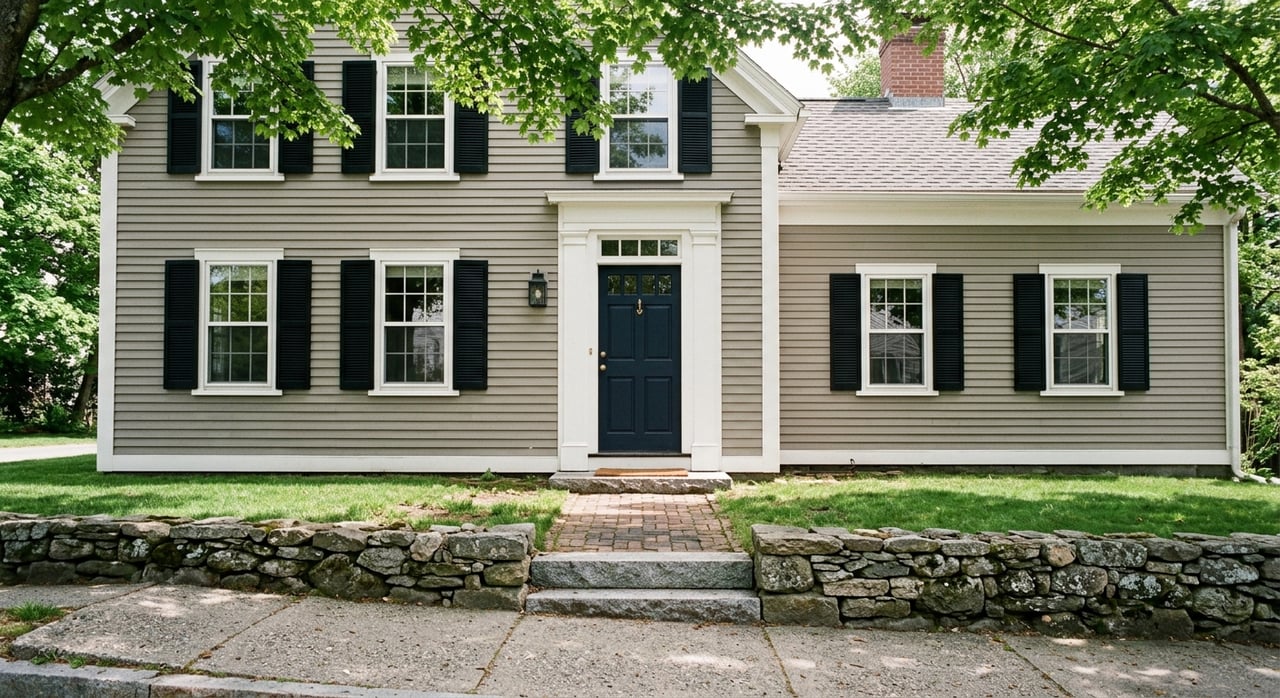
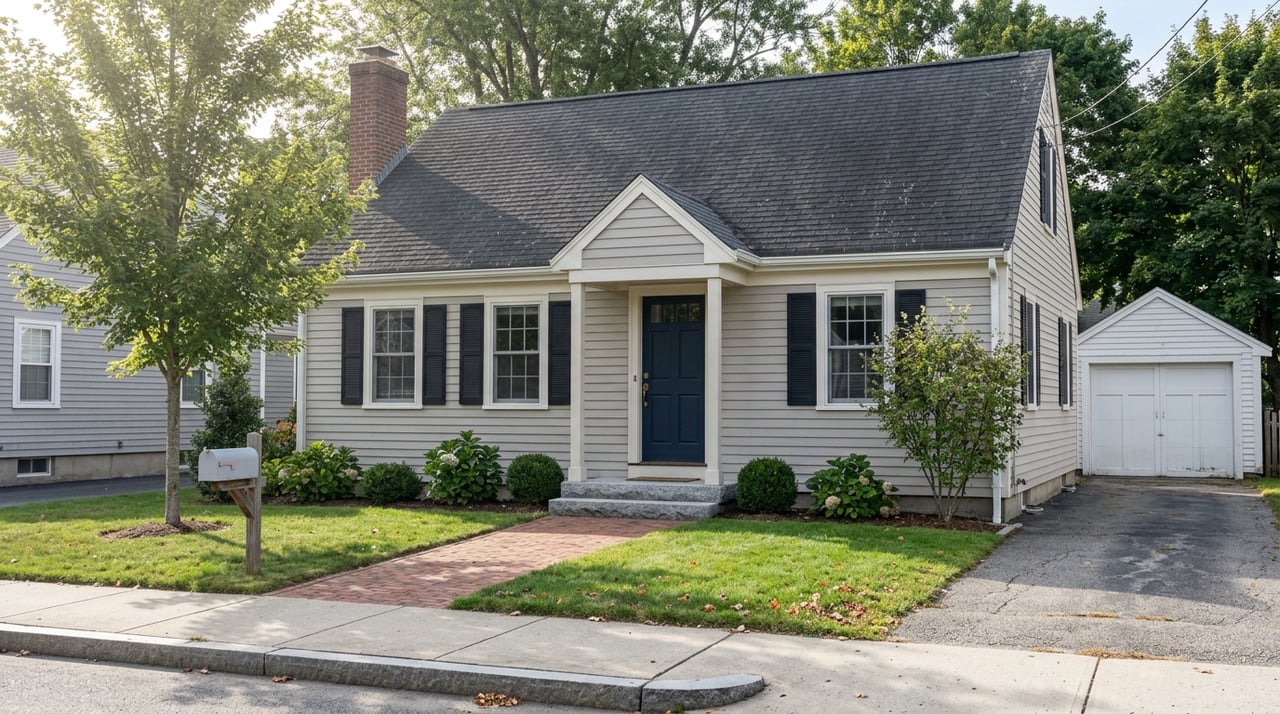
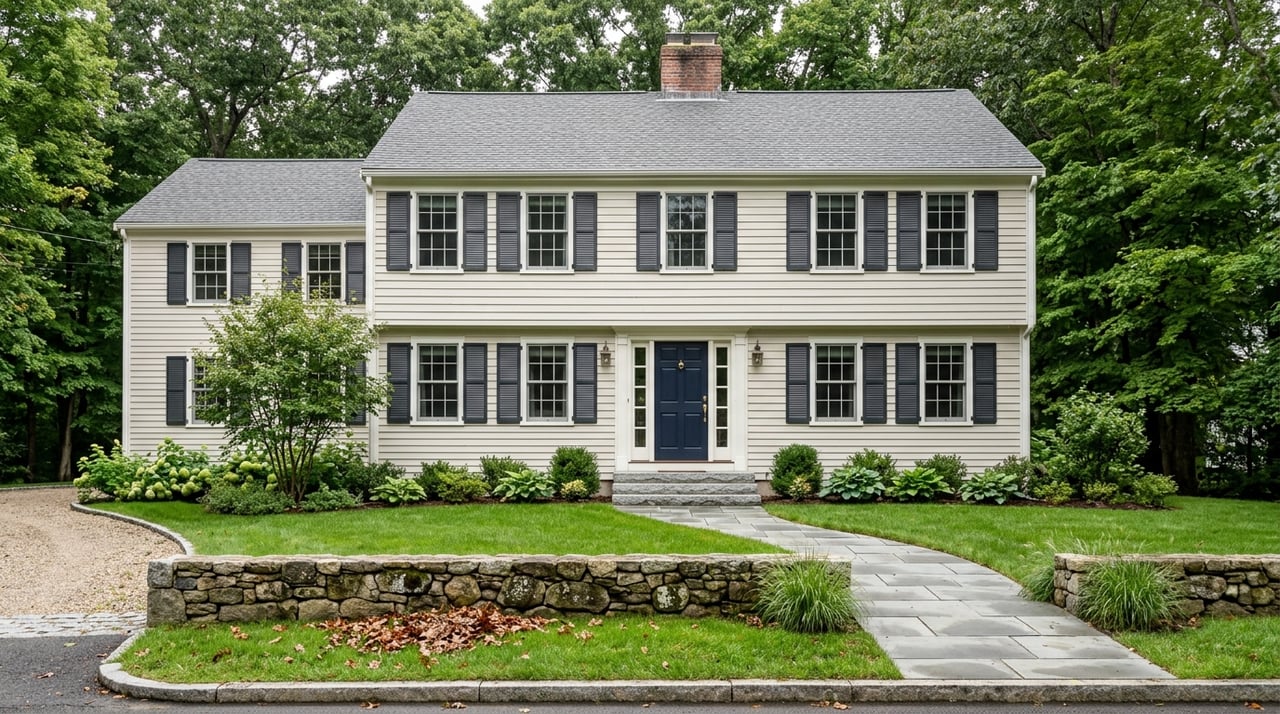
In Winchester, home style is often a clue to both era and setting. The town’s architectural history includes Colonial and Federal farm houses, factory worker housing, grand business-era homes, Depression-era affordable homes, post-World War II ranch houses, modern pattern-book houses, and condominiums.
You will also find Mansard, Queen Anne, Colonial Revival, and Shingle-Style homes throughout town. In practical terms, older homes are more often tied to center and rail-oriented areas, while later homes are more often found in less compact settings shaped by postwar development.
That does not mean one is better than the other. It means your ideal home style should line up with how you want to live.
If you want walkability
A more compact, older home near the center may be a strong fit if you value being close to shops, the train, and daily errands. These homes can offer charm and convenience, but often come with smaller lots and tighter parking.
If you want scenery and trails
Homes near Wedge Pond, Winter Pond, and the Middlesex Fells side of town may appeal if you want a more landscape-oriented setting. In these areas, the outdoor surroundings can be part of the lifestyle draw.
If you want a more suburban feel
Later homes in west-side and postwar hillside areas may be a better match if you prefer a quieter, more car-oriented setting. These locations often feel less compact than the center.
Town Center offers convenience first
Town Center is the compact heart of Winchester, and for many buyers it is the clearest choice for walkability. Town planning documents note limited parking, small lots, fragmented ownership, inadequate pedestrian circulation paths, and flooding as ongoing issues in this area.
That mix tells you a lot about the experience of living there. You may gain easier access to the station and downtown services, but you may also need to be comfortable with closer lot lines and more parking constraints.
Town history materials also describe mid-19th-century homes around the center built for businessmen and professionals. If you are drawn to older architecture and a traditional town-center setting, this area may stand out.
Current market reporting places the median sale price in Winchester Town Center at about $1,074,639. Compared with other parts of town, that can make the center an important option for buyers prioritizing location and access.
What to watch in Town Center
- Parking rules near the center and stations
- Smaller lots and tighter spacing between homes
- Pedestrian circulation and street layout
- Flood-related due diligence on specific properties
Wedgemere blends access and scenery
Wedgemere connects rail access with water views and older residential development. The town notes that the name grew from the Wedge Pond area, that the former Mystic station was renamed Wedgemere, and that Wedge Pond plus the Winter Ponds helped shape scenic residential development.
For many buyers, this area offers a compelling mix of commuter convenience and natural setting. Wedge Pond also has a swimming beach, and the Middlesex Fells abuts Winchester to the east, where the town’s three reservoirs are located.
That appeal often shows up in pricing. Current market reporting places the median sale price in Wedgemere at about $1,849,313, notably above the townwide median.
What to watch in Wedgemere
This area deserves careful property-level diligence. Winchester’s flood information says the most significant surface-water flooding source is the Aberjona River and Horn Pond Brook, and flooding may also occur along Wedge Pond, Winter Pond, and Upper Mystic Lake.
The town also notes that any property can be susceptible to basement flooding from groundwater. If you are considering a home near ponds, water features, or lower-lying land, it is smart to verify flood maps, drainage history, and basement conditions before making an offer.
Parking is another factor. The town’s parking pages show pay-by-space parking at Wedgemere station, and the transportation report says spillover parking on nearby streets has been an issue.
West of Cambridge Street feels more suburban
Cambridge Street acts as an important dividing line in Winchester’s circulation report. The town describes areas west of Cambridge Street as more car-oriented, and notes that streets without sidewalks tend to be in developments built after the mid-1950s and on private roads in that area.
Town history adds that the west side hills were broken up and converted into house lots after World War II. Together, those details suggest a later development pattern and a less compact feel than downtown-oriented parts of Winchester.
If you want a more traditional suburban setup, this part of town may deserve a closer look. It can be especially relevant if your priorities include a later-era home style, a hillier setting, or some separation from the center’s parking and density pressures.
Use home style as a clue
When you tour homes in Winchester, style can tell you more than just what looks appealing in photos. It can also hint at lot size, street pattern, likely walkability, and the type of updates a home may need.
Older center and rail-area homes may offer architectural detail and location convenience, but they can also come with more compact footprints or older systems. Postwar homes may offer a different layout and setting, often in areas that feel more car-dependent.
This is where local context matters. A beautiful house can still be the wrong fit if the surrounding area does not match your daily routine.
Questions to ask as you compare homes
- How often will you use the train, bus, or car?
- Do you want to walk to shops or errands regularly?
- Are you comfortable with smaller lots or tighter parking?
- Would you rather have trail access or a more central location?
- Are you open to an older home, or do you prefer a later-era layout?
- Does the property need extra review for flooding or basement drainage?
Verify age and history before you buy
If you are considering an older Winchester home, the town’s House History resources can be very useful. The town notes that it kept an inventory of pre-1917 structures, and each property record shows the construction date, style, and first owner.
That can help you better understand what you are buying, especially if age, architectural character, or renovation potential are important to you. It can also add context when a home appears to have evolved over time.
For buyers who love historic homes, this kind of background can be more than interesting. It can help you ask sharper questions and make a more informed decision.
A simple way to narrow your search
If Winchester is your target town, try narrowing your search by daily lifestyle first and price second. That may sound backwards in a competitive market, but it often leads to better decisions.
Start by identifying which of these descriptions sounds most like you:
- Walk-to-train buyer: focus on Town Center and the Winchester Center or Wedgemere corridor
- Scenery and trail buyer: focus on the Wedge Pond and Middlesex Fells side of town
- More suburban buyer: focus on areas west of Cambridge Street and postwar hillside neighborhoods
Then compare that lifestyle fit against your budget. With current median pricing ranging from about $1.07 million in Town Center to about $1.85 million in Wedgemere, location and setting can move pricing dramatically.
The right choice is rarely just about the prettiest home. It is about finding the part of Winchester that supports the way you want to live.
If you are weighing Winchester against nearby Middlesex County suburbs, or trying to decide which pocket of town makes the most sense, a local perspective can save time and reduce second-guessing. The Wins Team brings that kind of practical guidance to every search, helping you look beyond the listing photos and focus on fit, value, and long-term comfort. When you’re ready to talk through your goals, connect with KC.
FAQs
What is the most walkable area for homebuyers in Winchester?
- Town Center and the Winchester Center or Wedgemere corridor are typically the most convenient for walking to shops and train access, based on the town’s compact downtown layout and transportation planning documents.
What should buyers know about flooding in Winchester?
- Buyers should verify flood maps, basement drainage, and property-specific water history, especially near the Aberjona River, Horn Pond Brook, Wedge Pond, Winter Pond, and Upper Mystic Lake.
What kind of homes are common in Winchester, Massachusetts?
- Winchester includes a wide range of home styles, including Colonial, Federal, Queen Anne, Colonial Revival, Shingle-Style, postwar ranch homes, modern pattern-book houses, and condominiums.
What does living west of Cambridge Street in Winchester feel like?
- Areas west of Cambridge Street generally reflect a more car-oriented, later-developed pattern with a less compact feel than the town center.
How can buyers research the age of a Winchester home?
- Winchester’s House History resources can help buyers verify the construction date, style, and first owner of many pre-1917 structures.
How competitive is the Winchester housing market?
- Current market reporting describes Winchester as very competitive, with a townwide median sale price of about $1.39 million and homes selling in around 20 days.